Art is not just something we hang on a wall. When I look at art culture and society, I see a living record of what people believe, fear, celebrate, question, and protect. A painting, mural, sculpture, song, film, or digital artwork can reveal what a society values more clearly than a textbook.
Culture gives art its meaning. Society gives it a place to live. Art turns both into something we can see, feel, and remember. That is why art culture and society are deeply connected.
What Art Culture and Society Really Mean
Culture is the shared set of customs, beliefs, language, knowledge, food, rituals, and values that shape a group of people. Art is the creative expression of human emotion, imagination, skill, and cultural meaning. Society is the organized community where people live, work, debate, and build shared systems.
Together, these three create a constant exchange. Culture influences what artists create. Society decides how people respond to that art. Art then reflects, questions, or changes the culture around it.
Culture Gives Art Its Symbols
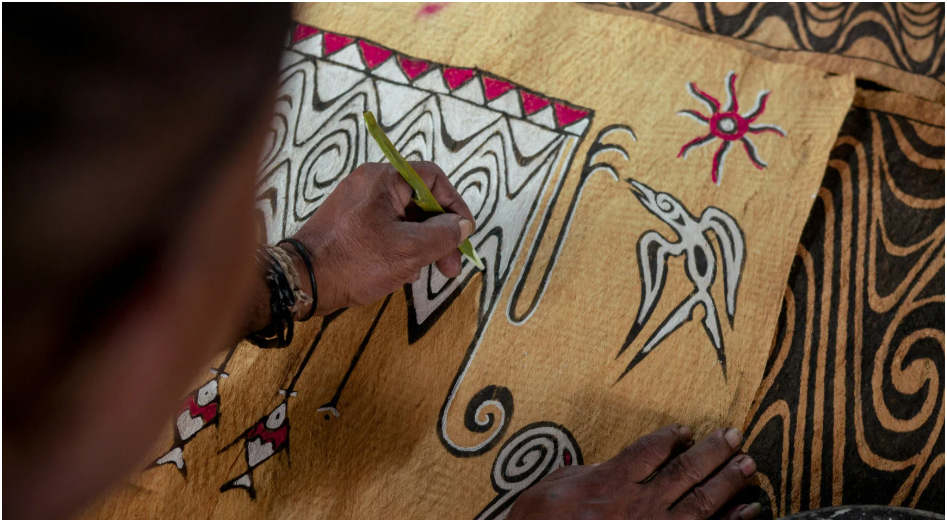
Every culture has symbols that carry meaning. Colors, patterns, clothing, gestures, materials, and subjects can all say something. A traditional textile may represent ancestry. A mural may represent resistance. A religious painting may show faith, power, and identity.
This is why the phrase how art reflects culture in the world matters. Art reflects culture through details. It shows what people eat, wear, worship, fear, admire, and pass down.
Society Gives Art Its Voice
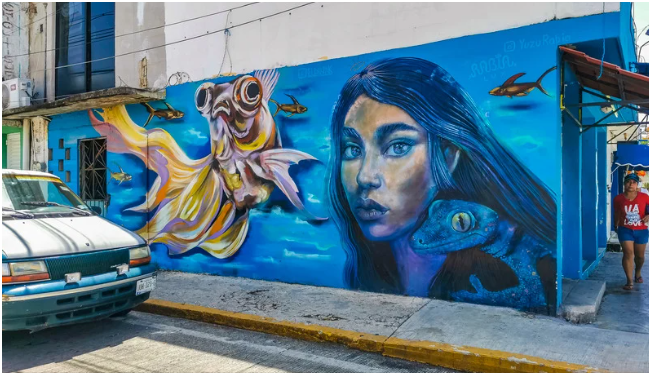
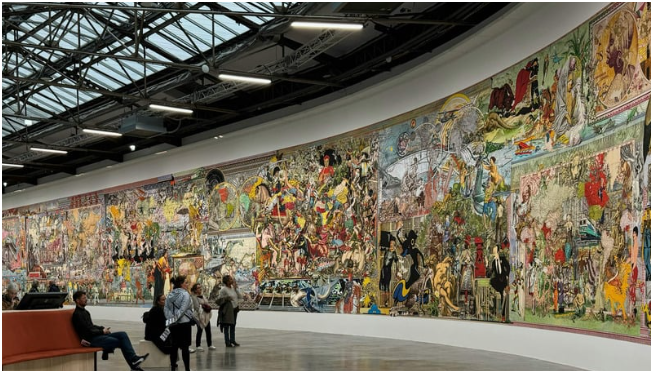
Art becomes stronger when society interacts with it. A song becomes powerful when a crowd sings it. A public mural becomes memory when a neighborhood protects it. A museum exhibit becomes debate when people question what is included and what is ignored.
That is where art moves beyond beauty. It becomes part of public life.
Art as a Mirror of Human Values
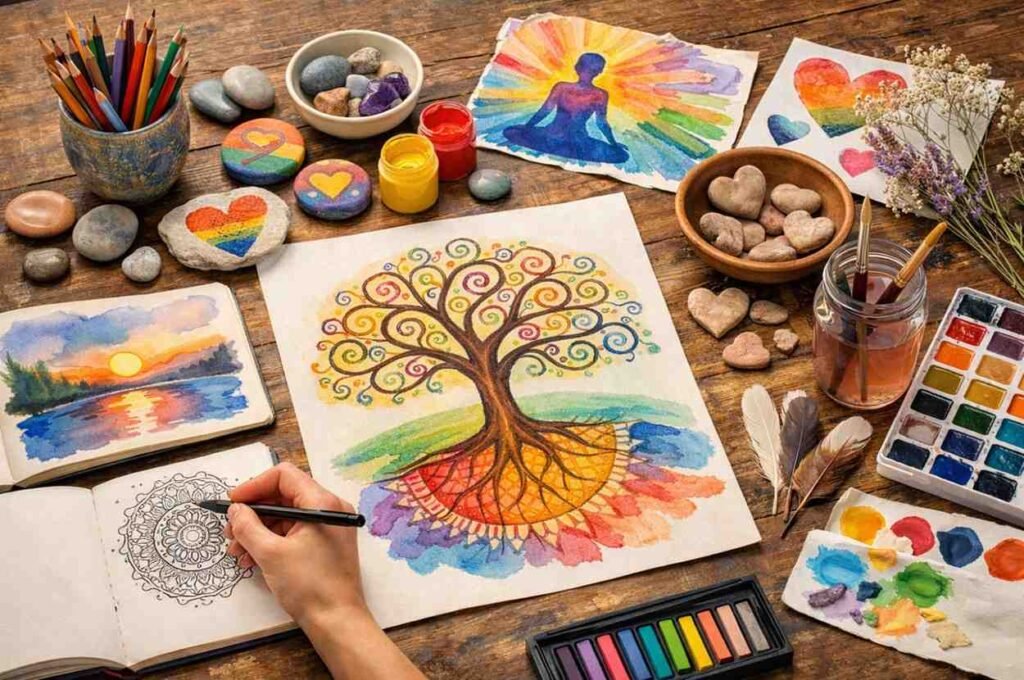
Art often shows what a society cared about at a specific point in history. Traditional Indian regional art forms like Madhubani and Warli paintings preserve local lifestyles, spiritual beliefs, nature, festivals, and community identity. These works are not only decorative. They are cultural records.
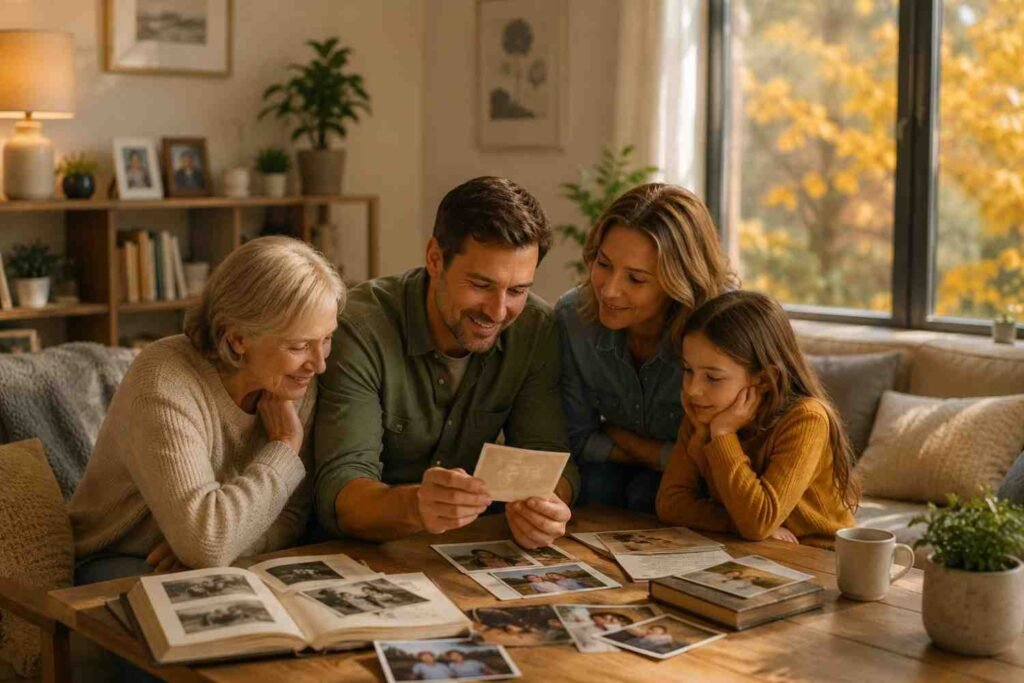
The same pattern appears in pottery, quilts, folk songs, masks, carvings, architecture, and performance traditions around the world. They help future generations understand how people lived before digital media became dominant.
Museums and digital archives now help preserve these works. Platforms such as Google Arts & Culture make many cultural collections easier to access globally. This does not replace the original artwork, but it helps more people study and appreciate it.
How the Renaissanc Art Movement Changed Culture
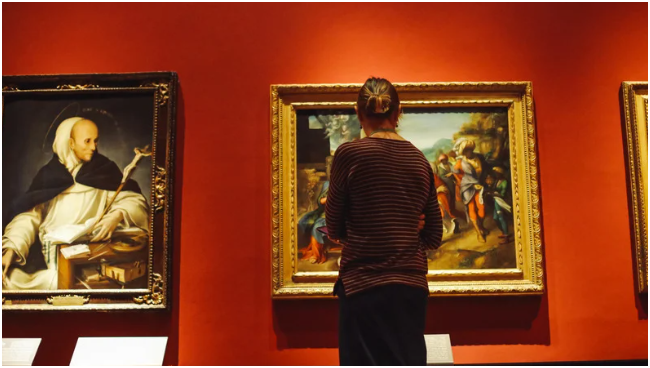
The Renaissanc art movement changed how Europe viewed art, science, beauty, religion, and human ability. The correct spelling is “Renaissance,” but I am using the given keyword naturally here.
The movement began in Italy, especially Florence, from around the 1400s to the 1600s. It marked a shift from flat medieval symbolism toward realism, balance, proportion, and human-centered thinking.
Humanism Changed the Artist’s Role
Humanism placed human intelligence, emotion, and potential at the center of culture. Renaissance artists still painted religious subjects, but they gave people more realistic bodies, expressions, and movement.
Artists such as Leonardo da Vinci, Michelangelo, Raphael, Donatello, and Botticelli were no longer seen only as craftsmen. They became respected thinkers and cultural figures.
Technique Became Cultural Progress
Renaissance artists used linear perspective to create depth. They used chiaroscuro to show light and shadow. Leonardo mastered sfumato for soft, smoky transitions. Artists also studied anatomy to understand muscles, bones, and movement.
These techniques were more than artistic upgrades. They reflected a society becoming more interested in science, observation, measurement, and human experience.
How Art Pushes Society Forward
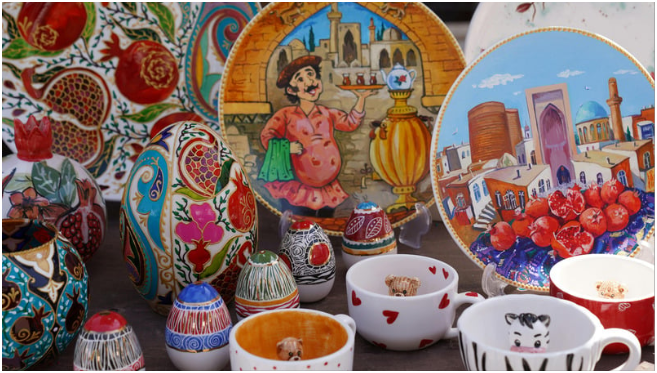
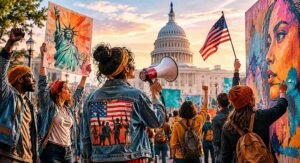
Art does not only reflect society. It also challenges it. Many powerful artworks expose injustice, inequality, censorship, war, racism, poverty, and exclusion.
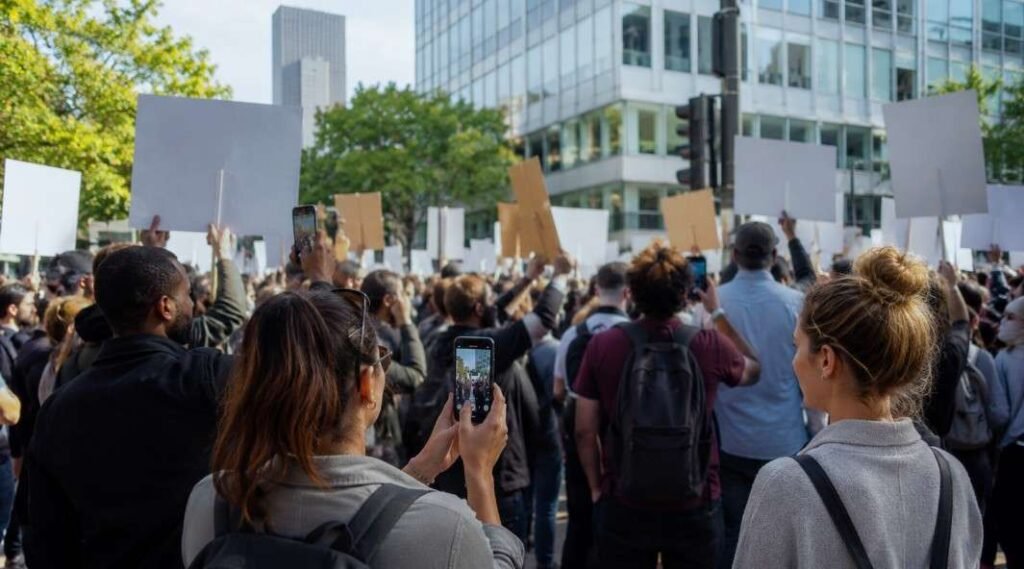
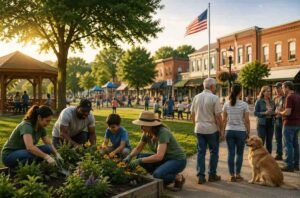
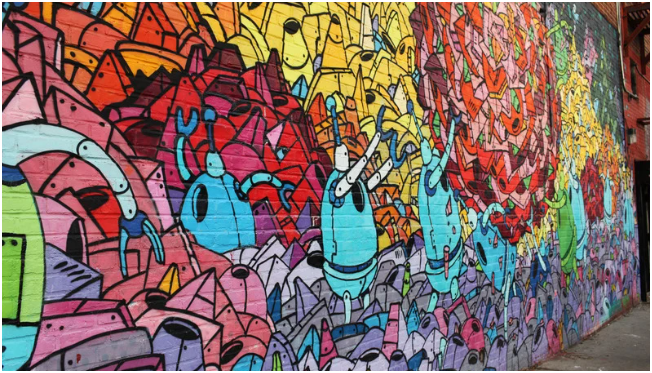
Public art is especially important here. Murals, posters, memorials, street performances, films, and installations can turn shared spaces into public conversations. They can make people stop, think, and feel something before they form an opinion.
Art also builds empathy. A painting about grief, a film about migration, or a poem about discrimination can make distant issues feel personal. That emotional connection is one reason art often supports social change.
The Impact of Digital Technology on Modern Art
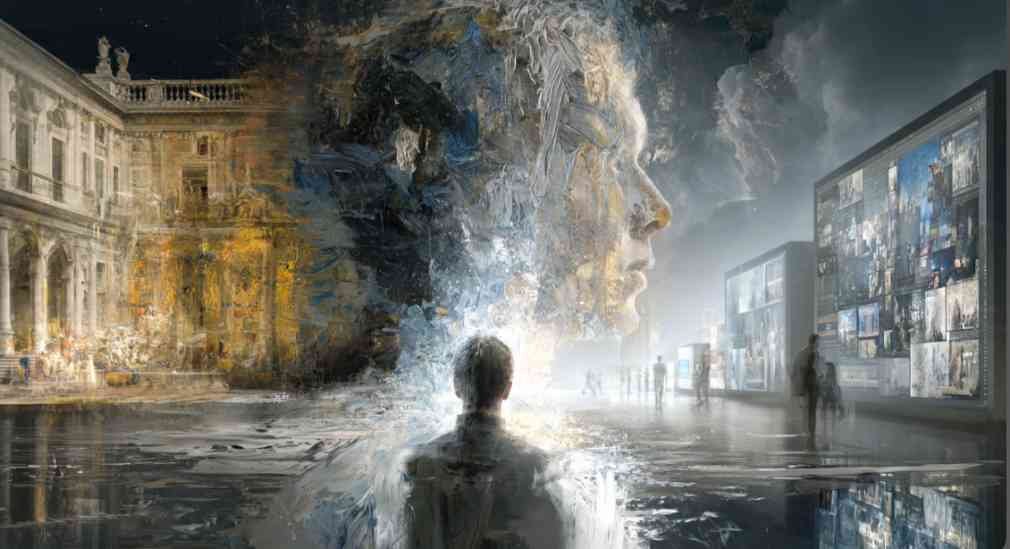
The impact of digital technology on modern art has been huge. Digital tools have changed how artists create, share, sell, and protect their work.
Before online platforms, many artists depended on galleries, critics, or collectors for exposure. Now they can use Instagram, ArtStation, Behance, personal websites, and online marketplaces to reach audiences directly.
Digital Tools Expanded Creativity
Programs like Procreate, Adobe Photoshop, Corel Painter, Blender, and Nomad Sculpt allow artists to sketch, edit, sculpt, animate, and experiment quickly. Artists can test ideas without wasting physical supplies.
VR and AR have also changed how people experience art. Viewers can now walk through virtual galleries or see digital work layered into physical spaces.
Blockchain, NFTs, and AI Changed the Debate
Blockchain and NFTs introduced new questions about ownership, uniqueness, and value in digital art. They allowed digital creators to sell files as collectible assets with traceable ownership.
AI has created a different challenge. As AI-generated visuals fill online spaces, many people now value visible human effort even more. Hand-drawn textures, imperfect brush marks, studio process videos, and hybrid physical-digital work feel more authentic.
This is the new authenticity economy. The more polished automated images become, the more human-made work stands out.
Why Art Matters in the U.S. Today
In the U.S., art is not only cultural. It is economic. Arts and cultural production contribute heavily to jobs, tourism, design, entertainment, museums, publishing, gaming, architecture, fashion, and digital media.
Art also matters in education. Music, theater, drawing, dance, and creative writing can improve observation, communication, confidence, and problem-solving. Students do not need to become professional artists to benefit from art. They learn how to interpret people, stories, and ideas.
This makes art culture and society more than an academic topic. It affects daily life, local economies, classrooms, neighborhoods, and national identity.
FAQs
1. What is the relationship between art culture and society?
Art culture and society are connected because art expresses cultural values, while society gives those values a public space. Art can preserve memory, question power, and inspire change.
2. How does art reflect culture?
Art reflects culture through symbols, stories, materials, clothing, rituals, beliefs, and everyday subjects. It shows what people value, fear, celebrate, and remember.
3. Why was the Renaissanc art movement important?
The Renaissanc art movement was important because it introduced realism, perspective, anatomy, balance, and humanism. It also raised the social status of artists.
Final Brushstroke: Look Closer, Not Faster
The next time you see a painting, mural, sculpture, film, or digital artwork, do not ask only, “Do I like it?” Ask what it reveals.
Who made it? What culture shaped it? What society needed it? What memory does it protect? What power does it question?
That simple habit changes how you see art culture and society. Art stops being decoration. It becomes evidence of human life.