
I once visited a small neighborhood market where nearly every shop owner spoke a mix of English and the language their parents grew up with. What stood out was not the language itself. It was the pride people carried while explaining family recipes, old customs, and stories connected to their businesses. None of it felt staged or performative. It felt like people were protecting something deeply personal while still adapting to modern life.
That experience made me realize that preserving cultural identity is not simply about holding onto traditions for sentimental reasons. It affects how communities heal, connect, grow economically, and maintain emotional stability during periods of rapid social change. Culture shapes the way people understand themselves and their place in the world. When communities lose that connection completely, the effects often reach far beyond tradition alone.
Cultural Identity Creates Emotional Stability
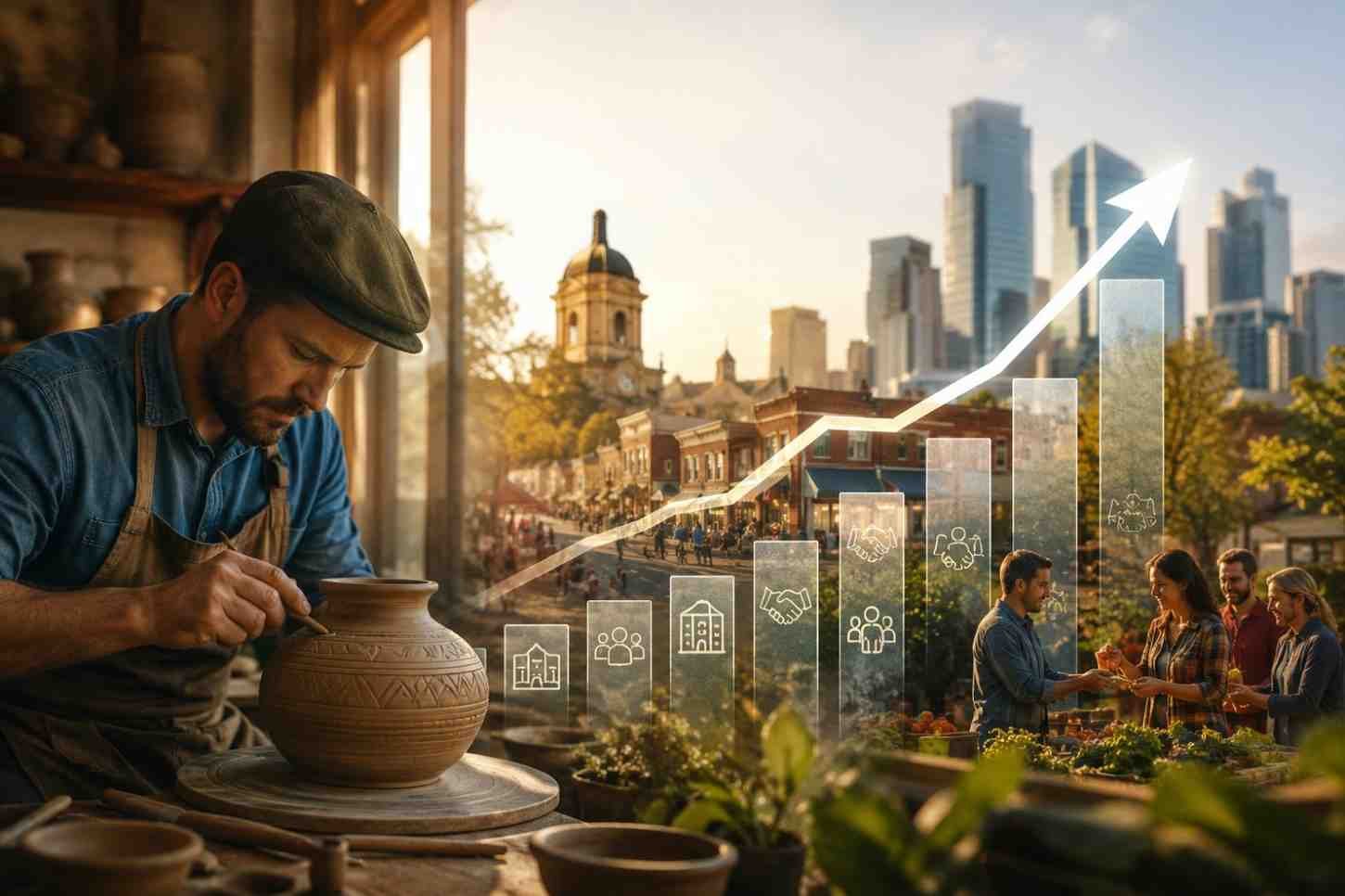
Modern life can feel disconnected and temporary. People move constantly, communities evolve quickly, and digital culture often replaces local interaction with endless online consumption. In that environment, cultural continuity becomes emotionally important.
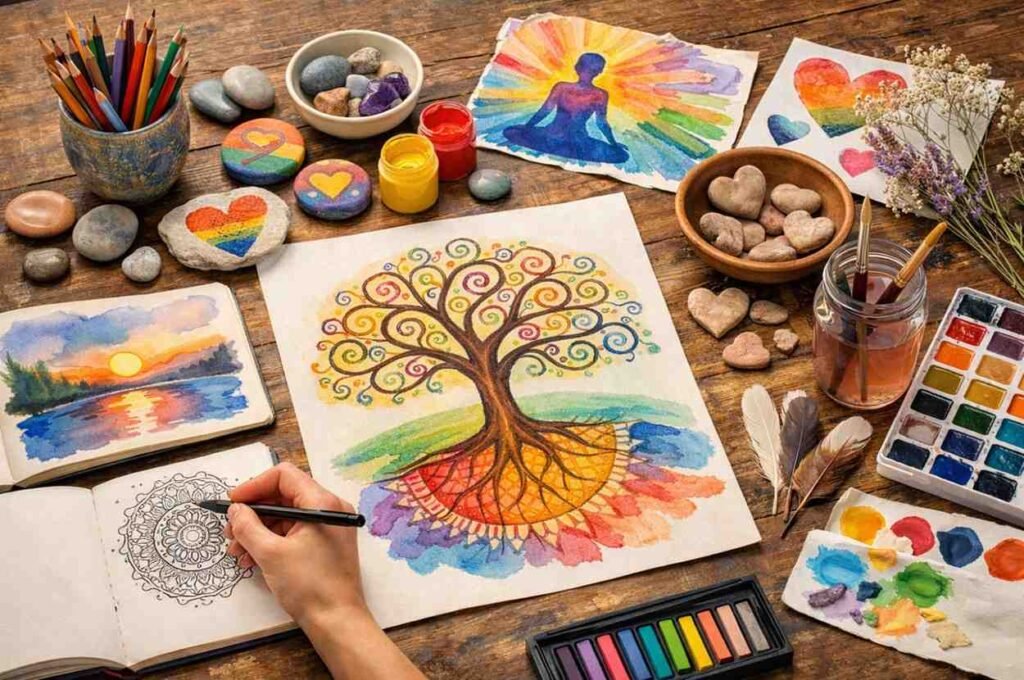
Knowing where you come from creates grounding. Family traditions, language, music, food, storytelling, and shared community practices help people develop a stronger sense of belonging and identity.
Why Cultural Continuity Matters
Research connected to cultural continuity and mental well-being shows that maintaining ancestral connections can positively support emotional resilience, especially among immigrant families and younger generations navigating identity shifts.
Culture also teaches survival. Stories about migration, hardship, rebuilding, and adaptation become informal blueprints for navigating modern challenges. Communities often carry generations of lived knowledge through traditions and storytelling practices.
That is one reason conversations around heritage conservation and community engagement continue growing across schools, cultural organizations, and local initiatives today.
Preserving Culture Supports Stronger Communities
Communities without shared identity often struggle to maintain trust and long-term connection. Cultural identity helps create social cohesion because it gives people shared emotional reference points.
People feel more connected when communities celebrate local history, cultural festivals, oral traditions, and neighborhood customs together.
This becomes especially valuable in diverse communities where multiple backgrounds coexist. Shared cultural exchange encourages empathy rather than division.
Cultural Exchange Encourages Understanding
When people openly share traditions, food, language, music, or family stories, communities become more humanized. Neighbors stop viewing one another as strangers and begin understanding the lived experiences behind different cultural backgrounds.
That process naturally supports tolerance and stronger relationships across communities. Many organizations focused on cultural heritage preservation and public history actively encourage storytelling and cultural participation because those activities strengthen civic trust and community belonging.
Conversations around social unity ideas often become far more meaningful when communities actually create spaces for cultural exchange rather than simply discussing inclusion in abstract terms.
Cultural Heritage Also Drives Economic Growth

People sometimes treat cultural preservation like a purely emotional or historical issue, but culture also creates economic opportunity.
Historic neighborhoods, local art traditions, architecture, food culture, and heritage festivals often become major drivers of local economies. Heritage tourism alone supports millions of jobs globally because travelers increasingly seek authentic cultural experiences rather than generic destinations.
Traditional Knowledge Still Influences Modern Industries
Modern industries constantly borrow from traditional practices and cultural heritage. Fashion designers draw inspiration from indigenous textiles. Restaurants preserve regional cooking traditions. Film, music, and art industries regularly reinterpret cultural history into modern creative work.
Communities that protect cultural identity often preserve unique local economies at the same time.
You can especially see this in:
- local craft markets
- family-owned restaurants
- historical districts
- cultural festivals
- artisan communities
- preservation-based tourism projects
Organizations like UNESCO continue emphasizing intangible cultural heritage because traditional knowledge and cultural practices still provide long-term educational, economic, and social value worldwide.
Indigenous Knowledge Still Matters Today
One area many people overlook is how much modern society continues to learn from indigenous and traditional knowledge systems.
For generations, many indigenous communities practiced forms of environmental stewardship that prioritized sustainability, balance, and long-term thinking. Today, researchers and environmental organizations increasingly study those approaches while discussing climate resilience and sustainable development.
Culture Functions as a Living Archive
Cultural knowledge often preserves:
- agricultural techniques
- ecological understanding
- oral history
- architectural methods
- craftsmanship
- medicinal traditions
- social structures
Much of that knowledge survived through storytelling and community practice long before formal institutions documented it.
That is why preserving culture is not only about memory. It is also about protecting knowledge systems that still carry practical value today.
Preserving Identity Helps Communities Heal
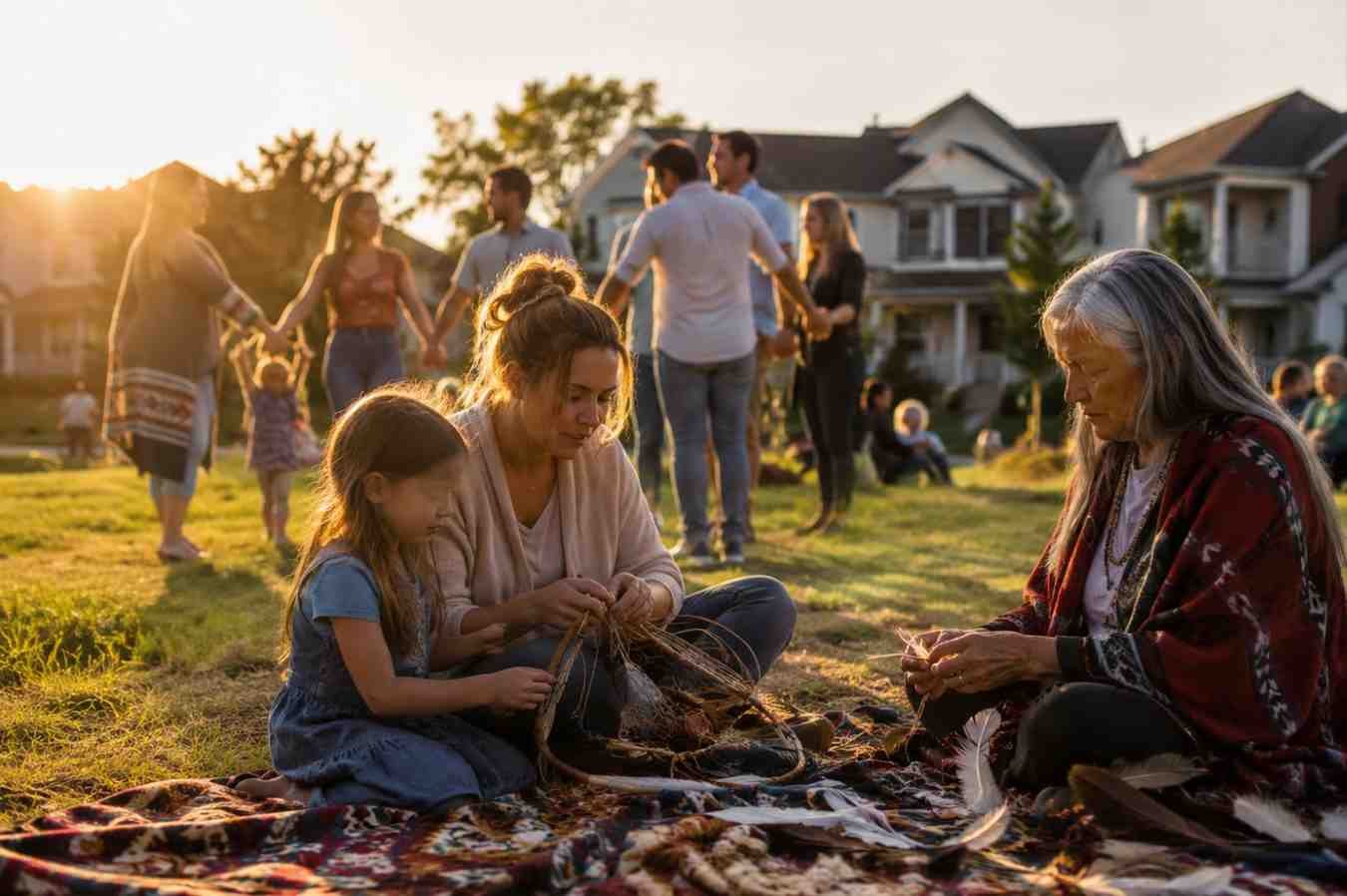
Communities experiencing social tension, displacement, discrimination, or historical trauma often rely heavily on cultural practices during recovery and rebuilding.
Shared traditions, storytelling, music, ceremonies, and public remembrance create emotional connection during difficult periods. They help communities process grief while rebuilding collective identity.
Collective Memory Creates Resilience
People often underestimate how healing shared memory can become during uncertain times. Cultural gatherings remind communities that they survived hardship before and can continue moving forward together.
Researchers connected to cultural psychology and social resilience frequently note that collective memory strengthens emotional adaptability because it reinforces continuity during periods of instability.
That emotional resilience explains why communities continue protecting traditions even while modernizing rapidly.
Younger Generations Are Reconnecting With Heritage
Contrary to popular assumptions, many younger people are actively reconnecting with family and cultural history.
You can see it through:
- oral history podcasts
- cultural cooking channels
- digital archives
- language revival communities
- genealogy projects
- local storytelling initiatives
What makes this shift interesting is that younger generations are not preserving culture exactly the same way older generations did. They are adapting traditions into digital spaces while still maintaining an emotional connection to heritage.
That balance between preservation and evolution may ultimately become one of the strongest ways culture survives in modern communities.
FAQs: Why Preserving Cultural Identity Is About More Than Tradition
1. Why is preserving cultural identity important?
Preserving cultural identity strengthens belonging, emotional resilience, shared community values, and intergenerational connection while protecting important traditions and knowledge.
2. How does culture affect mental well-being?
Cultural continuity gives people emotional grounding, identity, and connection to community history, which can support resilience during stressful or uncertain periods.
3. What is intangible cultural heritage?
Intangible cultural heritage includes traditions, oral storytelling, rituals, music, language, and practices passed down through generations rather than physical artifacts alone.
4. Can preserving cultural heritage support economic growth?
Yes. Heritage tourism, local arts, traditional crafts, and cultural industries often create jobs, strengthen local economies, and support community development.
Final Thoughts
Preserving cultural identity is ultimately about protecting continuity in a world that changes constantly. Culture carries emotional memory, historical knowledge, survival strategies, community values, and human connection across generations. When people protect language, traditions, stories, rituals, and local heritage, they are not simply preserving the past. They are protecting the emotional and social foundations that help communities remain resilient, connected, and meaningful over time.
Modern communities still need roots. Without them, progress can easily turn into disconnection rather than growth.