The first time I noticed a tiny human figure inside a vast Chinese landscape painting, I understood how art reflects culture in the world in a new way. Art does not only show beauty. It shows what people honor, fear, worship, remember, and protect.
When I look at art now, I do not ask only, “Is this beautiful?” I ask, “What kind of world made this?” That question turns a painting, mask, temple pattern, porcelain jar, or digital artwork into a cultural clue.
Why Art Works Like a Cultural Fingerprint
Art reflects culture because people create from what surrounds them. They use local materials, familiar landscapes, social customs, religious beliefs, and political experiences. Over time, these choices become visual patterns.
That is why Japanese woodblock prints, African masks, Islamic patterns, Renaissance portraits, Mexican folk art, and Korean porcelain feel so different. Each one carries the fingerprints of its place, time, and people.
Art also preserves what written history often misses. It records daily life, spiritual ideas, family values, community rituals, and emotional responses to change.
Geography Shapes Artistic Identity
Place is one of the first forces behind art. Mountains, rivers, deserts, forests, coastlines, and seasons influence what artists see and how they create.
Landscapes Become Cultural Memory
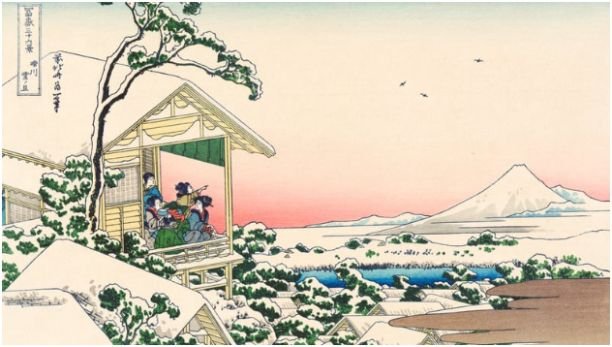
Japanese Ukiyo-e prints often show Mount Fuji, ocean waves, bridges, rain, and city life. These images reflect a culture closely aware of nature, travel, beauty, and seasonal change.
Chinese Shan Shui painting gives another strong example. Shan Shui means “mountain-water.” These ink landscapes often make human figures tiny beside huge mountains and rivers. The scale reflects Taoist ideas about nature’s vastness and humanity’s small place within the cosmic order.
Local Materials Tell Local Stories
Materials also reveal culture. African sculpture traditionally used native hardwoods, bronze, terracotta, fiber, and clay. These materials were not random. They came from the land and were shaped by ritual, community, and inherited skill.
A wooden mask used in a ceremony tells a different story than an oil portrait in a palace. One may speak for ancestors and community. The other may highlight status, wealth, or personal identity.
Beliefs Shape What Art Shows
Religion and philosophy often decide what art may show, avoid, simplify, or symbolize.
East Asian Art and Cosmic Harmony
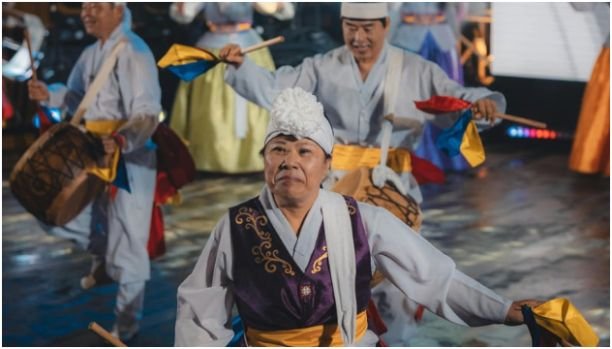
In East Asia, art reflects culture through harmony, discipline, and spiritual depth. Chinese, Japanese, and Korean traditions were shaped by Taoism, Buddhism, and Confucianism.
Traditional Chinese landscape painting often values inner spirit over exact realism. Japanese Zen ink painting and rock gardens use simplicity, negative space, and quiet balance to encourage meditation. Korean Joseon white porcelain reflects restraint, purity, humility, and scholarly values.
Islamic Geometry and Spiritual Order
Islamic art often uses geometry, calligraphy, and repeated patterns to express order and spiritual unity. In many sacred spaces, artists avoided human figures and used mathematical symmetry instead.
These patterns do more than decorate walls. They suggest infinity, balance, and a universe shaped by divine order. This is one reason Islamic architecture feels both precise and spiritual.
Art Reveals Social Values
Art also shows what a society praises. Some cultures highlight individual success. Others focus on ancestors, community, nature, or spiritual continuity.
Individualism, Community, and Ancestry
Western Renaissance portraiture often celebrated individual identity. Patrons, rulers, scholars, and merchants wanted images that showed status, intelligence, wealth, or personal achievement.
Traditional African masks often served a shared purpose. They appeared in rituals, funerals, harvest ceremonies, weddings, and rites of passage. The mask was not only an object. It was part of a living cultural event.
This contrast reveals two different values. A portrait may say, “Remember this person.” A ritual mask may say, “Remember who we are together.”
Death, Memory, and Celebration
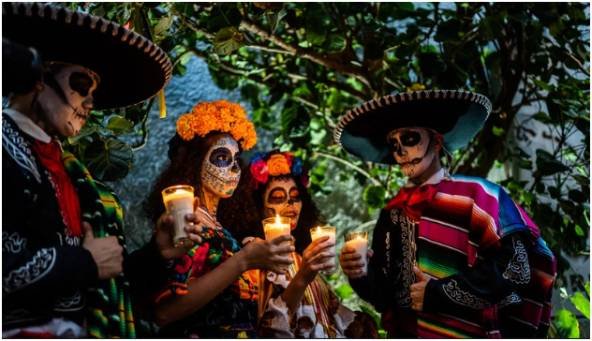
Mexican Día de los Muertos folk art shows how culture can transform death into color, memory, and connection. Sugar skulls, marigolds, papel picado, candles, and altars create a warm visual language around loss.
Instead of treating death only as an ending, this art presents it as a continuing bond with family and ancestors. That belief becomes visible through color, pattern, food, flowers, and handmade decoration.
East Asian Art Shows Philosophy in Every Brushstroke
East Asian traditions often join visual beauty with moral training, poetry, and spiritual discipline.
Word, Image, and Spirit
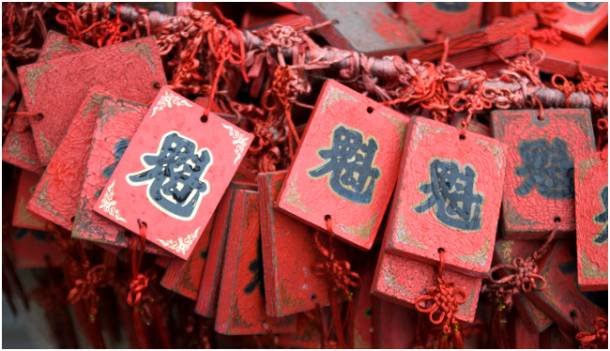
In Chinese culture, poetry, calligraphy, and painting often appear together on one scroll. This idea is known as the “Three Perfections.” The artwork shows not only technical skill but also education, emotional control, and personal refinement.
Brushwork matters deeply. The speed, pressure, and rhythm of a line can suggest the artist’s character and state of mind. A simple stroke may carry years of practice.
Seasonality and Impermanence
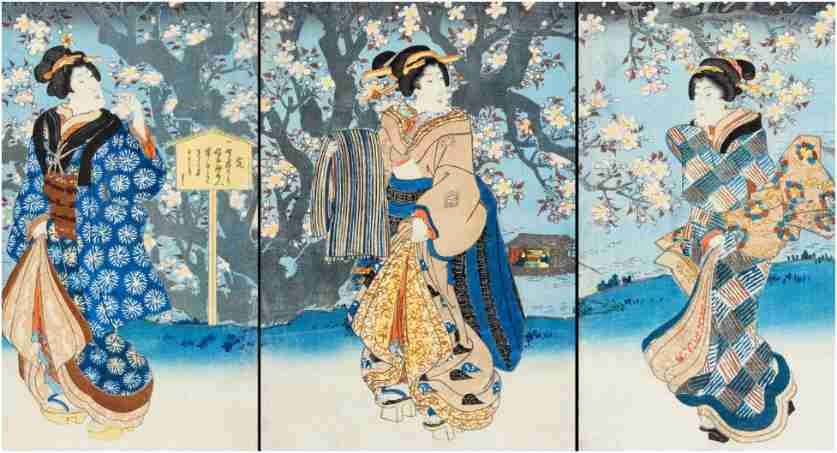
Japanese art often celebrates cherry blossoms, autumn leaves, snow, rain, and passing light. These seasonal images reflect an awareness of impermanence.
The idea of wabi-sabi values beauty that is simple, imperfect, and temporary. A falling blossom can carry deep meaning because it reminds viewers that beauty does not last forever.
Traditional Korean Hanok houses and Chinese courtyard homes also reflect this respect for nature. Their wood, stone, open spaces, and climate-aware layouts show harmony with the environment.
Trade, Migration, and Colonization Change Art
Culture is never sealed inside borders. Art changes when people trade, migrate, conquer, resist, and rebuild.
Chinese blue-and-white porcelain is a perfect example. Its popularity grew through trade routes, imported pigments, skilled craftsmanship, and global demand. A single porcelain bowl can carry Chinese technique, Persian material influence, Islamic collecting taste, and international commerce.
Colonization also changed art. In Latin America, Asia, and Africa, many post-colonial artists used European techniques while bringing back Indigenous symbols, local myths, native materials, and political critique.
That blend can become a form of cultural reclamation. It says, “You tried to define us, but we will define ourselves.”
Modern Art Reflects a Connected World
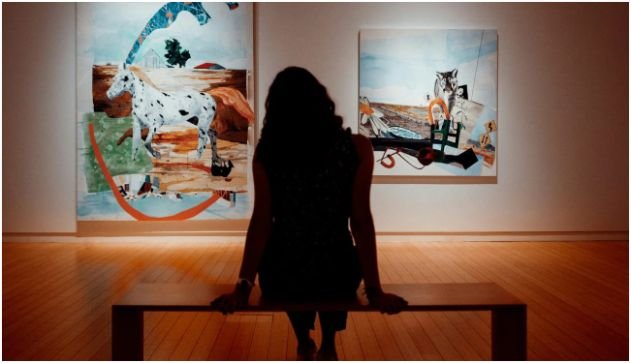
Modern art shows how art reflects culture in the world through technology, migration, activism, and globalization. Artists now use video, digital platforms, recycled objects, performance, public murals, and social media.
Ai Weiwei is a strong example. His work connects contemporary art with human rights, free speech, surveillance, power, and global public debate.
Today, an artwork can respond to war, climate change, identity, censorship, or migration and reach global audiences within seconds. The tools have changed, but the cultural role remains the same.
My Museum-Room Test for Reading Culture in Art
When I want to understand an artwork, I use five simple questions.
First, what material did the artist use? Wood, ink, stone, clay, gold, paper, or digital code all reveal access and value.
Second, how are people shown? Are they large, tiny, hidden, idealized, or absent?
Third, what symbols appear? Animals, flowers, colors, skulls, mountains, and patterns often carry cultural meaning.
Fourth, what does the artwork avoid? Absence can reveal taboos, religious rules, or sacred limits.
Fifth, where did the artwork belong? A museum object may once have lived in a temple, home, palace, tomb, market, street, or ritual space.
This test works because culture often hides in small choices.
FAQs
1. What does art tell us about culture?
Art tells us what a culture values, believes, celebrates, fears, and remembers. It can reveal religion, class, geography, politics, family life, and identity.
2. Why is art important in understanding history?
Art shows how people experienced life. It preserves emotions, customs, beliefs, and daily realities that written history may leave out.
3. How does geography influence art?
Geography shapes art through materials, landscapes, climate, architecture, and seasonal patterns. A desert culture and a coastal culture often create very different visual traditions.
Final Brushstroke, Because Culture Never Sits Still
I used to think art was mainly about talent. Now I see it as evidence. Every brushstroke, carving, pattern, and building carries a clue about the people who made it.
That is the real power of how art reflects culture in the world. Art lets us understand humanity without needing one shared language. The next time you see an artwork, ask what land shaped it, what belief guided it, and what story it refuses to let disappear.
That small pause can turn looking into understanding.