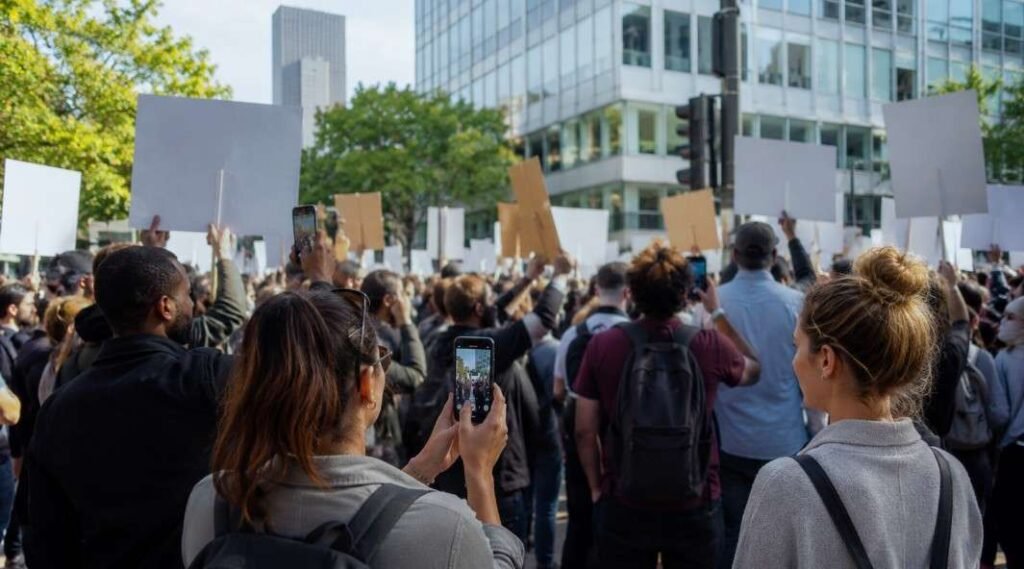
A protest post rarely feels historic at first. It may look like one video, one caption, or one hashtag. Yet social media and protests now shape how communities organize, speak truth, and push leaders to respond. I’ve seen online conversations turn quiet frustration into visible public action.
What Social Media Protests Mean
Social media protests use platforms like TikTok, Instagram, and X to organize, amplify, and mobilize political action. People share updates, explain causes, record events, and invite others to join peaceful action. These tools help ordinary citizens bypass traditional media and speak directly to the public.
The phrase social media and protests describes more than posting about anger. It includes digital protest movements, hashtag activism, online petitions, boycotts, livestreams, and crowdsourced documentation. The goal is not just attention. The goal is awareness that can become pressure.
Still, online action works best when it connects to real-world organizing. A viral post can open the door, but strategy, community trust, safety planning, and clear demands keep a movement alive after the trend fades. From an E-E-A-T lens, the most trustworthy protest content names sources, explains uncertainty, respects affected communities, and avoids turning pain into content.
Digital Activism On Major Platforms
Each platform shapes protest communication in a different way.
TikTok And Short Video Power
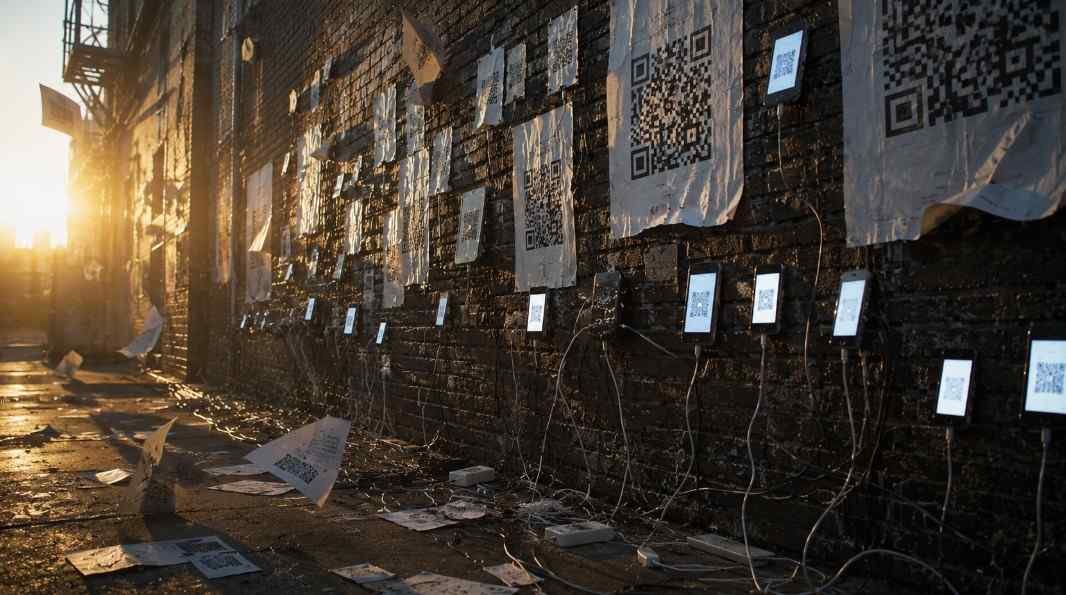
TikTok turns complex causes into quick, emotional stories. A short clip can show a protest crowd, explain a policy, or reveal injustice within seconds. This makes digital activism easier for younger audiences to understand and share.
The risk is speed without context. Strong creators add dates, locations, sources, captions, and next steps. That helps viewers move from reaction to informed participation. It also improves search visibility because useful, specific content keeps people reading and sharing.
Instagram For Visual Awareness
Instagram works well for infographics, reels, carousels, livestreams, and community updates. Activists use it to explain demands, share safety tips, and keep supporters emotionally connected.
Good Instagram activism avoids pretty but empty graphics. It uses clear language, verified details, readable visuals, and links to petitions, donation pages, legal support, or local organizing groups. Consistent alt text, captions, and location context also make posts more accessible.
X For Real-Time Mobilization
X is useful for breaking updates, journalist attention, protest logistics, and rapid response. During political movements, it can help people follow location changes, police presence, transport issues, and official statements.
Because misinformation spreads fast there, users should check sources before reposting. A responsible share can protect a movement. A careless one can confuse people or put protesters at risk. Accuracy is activism, especially during tense public moments.
Types Of Digital Action
Online protest is not one activity; it is a toolkit for collective pressure.
Hashtag Campaigns
Hashtag campaigns use trending topics, slogans, and memes to unify a message. They help people find each other, follow updates, and raise mass awareness around a cause. Hashtag activism is strongest when it links to education and action.
A memorable phrase should lead people toward demands, events, mutual aid, voter information, or community resources. The best tags are short, searchable, original, and easy to spell.
Online Petitions And Boycotts
Online petitions help supporters demand accountability from leaders, companies, schools, or institutions. They show public concern in a format that is easy to share.
Boycotts use digital networks to organize consumer pressure. People can spread brand information, explain demands, track responses, and encourage others to spend money according to their values.
Virtual Sit-Ins
Virtual sit-ins are coordinated digital actions where participants overwhelm or clog targeted websites, inboxes, or servers to disrupt normal operations. They are designed to draw attention and pressure institutions.
These actions can raise visibility, but they may create legal, ethical, or access concerns. Safer digital activism focuses on lawful pressure, public accountability, education, and organized civic participation.
Crowdsourced Documentation
Crowdsourced documentation uses smartphones, uploads, livestreams, and shared archives to record protests, police presence, civil rights violations, and public reactions.
This can protect truth when traditional media is restricted. However, activists should blur faces, avoid exposing private details, and get consent whenever possible. Documentation should inform, not endanger.
Pros And Cons Of Online Protests
Digital activism has real power, but it also has real limits.
The Pros Of Online Mobilization
Fast, decentralized communication allows movements to scale quickly without traditional leadership. Marginalized communities can share lived experiences, correct false narratives, and reach people who may never attend a meeting.
Social media and political movements also benefit from rapid logistical sharing. Protest times, legal aid contacts, donation links, safety alerts, and meeting points can reach thousands in minutes.
The Cons Of Online Protest
Social media is vulnerable to misinformation, fake accounts, old footage, and emotional manipulation. Algorithms may reward outrage over accuracy, making serious activism look like entertainment.
Decentralized movements can also struggle to set long-term policy goals. Without structure, a campaign may win attention but lose direction. That is why offline organizing remains essential.
The Slacktivism Problem
Slacktivism happens when people like, share, or post without taking deeper action. Online support can feel meaningful, but shallow participation rarely changes policy by itself. The answer is not to dismiss digital action.
The answer is to connect every post to a next step, such as calling officials, joining local groups, donating, learning, voting, or showing up. Real support should leave the feed and enter daily life.
Using Social Media Protests For Real Action
This how-to section turns awareness into practical movement-building amongst social justice issues.

Start With A Clear Message
Begin with one simple idea. Explain the issue, who is affected, why it matters, and what change is needed. A clear message is easier to share than a crowded caption. Use plain language, be socially responsible and credible sources. People should understand the cause without needing a law degree, history lecture, or insider vocabulary.
Share Proof And Context
Add photos, videos, expert links, firsthand stories, and dates. Context builds trust, especially when a protest topic is emotional or politically sensitive.
Before posting, verify the source and location. Accurate information protects activists, strengthens credibility, and helps journalists, supporters, and decision-makers take the cause seriously.
Give People A Next Step
Every strong post should answer, “What can I do now?” Invite people to sign, call, donate, attend, volunteer, learn, or share verified resources.
Keep the action specific and realistic. A small clear step is better than a dramatic call that leaves people confused or unsafe.
Frequently Asked Questions
1. What Is The 5 5 5 Rule For Social Media?
It usually means engaging with five posts, commenting on five accounts, and connecting with five people daily to build visibility, trust, and consistent community interaction.
2. Why Is Gen Z Quitting Social Media?
Gen Z is reducing social media because of burnout, privacy concerns, comparison, misinformation, algorithm fatigue, and frustration with performative online culture.
3. Why Is Gen Z Protesting?
Gen Z protests climate change, inequality, racial justice, education costs, gender rights, labor issues, democracy, safety, and economic pressure because they want faster institutional change.
4. How Does Social Media Affect Political Activism?
Social media boosts political activism by spreading information, mobilizing supporters, and documenting events. It can also increase misinformation, surveillance, polarization, and shallow participation.
Keep The Spark, Build The Change
Social media and protests can start with a phone, but lasting change needs people, planning, care, and courage. Digital activism works best when awareness becomes action, hashtags become community, and online pressure becomes organized civic power.
The future belongs to movements that stay truthful, inclusive, and brave long after the algorithm moves on, because real social change is built by people who keep caring after everyone else has stopped scrolling online today.