
People scroll through enormous amounts of content every day without consciously noticing most of it. A crowded social feed, a busy website, or an overloaded presentation usually gets ignored within seconds. That is one reason modern creative graphics have become much more important than simple decoration. They help people process information faster while also making communication feel clearer and more memorable.
Strong visual communication now depends heavily on how effectively design guides attention. Modern graphics simplify complex ideas, create emotional response, and improve audience engagement without forcing people to work too hard to understand the message. In digital environments where attention spans feel increasingly fragmented, thoughtful design often determines whether people stay engaged or move on immediately.
Modern Graphics Help People Process Information Faster
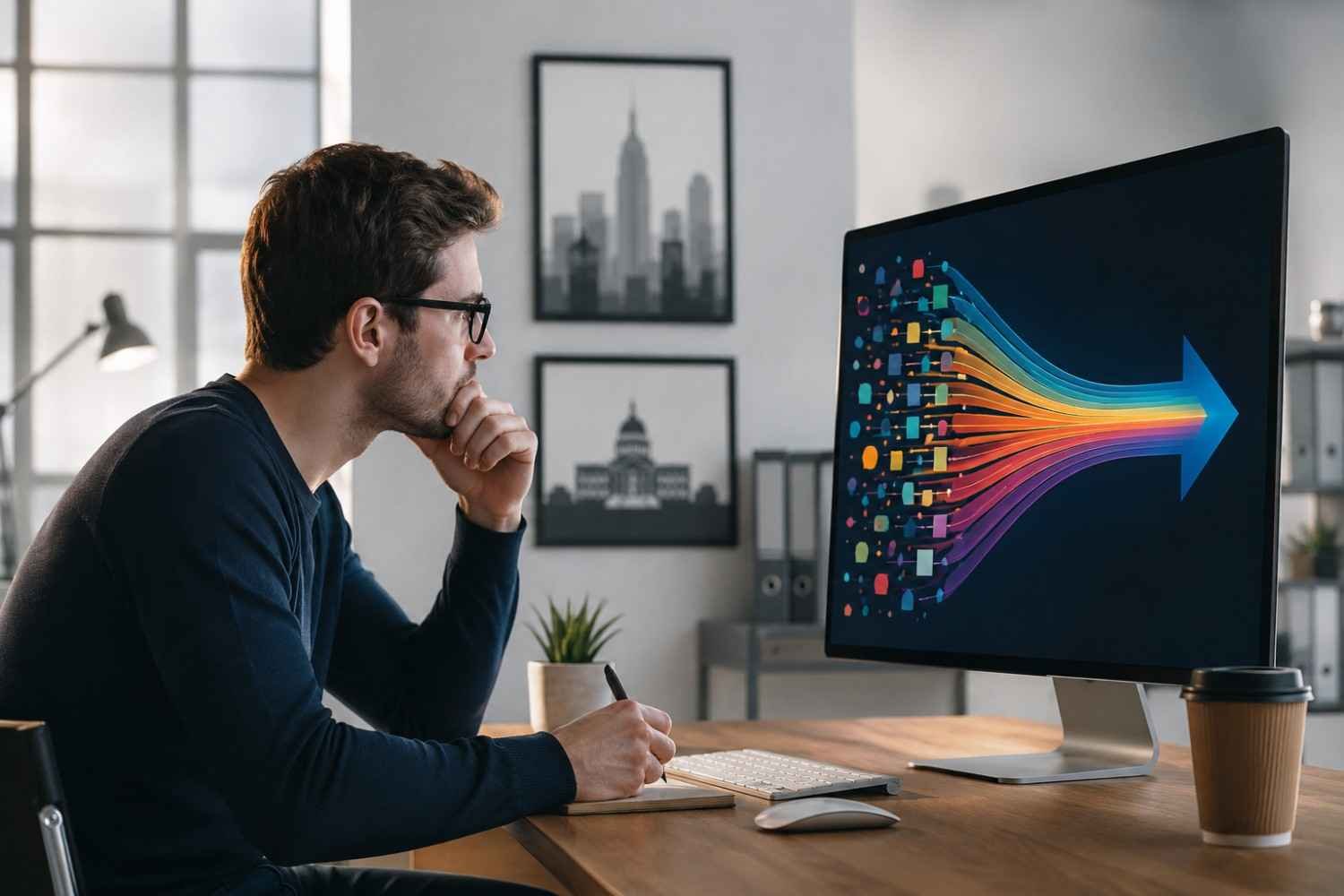
Most people absorb visuals much quicker than large blocks of text. That is why modern digital communication increasingly relies on strong visual structure rather than information overload.
A well-designed graphic immediately tells the viewer where to look first, what matters most, and how different pieces of information connect together.
Clear Visual Structure Improves Communication
Modern design relies heavily on spacing, typography, sizing, and contrast to improve clarity. These design decisions reduce cognitive load and help audiences understand information with less effort.
This is where concepts like what is visual hierarchy become extremely important in modern creative graphics. Visual hierarchy determines how the eye naturally moves across a design. Larger text, stronger contrast, spacing, and placement all help guide user attention toward the most important message first.
Without a strong visual hierarchy, even attractive designs can feel confusing or overwhelming.
You can see this principle constantly used in:
- website landing pages
- social media graphics
- infographics
- mobile applications
- digital advertising
- presentation design
Modern audiences expect information to feel instantly understandable. Graphics that simplify navigation and readability usually perform far better than visually crowded layouts.
Creative Graphics Make Emotional Impact Faster

People often respond emotionally to visuals before they fully process written information. That emotional reaction plays a major role in how communication gets remembered.
Color and Composition Influence Perception
Different visual styles create different emotional experiences. Minimalist layouts often communicate sophistication and clarity, while bold colors and dynamic compositions create energy and urgency.
Modern creative graphics use:
- color psychology
- motion design
- visual storytelling
- typography contrast
- composition balance
to influence how audiences emotionally interpret a message.
This matters because emotional engagement increases content retention. A visually compelling graphic helps audiences connect with ideas faster than plain informational content.
That is one reason modern brands invest heavily in visual storytelling. Strong graphics allow businesses, creators, and organizations to communicate tone, identity, and personality immediately without relying entirely on written explanation.
Strong Visual Communication Improves Brand Recognition
Digital spaces are extremely crowded. Most people encounter hundreds of visuals daily across websites, apps, advertisements, and social platforms. Standing out requires more than simply using attractive colors or trendy layouts.
Consistency Builds Familiarity
Modern creative graphics strengthen communication when they create a consistent visual identity across platforms. Consistent typography, color systems, icon styles, and layout structures help audiences recognize a brand quickly.
That familiarity builds trust over time.
When visuals feel inconsistent, communication becomes fragmented. Audiences may still see the content, but they struggle to form strong recognition or emotional association with it.
This is why modern branding strategies increasingly focus on:
- visual consistency
- responsive design systems
- user-focused layouts
- recognizable graphic elements
- accessible design standards
Strong design is not only about aesthetics anymore. It also shapes how trustworthy, professional, and organized communication feels.
User Experience Now Shapes Modern Graphic Design

Modern creative graphics are heavily influenced by user behavior and digital accessibility expectations.
People consume content across phones, tablets, laptops, smart TVs, and social platforms with very different screen sizes and viewing habits. Graphics now need to adapt smoothly across multiple environments.
Mobile-First Design Changed Visual Communication
Designers increasingly prioritize mobile readability because so much digital engagement happens on smaller screens. Large text blocks, cluttered graphics, and overly complicated layouts often fail in mobile environments.
Modern graphics focus more heavily on:
- responsive layouts
- readability
- clean spacing
- intuitive navigation
- simplified information architecture
This shift also improved accessibility standards across digital design.
High-contrast typography, clear icon systems, readable fonts, and structured layouts help make communication easier for broader audiences. Accessibility is no longer treated as an optional feature in professional design environments. It directly affects usability and audience retention.
Data Visualization Makes Complex Information Easier to Understand
One of the strongest advantages of modern creative graphics is their ability to simplify complex information.
Charts, infographics, and visual data systems help audiences quickly understand patterns, comparisons, and workflows that would otherwise feel overwhelming in text form.
Simplicity Reduces Miscommunication
Modern audiences often prefer scanning information quickly rather than reading long explanations. Effective data visualization supports that behavior by presenting information in visually organized formats.
This becomes especially valuable in:
- marketing reports
- public information campaigns
- educational content
- financial presentations
- healthcare communication
- business analytics
When information feels visually organized, audiences are more likely to stay engaged and absorb the message correctly.
That combination of clarity and efficiency explains why modern creative graphics continue shaping communication across nearly every digital industry.
Creativity Matters More in Saturated Digital Spaces
Online spaces are more visually competitive than ever before. Generic graphics disappear quickly because audiences have become highly selective about what captures their attention.
Modern creative graphics succeed when they balance:
- originality
- readability
- emotional resonance
- communication clarity
- user experience design
Designs that focus only on trends often become forgettable. Strong visual communication works because it understands both aesthetics and human attention patterns at the same time.
That balance is what separates meaningful design from purely decorative content.
FAQs: How Modern Creative Graphics Shape Stronger Visual Communication
1. Why are modern creative graphics important?
Modern creative graphics improve communication by making information easier to process, emotionally engaging, and visually memorable across digital platforms.
2. How does visual hierarchy improve graphic design?
Visual hierarchy guides the viewer’s attention through spacing, sizing, contrast, and placement so that important information stands out clearly and naturally.
3. Why do visuals increase audience engagement?
Visuals process faster than text and create emotional reactions more quickly, which helps audiences stay interested and remember information longer.
4. How do creative graphics support brand identity?
Consistent visual design strengthens brand recognition, improves trust, and helps audiences quickly identify messaging across multiple platforms.
Final Thoughts
Modern creative graphics shape stronger visual communication because they help people understand information faster while creating a deeper emotional connection at the same time. In highly saturated digital spaces, audiences respond more strongly to visuals that feel clear, intentional, and easy to navigate. Strong design no longer functions as decoration alone. It influences readability, engagement, trust, accessibility, and overall communication effectiveness across nearly every online environment.
The most effective modern graphics combine creativity with clarity. When design successfully guides attention instead of competing for it, communication becomes much more powerful and memorable.