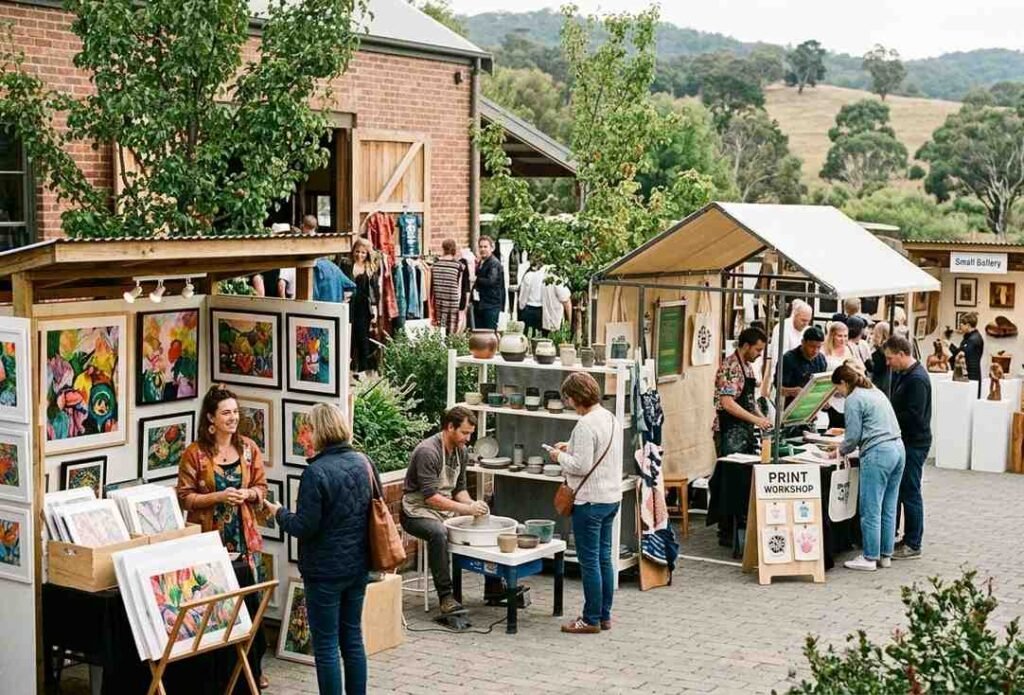
I have always believed that creativity becomes more powerful when it can also support your lifestyle. That is why art business ideas are so exciting for painters, designers, crafters, illustrators, and makers who want to earn from their skills.
In the United States, people spend money on personalized gifts, home decor, wedding details, creative classes, handmade products, and digital downloads every day.
The good news is that you do not need a gallery connection or a huge studio to begin. You can start from your home, sell online, offer local services, or build a creative brand around your own style. The key is choosing an idea that fits your skill, budget, and audience.
What Makes a Creative Business Profitable?
A profitable art-based business solves a clear problem or creates strong emotional value. People buy art because they want beauty, identity, memories, personalization, or a unique experience. That is why custom portraits, handmade cards, murals, wedding calligraphy, digital prints, and art classes can all work in different ways.
Before choosing a business, I would look at four things: startup cost, demand, pricing potential, and repeat sales. A mural business may bring high payments but needs local networking. A digital print shop may start cheaply and scale faster. A handmade product business may need more time, but customers often love the personal touch.
Physical Product Businesses for Artists
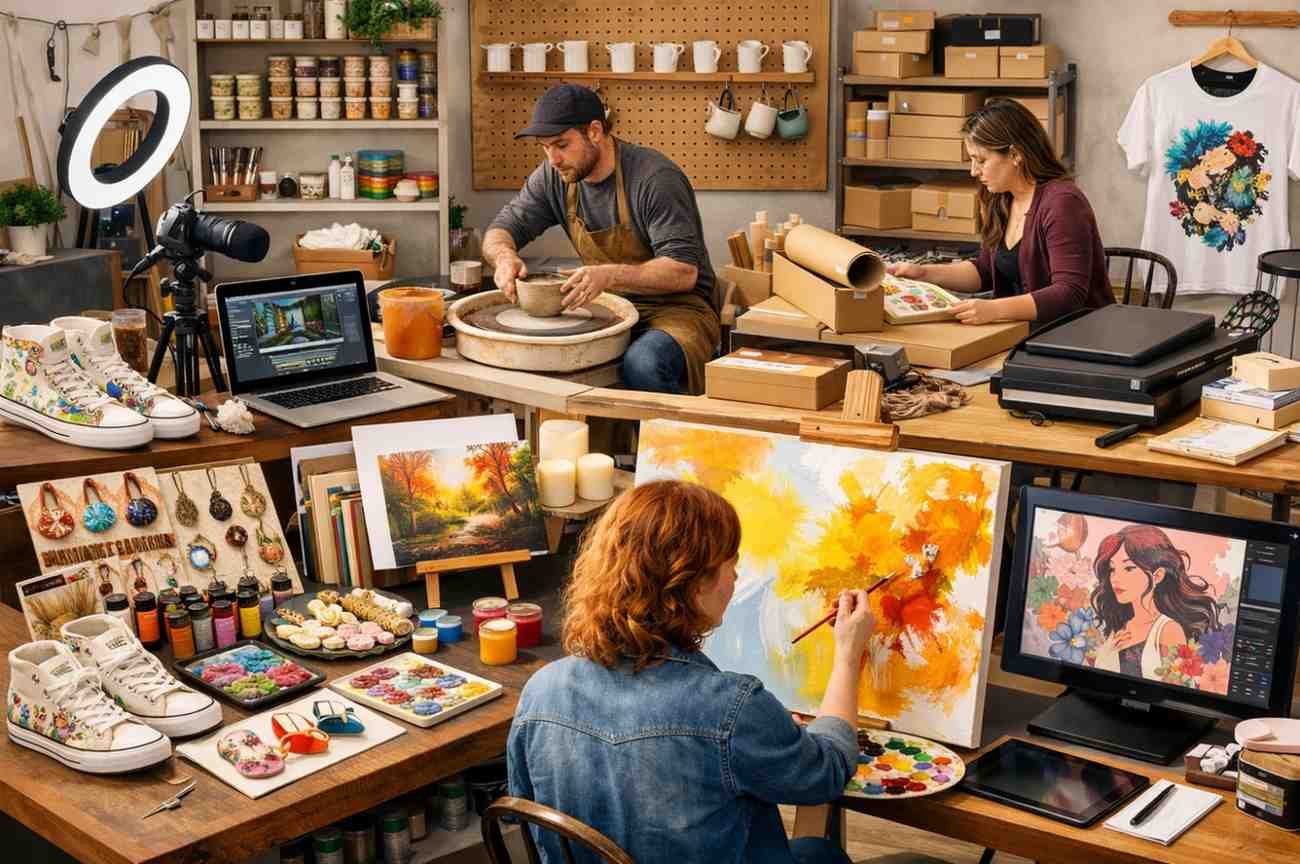
Physical products are great if you enjoy making items people can hold, gift, wear, or display. These ideas work well for Etsy, local craft fairs, boutique shops, farmers markets, pop-up events, and your own ecommerce website.
Can a Print-on-Demand Store Make Money?
A print-on-demand store lets you upload original artwork to products like T-shirts, mugs, tote bags, wall art, phone cases, pillows, and home decor. You do not have to handle inventory because the platform prints and ships the product after a customer orders.
This is one of the easiest ways to test creative designs. To stand out, I would build collections around specific audiences, such as dog lovers, teachers, book fans, moms, gamers, or home decor shoppers. A clear niche can make your store feel more memorable.
Are Handmade Greeting Cards Still Worth Selling?
Handmade greeting cards can sell well because people still love personal, thoughtful messages. You can create birthday cards, holiday cards, wedding cards, sympathy cards, thank-you cards, and event stationery using watercolor, block printing, ink drawing, collage, or hand lettering.
This business works especially well around seasonal moments like Christmas, Valentine’s Day, Mother’s Day, graduations, and weddings. Small products can also help new customers try your work before buying larger pieces.
How Can Custom Calligraphy Become a Business?
Custom calligraphy services can feel premium because they serve weddings, corporate events, luxury parties, and personal stationery needs. You can create handwritten wedding invitations, place cards, envelope addressing, event signage, vows, menus, and personalized gifts.
In the US wedding market, presentation matters. Couples often want details that feel elegant and custom. If you build a clean portfolio and partner with wedding planners, photographers, florists, or venues, calligraphy can become a strong local service.
Is Furniture Restoration a Good Creative Business?
Furniture restoration combines art, design, and resale. You can find vintage chairs, dressers, tables, and cabinets at thrift stores, estate sales, garage sales, or Facebook Marketplace. Then you repair, repaint, refinish, and resell them for a higher price.
This idea works well because home decor buyers often want unique pieces that do not look mass-produced. A strong before-and-after photo can also perform well on Instagram, Pinterest, and local selling groups.
Can Handcrafted Merchandise Sell Online?
Handcrafted merchandise is a smart option if you want low-cost items with your signature art style. Vinyl stickers, enamel pins, patches, keychains, bookmarks, magnets, and mini prints can all sell well because they are affordable and easy to ship.
These products also work well for artists who already have a social media following. Fans may not always buy a large painting, but they may buy a sticker pack or pin that reflects your style.
What About Textile and Embroidery Products?
Textile and embroidery businesses can turn everyday items into custom art. You can stitch designs onto denim jackets, sweatshirts, canvas tote bags, throw pillows, hats, baby blankets, or wall hoops.
Personalized embroidery feels giftable, which makes it useful for birthdays, baby showers, bridal parties, and small business branding. This is one of those art business ideas that blends handmade value with practical products.
Digital and Scalable Businesses for Artists
Digital products are powerful because you can create them once and sell them many times. They are also easier to run from home because you do not always need packaging, storage, or shipping.
Can Digital Art Prints Create Passive Income?

Digital art prints are downloadable files customers can buy instantly and print at home or through a local print shop. You can sell nursery art, quote prints, kitchen wall art, seasonal decor, minimalist line drawings, classroom posters, or personalized name prints.
This model works best when your product titles match real searches. Instead of using vague names, use specific phrases like “printable farmhouse kitchen art” or “personalized nursery wall print.”
How Do Book Illustration Services Work?
Book illustration can be a great option if you enjoy storytelling. Authors, self-publishers, children’s book writers, and small publishers often need illustrations, book covers, chapter art, or decorative dust jackets.
To begin, I would create a portfolio with sample pages in a consistent style. Children’s books, fantasy covers, educational books, and poetry collections can all offer opportunities for skilled illustrators.
Can Artists Sell Design and Creator Assets?
Design assets are useful for other creatives. You can sell custom fonts, Procreate brushes, digital brush sets, Canva templates, clip art packs, texture overlays, stock graphics, and printable design elements.
This is a scalable business because your customers are often designers, content creators, teachers, small business owners, and other artists. If your tools save them time or improve their work, they are more likely to buy.
Are Art Subscription Boxes a Good Idea?
Art subscription boxes can create recurring income. You can curate monthly packages with themed art supplies, project kits, watercolor sets, journaling materials, kids’ craft projects, or beginner drawing activities.
This business needs more planning because you must manage products, shipping, and customer retention. Still, it can work well if you build a strong theme and give subscribers something exciting every month.
Service and Experience-Based Art Businesses
Service-based businesses can be profitable because people pay for your time, skill, and personal touch. These ideas work well in cities, suburbs, college towns, and creative communities across the United States.
How Do Custom Commissions Make Money?
Custom commissions include pet portraits, family portraits, couple illustrations, house portraits, memorial art, wedding paintings, and personalized gifts. These services sell well because they are emotional and personal.
I would create clear packages, turnaround times, and examples before accepting orders. This helps customers understand what they get and reduces confusion.
Can Mural Painting Become a Full Business?
Mural painting can bring strong income if you enjoy large-scale projects. Restaurants, salons, gyms, schools, offices, apartment buildings, nurseries, and retail stores often want custom walls that make their spaces stand out.
To attract clients, share mockups, process videos, and finished wall photos. Local business owners need to see that your work can improve their space and create a memorable customer experience.
Is Art Rental a Smart Local Business?
Art rental services let offices, hotels, real estate staging companies, clinics, and restaurants rent original paintings or curated collections. This can create ongoing income instead of one-time sales.
This model works best if you have a strong collection and can connect with interior designers, property managers, and local business owners. It also helps artists keep earning from pieces that have not sold yet.
Educational and Content Businesses for Artists
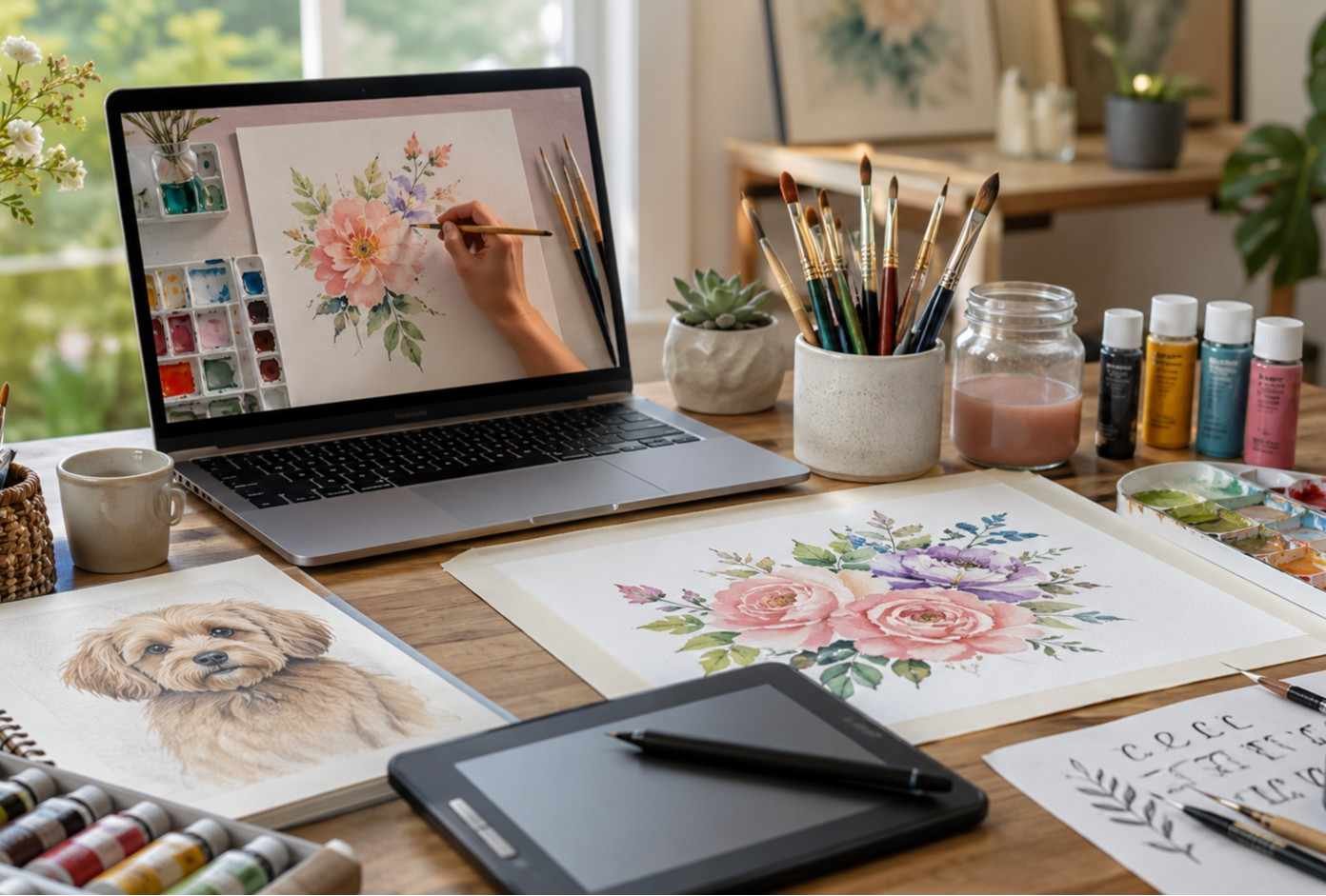
Teaching and content creation can help you earn while building authority. These options are great if you enjoy explaining your process and connecting with people.
Can Online Art Classes Become Passive Income?
Online art classes can cover watercolor, acrylic painting, drawing, digital illustration, calligraphy, pottery basics, or sketchbook practice. You can sell courses through your website, learning platforms, or membership communities.
The best classes solve a specific beginner problem. Instead of “learn art,” teach “watercolor flowers for beginners” or “how to draw realistic pets.”
Do Local Art Workshops Work Well?
Local workshops can attract people looking for fun weekend activities, date nights, birthday events, team-building sessions, or family-friendly creative classes. Paint-and-sip nights, beginner pottery sessions, and seasonal craft workshops can all work well.
You can host them in community centers, cafés, studios, libraries, schools, or rented event spaces. A good workshop gives people both a finished project and a memorable experience.
Can Art Content Creation Become a Business?
Art content creation can include a blog, YouTube channel, TikTok page, Instagram studio vlog, newsletter, or behind-the-scenes brand. You can earn through ads, sponsorships, affiliate links, product sales, courses, and commissions.
This takes consistency, but it can support every other part of your creative business. People often buy from artists they feel connected to.
How to Choose the Best Creative Business Model
The best model depends on your personality. If you like quiet creative work, digital prints, book illustration, or creator assets may fit you. If you enjoy hands-on making, greeting cards, embroidery, furniture restoration, or handcrafted merchandise may work better. If you like people, workshops, murals, calligraphy, and commissions can be a great match.
I would start with one offer, test it, and improve it based on real customer response. Trying too many things at once can make your brand confusing.
Frequently Asked Questions (FAQs)
1. What is the easiest art business to start from home?
Digital prints, print-on-demand products, custom illustrations, handmade cards, stickers, and online art classes are some of the easiest options to start from home.
2. What art business makes the most money?
Murals, custom commissions, wedding calligraphy, online courses, art licensing, furniture restoration, and premium handmade products can be highly profitable when priced correctly.
3. Can I start an art business with little money?
Yes. Start with skills and tools you already have. Services like custom sketches, digital illustration, calligraphy, or local workshops can begin with a small budget.
4. Where can I sell my artwork online?
You can sell through Etsy, Shopify, your own website, Amazon Handmade, Creative Market, Society6, Redbubble, social media shops, and digital product marketplaces.
5. Do I need a license to sell art in the United States?
Rules vary by state and city. You may need a business license, sales tax permit, or local registration, especially if you sell regularly.
Creative Income Starts With One Clear Offer
The best art business ideas are not always the most complicated ones. They are the ones you can start, explain, price, market, and repeat. Whether you choose digital prints, calligraphy, murals, embroidery, workshops, book illustration, subscription boxes, or even creative mural painting ideas, your creativity can become more than a hobby.
I would begin with one focused offer and one clear audience. Once you make your first few sales, you can improve your pricing, branding, and marketing. That is how a creative skill turns into a real business.