A single song at a march can lift tired voices. A mural on a cracked wall can make a whole neighborhood feel seen. That is why how art creates social change matters. It turns feeling into attention, attention into conversation, and conversation into collective action for justice, dignity, and reform.
In social change and activism, art shows up in streets, schools, galleries, films, posters, performances, and digital spaces, helping people understand issues that may feel distant, complex, or easy to ignore.
Heard About Art Activism?
Art creates social change by bypassing logic to connect directly with human emotion, sparking empathy, altering cultural narratives, and uniting communities. It translates abstract statistics into compelling human stories, making complex issues accessible, breaking taboos, and motivating collective action for systemic reform.
In activism, art is not just decoration around a message. It is often the message itself. A photograph can expose injustice. A play can challenge silence. A public mural can turn grief into visibility. A protest song can give a movement rhythm and identity.
This is why socially engaged art has power across causes like racial justice, climate action, gender equality, disability rights, migration, public health, and workers’ rights. It helps people feel the issue, not just read about it.
How Art Drives Transformation
Real transformation begins when art changes what people notice, feel, and believe.
Cultivating Empathy
Art allows people to step into the shoes of others, fostering deep understanding of marginalized experiences that traditional data or political speeches often fail to convey. A portrait, poem, film, or dance can bring lived experience close enough to feel personal.
This matters because empathy is the emotional engine of advocacy. People may ignore numbers, but they rarely forget a face, a voice, or a story that made them pause.
Shifting Narratives
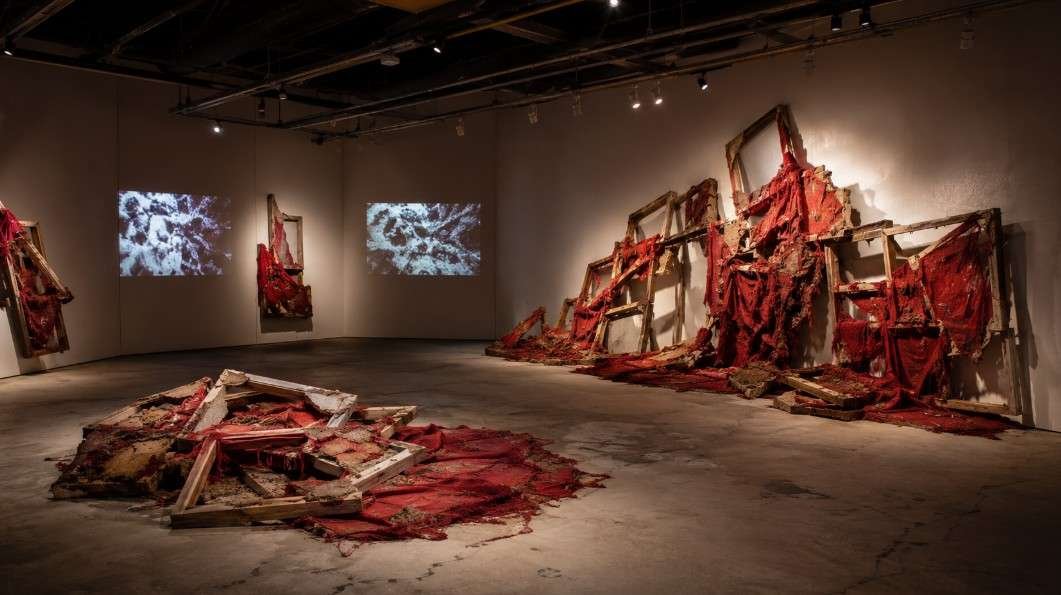
By challenging the status quo, art counters historical invisibility, alters public sentiment, and changes the way society understands cultural identity and power structures. It can ask who gets remembered, who gets erased, and who tells the story.
Narrative change is slow, but it shapes everything. Before laws change, public imagination often changes first. Art helps people picture a fairer world before that world fully exists.
Building Solidarity
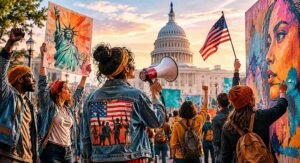
Murals, protest songs, visual storytelling activism and community performances serve as rallying cries that bind people together and sustain momentum during social movements. They create shared language, shared symbols, and shared emotional energy.
Solidarity grows when people feel less alone. A chant, banner, or street performance can turn scattered frustration into visible unity.
Visualizing The Unseen
Art gives hidden issues a body, a color, a sound, and a place in public life.
Giving Voice To The Voiceless
Artists give a voice to the voiceless, transforming public spaces into public forums and bringing attention to urgent injustices that day-to-day life might easily ignore. This is powerful for communities pushed outside mainstream media.
A community mural about housing, a photo essay about caregiving, or a spoken-word event about violence can make ignored stories impossible to dismiss.
Breaking Taboos
Some issues stay hidden because people feel shame, fear, or pressure to stay quiet. Art can open those locked doors gently but boldly.
Mental health, domestic violence, racism, grief, poverty, and identity can be difficult to discuss directly. A play, installation, or film can make the conversation safer and more human.
Reclaiming Public Space
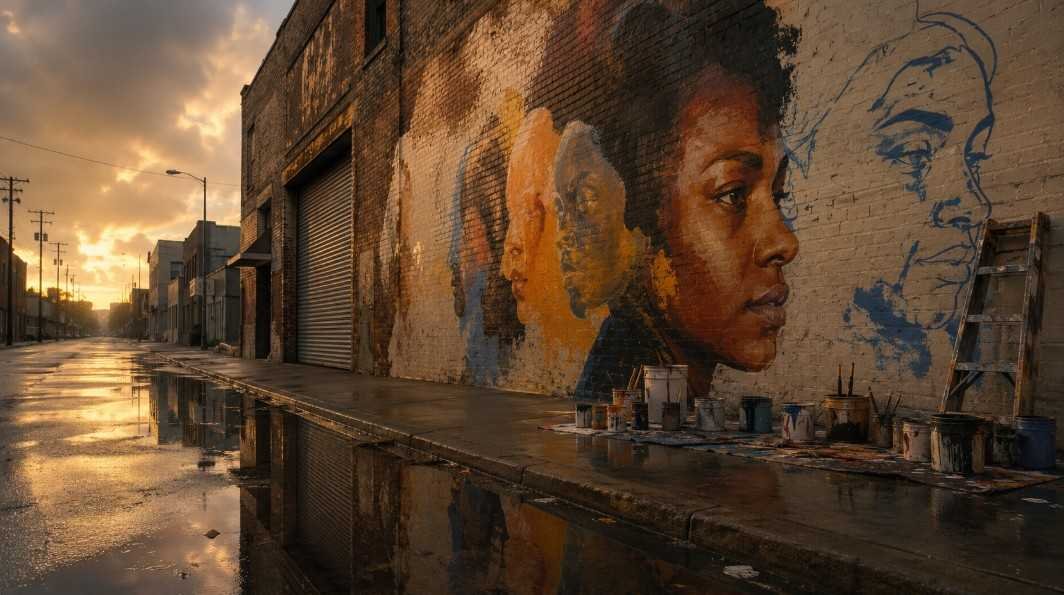
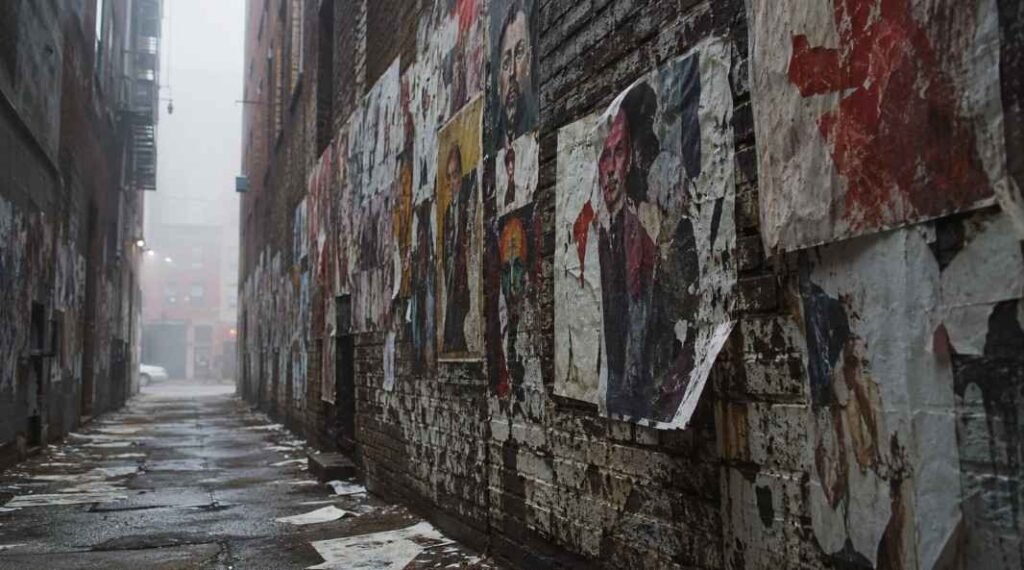
Public art can turn ordinary walls, parks, sidewalks, and buildings into places of civic meaning. It says the community has something to remember, demand, or celebrate.
This is powerful in neighborhoods that have been ignored, displaced, or misrepresented. A mural can become a landmark of pride and resistance.
Real-World Impact
Creative expression regularly bridges the gap between awareness and concrete action.
From Awareness To Reform
Storytelling through documentary film has directly spurred tangible government reform. Films, exhibitions, and public campaigns can expose abuse, influence pressure, and encourage leaders to respond.
Art does not create reform alone. It works with organizing, journalism, legal advocacy, education, and community pressure. Still, it makes the issue easier for the public to understand and harder for institutions to ignore.
From Viewers To Participants
Strong activist art does not leave people wondering what to do next. It connects feeling with a clear action step, such as joining a local group, attending an event, sharing resources, or supporting affected communities.
This is where campaigns often succeed or fail. Awareness is useful, but empty awareness fades quickly.
From Community To Movement
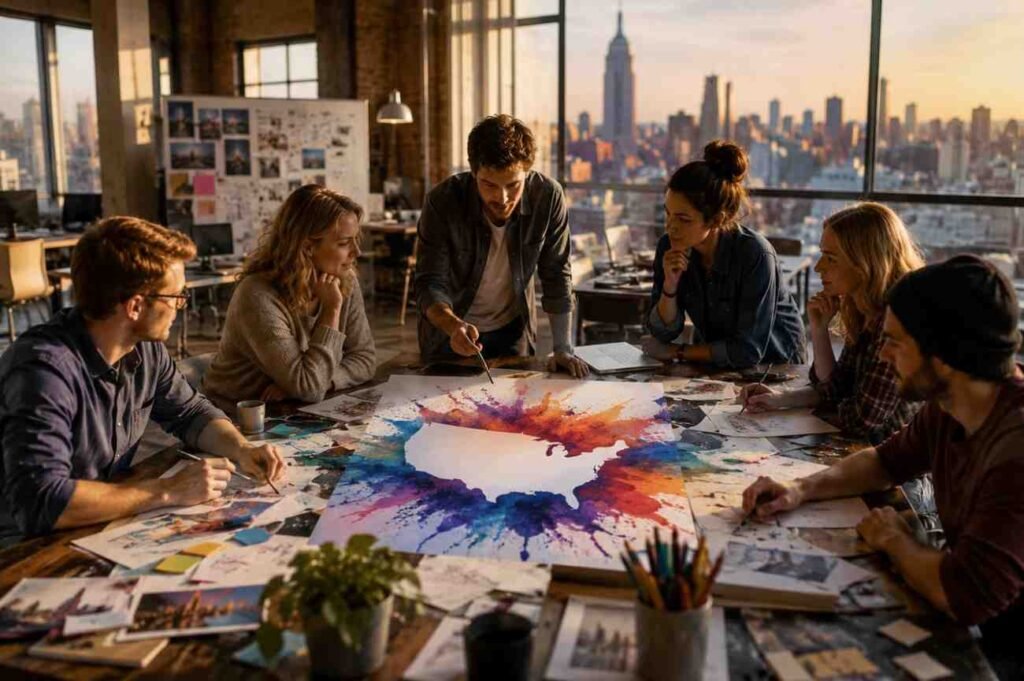
Community-based art builds trust because people help shape the message. Instead of being treated as subjects, residents, students, workers, or survivors become co-creators.
That collaboration makes the work more ethical and more accurate. It also builds ownership, because people protect what they helped create. That staying power is why cultural movements often use symbols people can repeat. A color, image, song, or phrase can travel across generations and keep a cause emotionally alive.
Try It In Real Life
Here is how art can support activism without becoming vague, performative, or disconnected.
Pick One Clear Cause
The real-life use of how art creates social change starts with focus. Choose one issue, one audience, and one emotional message before creating anything.
For example, instead of saying “support justice,” a project could ask neighbors to protect a local shelter, attend a city meeting, or learn the stories of displaced families.
Choose The Right Medium
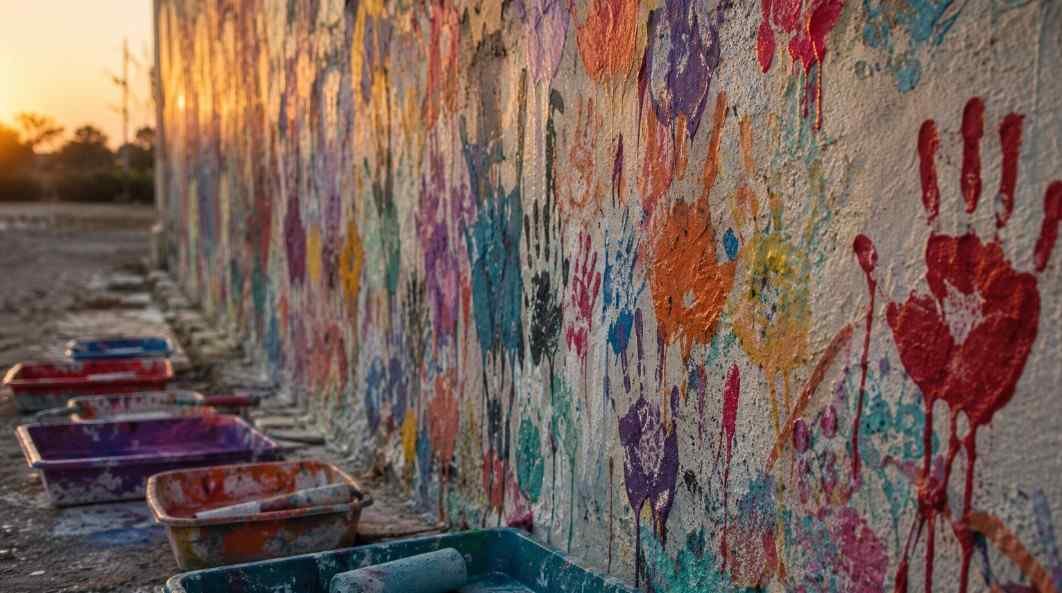
Match the medium to the mission. A poster spreads fast. A mural builds neighborhood pride. A documentary explains depth. A performance disrupts routine. A digital illustration reaches online communities.
The best format depends on where the audience lives, gathers, scrolls, studies, and organizes. Art should meet people where they already are.
Partner And Measure
Work with trusted community groups, educators, organizers, or nonprofits. Their knowledge helps the project stay respectful, accurate, and useful.
Then measure what happens. Look at attendance, conversations, shares, volunteer sign-ups, donations, media mentions, community feedback, or policy attention.
The goal is not to make art louder than the people affected. The goal is to make truth easier to see, share, and protect. That is where ethical art activism begins.
Frequently Asked Questions
1. How Does Art Influence Social Change?
Art influences social change by creating empathy, shifting public narratives, making hidden issues visible, and inspiring people to join collective action.
2. Why Is Art Powerful In Activism?
Art is powerful because it makes activism emotional, memorable, and shareable. It gives movements symbols, stories, songs, and images people can carry.
3. What Are Examples Of Social Change Art?
Examples include protest posters, murals, documentary films, spoken-word poetry, public installations, community theater, digital campaigns, and movement songs.
4. Can Art Lead To Real Reform?
Yes. Art can support reform when it connects awareness to organizing, education, advocacy, community partnerships, and clear action steps.
Keep The Spark Moving
How art creates social change is about turning emotion into courage and courage into action. Art helps people see injustice, feel connected, and imagine better systems. In activism, that spark matters because every movement needs stories, symbols, and shared hope to keep moving.