
A single photo, poster, or short film can make someone stop scrolling and start caring. That is why visual storytelling activism matters today. It turns complex urgent social issues into vivid human stories that feel memorable and hard to ignore.
Images cross language and attention barriers faster than text. They help people see who is affected and why action matters.
What Is Visual Storytelling Activism?
Visual storytelling activism uses photography, illustration, film, design, and public art to explain urgent issues through emotion, context, and lived experience. This practice takes big problems like climate change, racial injustice, displacement, or poverty and makes them easier to feel
Instead of asking people to read a full report first, it gives them a visual entry point.
A strong visual story does not replace facts. It helps facts land. It gives data a face, a place, and a moment. That is why visual storytelling for social change works across campaigns, nonprofits, and movements.
Why Visuals Fuel Activism
Visual media reaches people quickly because it speaks to emotion before logic, which makes it powerful for advocacy.
Humanizing Statistics
Abstract numbers can feel distant. A million people displaced, thousands without clean water, or rising temperatures can sound overwhelming until one person’s story brings it closer
Visual storytelling activism reframes large crises through the human element. A portrait after a flood, a photo essay about workers, or a short film about a student can help audiences understand what numbers mean.
This is about making reality visible with care, accuracy, and dignity.
Digital Accessibility And Virality
People consume information quickly, especially on social media. Illustrations, reels, photo essays, infographics, and short videos make dense issues easier to understand and share.
A clear visual can travel to thousands of feeds in minutes. That reach helps advocates mobilize donations, petitions, and pressure
Accessibility matters too. Captions, alt text, subtitles, and plain language make visual advocacy stronger and more inclusive.
Reclaiming Public Space
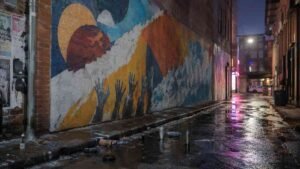
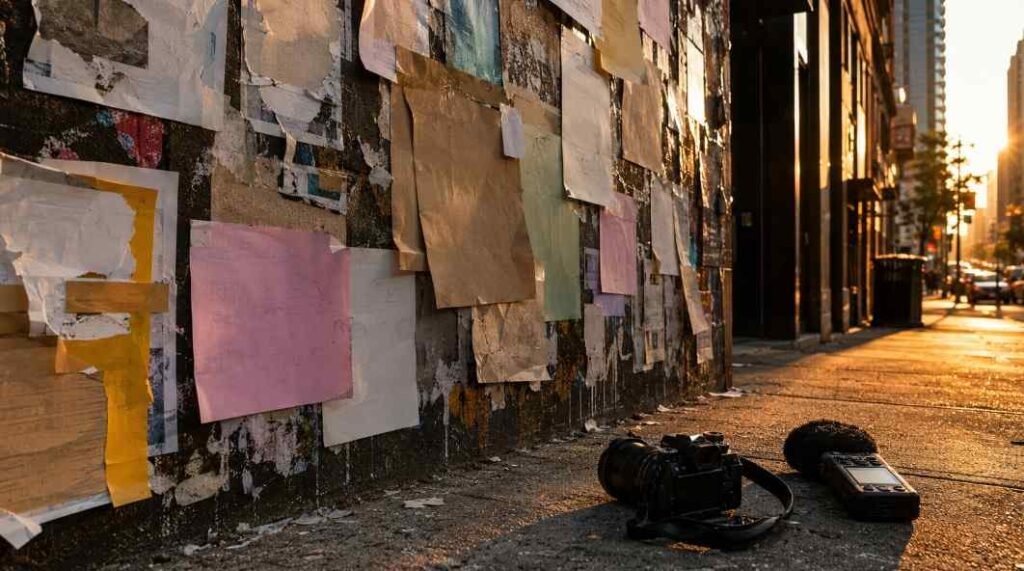
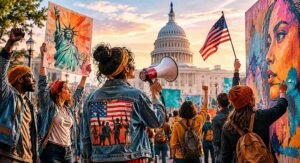
Activism does not live only online. Street art, murals, posters, banners, and protest signs turn public spaces into living message boards.
These visuals help community voices challenge dominant narratives and claim visibility. A wall or city square can become a place for memory, mourning, pride, resistance, and hope
Art activism is powerful here because it gives ordinary spaces emotional force. It shows that a movement belongs in the streets too.
Key Mediums In Visual Activism
Different visual forms create different kinds of impact, so choosing the right medium is part of the strategy.
Photojournalism

Photojournalism uses authentic imagery to document injustice, crisis, resilience, and public response. It can expose what powerful groups would rather hide
Photography as activism has shaped public awareness for decades because it offers evidence and emotion at the same time. A strong image can hold institutions accountable while helping viewers connect to a real person.
Ethical captions are essential. Names, dates, consent, and context help protect truth and trust.
Illustration And Graphics
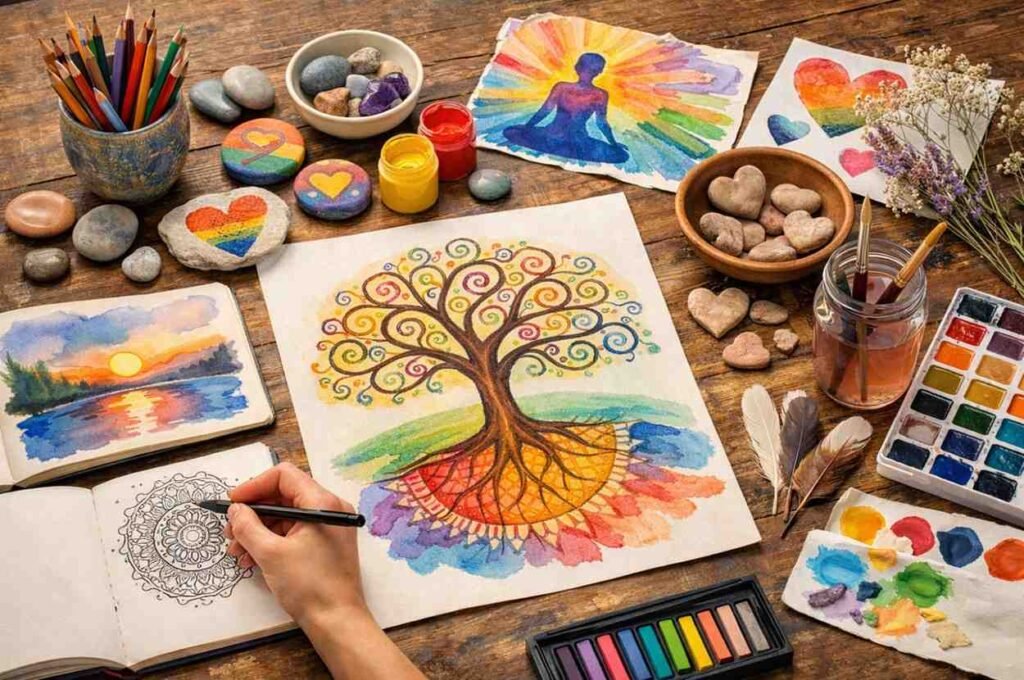
Illustration and graphics turn complex systems into striking, understandable visuals. They can explain policy, simplify climate data, or turn a campaign message into a symbol.
This medium is useful when photography cannot safely show people or sensitive situations. It can protect identities while still communicating urgency
Good graphics use clear hierarchy, readable text, strong contrast, and one focused idea. The goal is to make the message easy to grasp and share.
Participatory Storytelling
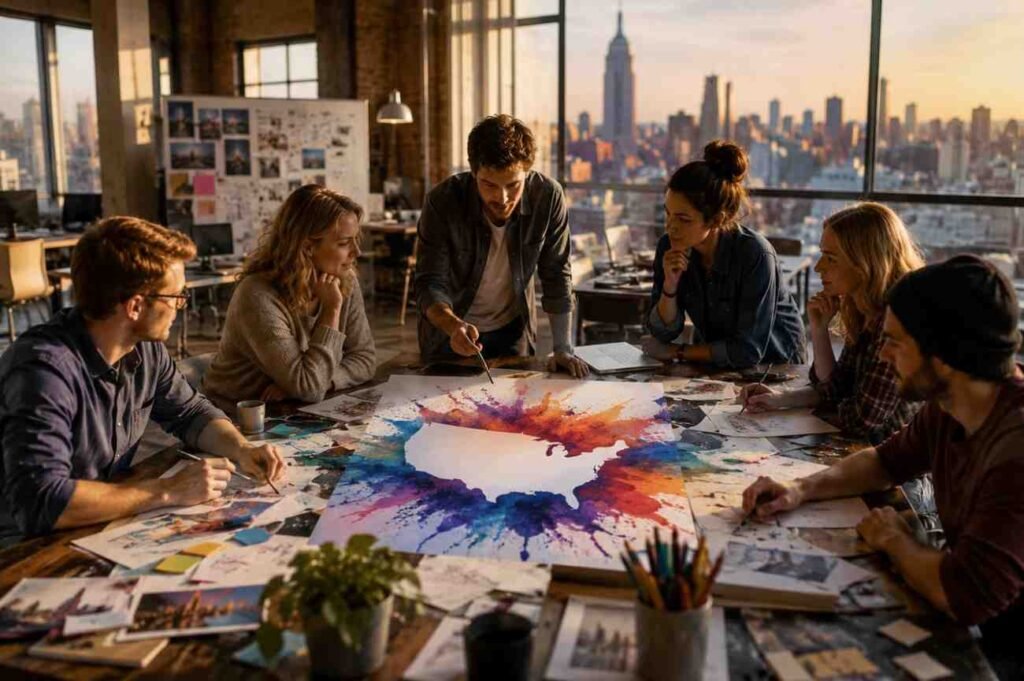
Participatory storytelling gives cameras, sketchbooks and creative control to people directly affected by an issue. Instead of being spoken for, communities shape their own narratives
This approach builds trust because it values lived experience. It also challenges extractive storytelling, where outsiders collect pain without giving people power over representation
For nonprofits, this is strong E-E-A-T practice. It shows experience, expertise, authority, and trust through community-led truth.
How To Use Visual Storytelling Activism
Here is a simple way to create visuals that are ethical, focused, and built for action

Start with one issue and one audience. Decide exactly what people need to understand and what you want them to do afterward. A visual with one clear purpose works better than one trying to say everything.
Next, choose one human angle. Find a face, place, object, moment, or contrast that reveals the bigger issue. This could be a flooded street, an empty classroom, a handmade sign, or a quiet portrait.
Then match the story to the right medium. Use photography when reality needs to be witnessed. You can use illustration when the issue needs simplification. Use film when voice, movement, and sequence create stronger emotion.
After that, add context. Write captions, subtitles, alt text, and calls to action that explain what viewers are seeing and why it matters. Never assume the image alone carries the message.
Finally, publish with care. Share the visual where your audience gathers, on Instagram, a newsletter, a wall, or a campaign page. Track shares, saves, comments, sign-ups, donations, and offline responses.
Ethics And Impact
- Trust is the foundation of every activist story, especially when people’s lives, identities, and safety are involved.
- Consent should be clear and informed. People should know where their image or story may appear, how it may be used, and whether it could be reshared.
- Avoid trauma-first storytelling. Pain may be part of the truth, but people are more than hardship.
- Strong visual storytelling activism shows dignity, agency, leadership, and hope alongside injustice.
- Accuracy matters too. Verify claims, locations, dates, image sources, and statistics. Track meaningful actions like shares, saves, signatures, donations, turnout, and feedback.
- To study examples, explore Pulitzer Center photo projects or illustration resources from arts publications like Elephant Art.
Frequently Asked Questions
1. What Is Visual Storytelling Activism?
Visual storytelling activism uses images, design, film, and art to communicate social or environmental issues in ways that build empathy, awareness, and action.
2. Why Does Visual Storytelling Activism Work?
It works because visuals create fast emotional connection, simplify complex issues, cross language barriers, and make advocacy easier to share online and offline.
3. Is Photography As Activism Still Relevant?
Yes. Photography as activism remains powerful because it documents real conditions, reveals injustice, and helps audiences connect with affected people.
4. How Can Beginners Start?
Start with one cause, one story, one visual format, and one clear call to action. Keep the message honest, respectful, and easy to understand.
Final Frame: Let The Visual Do Good Work
Visual storytelling activism is not just about making people look. It is about helping them feel, understand, remember, and respond. With ethical choices, strong visuals, and clear action steps, your story can move from a screen, wall, or camera into real social change.