
People have become unusually good at spotting forced marketing. Most audiences can tell when a campaign was built only to chase attention, trends, or algorithms. Perfectly polished ads do not automatically create loyalty anymore. In many cases, they create distance. That shift is exactly why creative media storytelling has become one of the strongest trust-building tools in modern branding.
What feels different now is the emotional texture behind the content. Brands that are connecting with audiences are not acting like untouchable corporations. They are showing process, mistakes, values, employee voices, community stories, and real-world tension. Audiences are responding because the communication feels human instead of manufactured. Trust is no longer built through visibility alone. It is built through emotional consistency.
Why Traditional Brand Messaging Is Losing Impact

Audiences Are Overloaded With Content
Consumers scroll through thousands of marketing messages every week. Most of them blend together. Generic taglines, recycled visuals, and overproduced scripts no longer hold attention the way they once did.
People want content that feels lived-in. They want stories with emotional friction, personality, and honesty. That is where creative media storytelling changes the dynamic. Instead of focusing only on selling a product, brands are creating narratives people can emotionally step into.
Trust Has Become More Valuable Than Reach
A viral campaign may create short-term visibility, but trust creates repeat attention. That difference matters more than ever because digital audiences have become skeptical of polished advertising language.
Brands are now shifting toward:
- behind-the-scenes storytelling
- employee-led content
- documentary-style campaigns
- creator collaborations
- customer-centered narratives
These formats feel more believable because they reduce the distance between the brand and the audience.
The Shift From Corporate Voice to Human Presence

Brands Are Showing Vulnerability
One of the biggest changes in digital storytelling is the move away from rigid corporate personas. Modern audiences respond better when brands acknowledge challenges, failures, or learning experiences openly.
That honesty creates emotional credibility. It also makes content feel less scripted.
Some of the strongest storytelling campaigns today focus on:
- how products are actually made
- internal company culture
- founder struggles
- ethical sourcing realities
- customer frustrations
This creates a relationship instead of a transaction.
Transparency Is Becoming Part of Brand Identity
Radical transparency has become a defining feature of modern brand storytelling. Companies are realizing that audiences want to understand what happens behind the polished surface.
This includes:
- real production processes
- sustainability practices
- creative development stages
- employee experiences
- supply chain conversations
When audiences can see the operational side of a company, trust becomes easier to build because the brand feels accountable.
Creative Media Storytelling Works Because It Feels Participatory
Audiences Want To Be Part of the Narrative
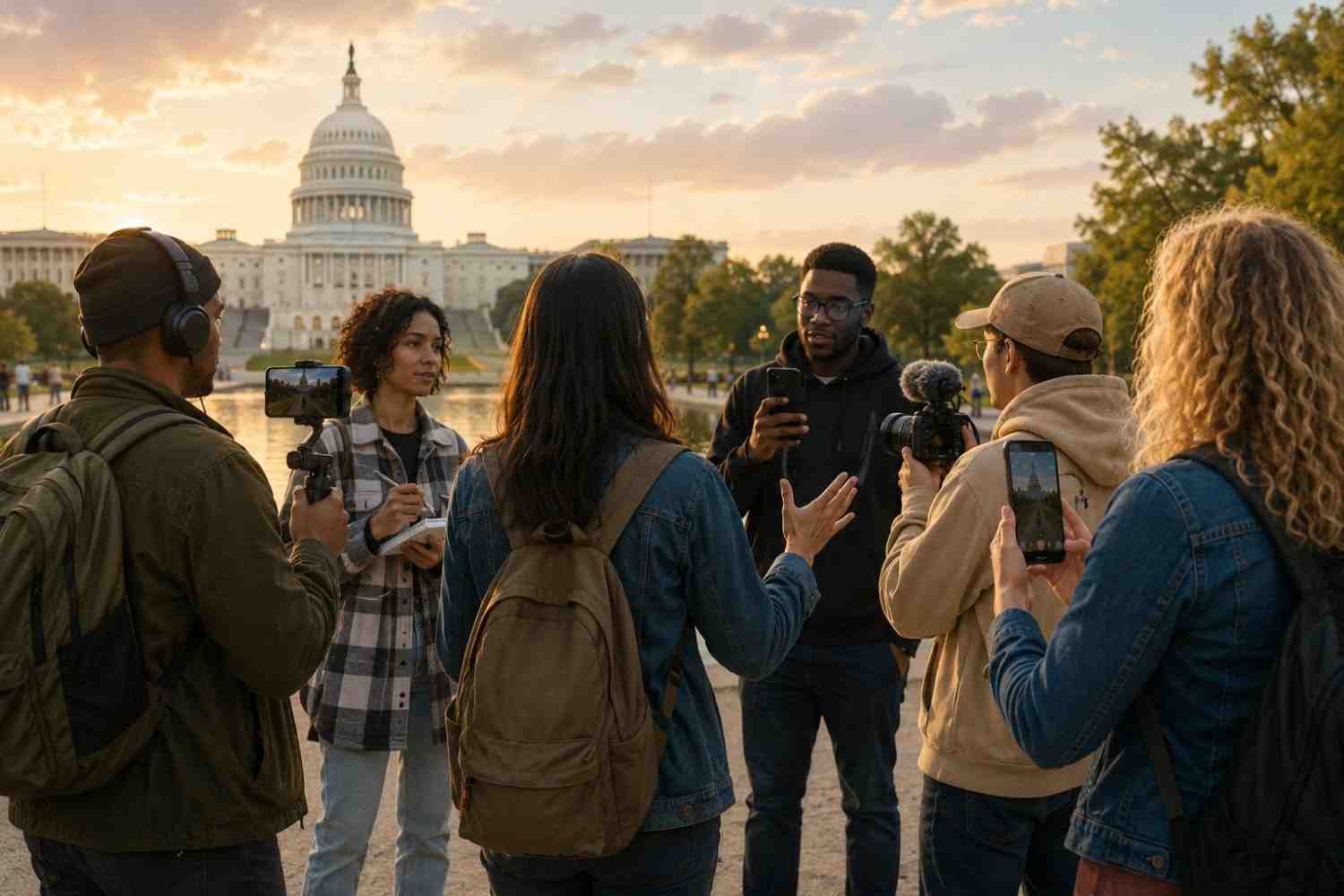
Traditional advertising treated consumers like spectators. Modern storytelling treats them like contributors.
That is why user-generated content, community storytelling, and creator-led campaigns are becoming so effective. People trust experiences shared by other people far more than scripted corporate messaging.
Strong brands now position the customer as the central character while the company acts as a guide supporting their journey. That subtle shift changes the emotional tone completely.
Community-Driven Content Feels More Authentic
Brands are increasingly giving visibility to:
- customer videos
- employee blogs
- creator collaborations
- community events
- organic testimonials
This decentralizes authority in a way that feels more believable. Instead of constantly speaking about themselves, brands allow real experiences to shape the narrative.
It also creates stronger audience engagement because people feel represented rather than targeted.
Visual Storytelling Has Become a Trust Signal

Production Quality Now Reflects Credibility
Modern storytelling is no longer just about words. Visual architecture matters just as much as messaging. Color grading, pacing, framing, sound design, and editing style all influence how trustworthy a brand feels.
Low-effort corporate visuals often create emotional disconnection. Meanwhile, cinematic storytelling creates immersion.
That does not always mean expensive production. It means intentional production.
Brands investing in:
- documentary-style visuals
- thoughtful audio
- immersive editing
- emotionally grounded visuals
- modern creative graphics
We are building stronger emotional recall because the storytelling feels crafted rather than automated.
Multi-Sensory Media Is Expanding Engagement
Many companies are moving beyond static campaigns into interactive storytelling experiences. Short-form videos, immersive websites, AR filters, and episodic social content are changing how audiences interact with brand narratives.
The goal is no longer passive viewing. It is emotional participation.
That is why serialized storytelling formats are growing rapidly across digital platforms. People return when they feel emotionally invested in an ongoing narrative.
The Most Trusted Brands Maintain Narrative Consistency
Consistency Creates Emotional Familiarity
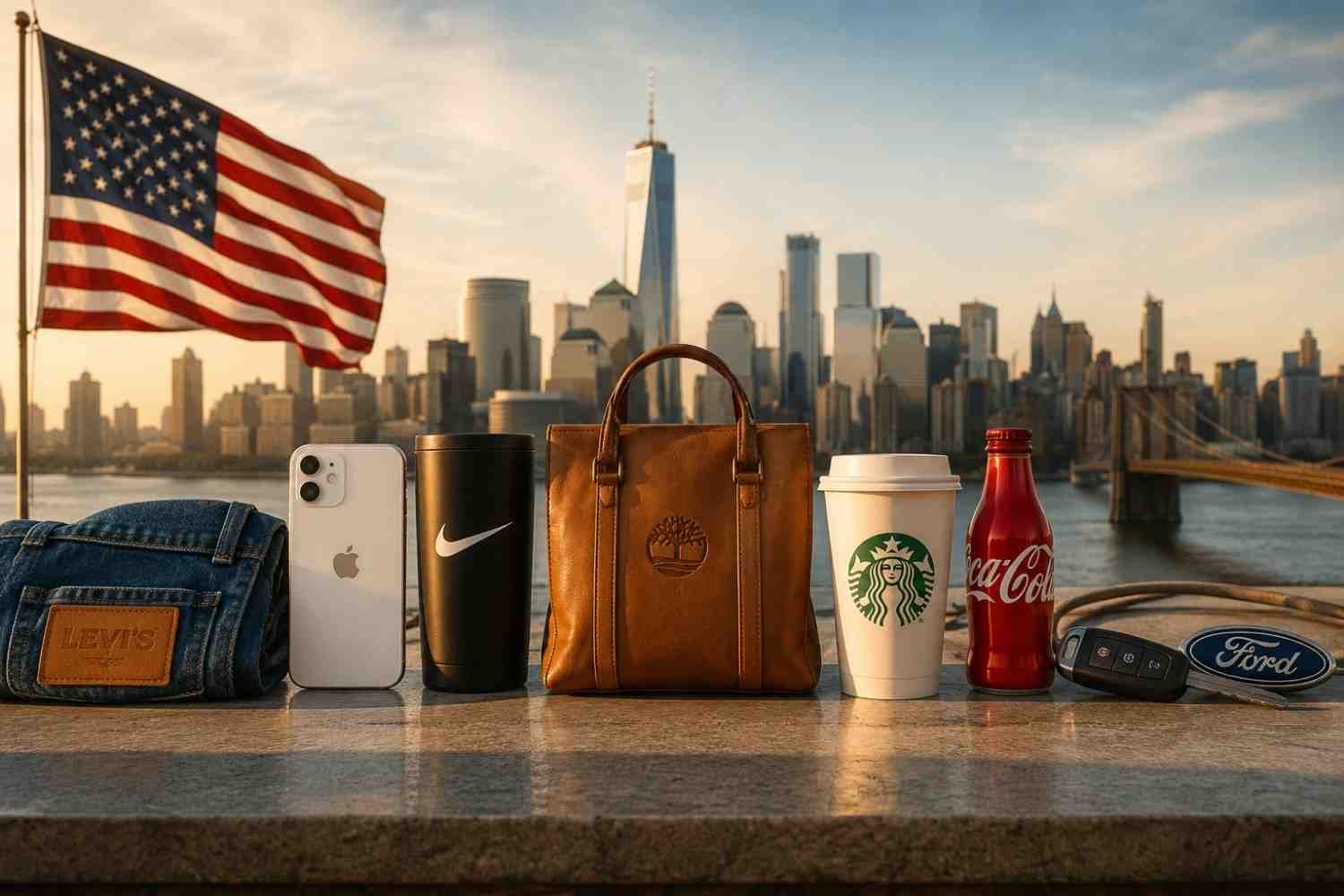
One mistake many brands still make is changing tone across platforms. Audiences notice when messaging feels disconnected between video content, websites, social media, and campaigns.
Strong creative media storytelling depends on cross-platform harmony.
That includes:
- visual consistency
- emotional consistency
- narrative alignment
- recognizable voice
- shared values across channels
Consistency makes audiences feel secure because the brand identity remains stable regardless of where they encounter it.
Storytelling Must Match Real Brand Behavior
Audiences now verify everything. If a company promotes ethical messaging while acting differently behind the scenes, the disconnect spreads quickly online.
That is why storytelling can no longer function separately from operational reality.
The strongest trust-building brands align storytelling with:
- workplace culture
- customer support
- public communication
- creator partnerships
- community involvement
When narrative and behavior match, loyalty becomes much stronger.
AI Content Has Increased the Demand for Human Storytelling

Audiences Are Craving Imperfection Again
As AI-generated content becomes more common, audiences are becoming more sensitive to emotional flatness. Perfectly optimized messaging often feels empty because it lacks lived experience.
This is creating a surprising shift. Brands are leaning back into:
- raw storytelling
- human voices
- imperfect visuals
- candid interviews
- unscripted moments
Authenticity is becoming a competitive advantage again.
Human Emotion Still Drives Loyalty
Technology can improve production speed, but emotional connection still depends on human insight. The brands building lasting trust understand that storytelling is not about sounding perfect. It is about sounding believable.
That difference is shaping the future of digital branding.
FAQs: How Brands Are Building Trust Through Creative Media Storytelling
1. What is creative media storytelling?
Creative media storytelling is the use of visual, emotional, and narrative-driven content across digital platforms to create a stronger audience connection and brand trust.
2. Why does storytelling help brands build trust?
Storytelling creates emotional familiarity. People trust brands more when communication feels honest, relatable, and centered around real experiences instead of direct selling.
3. What platforms work best for creative media storytelling?
Short-form video platforms, podcasts, documentary-style content, social media series, community blogs, and immersive websites are currently some of the strongest storytelling channels.
4. How can smaller brands use storytelling effectively?
Smaller brands can focus on transparency, founder experiences, customer stories, and community engagement instead of expensive production. Authenticity often performs better than perfection.
Final Thoughts
Creative media storytelling is no longer a branding trend sitting on the edge of marketing culture. It has become one of the clearest ways audiences decide whether a company deserves attention and loyalty. People want stories that feel emotionally grounded, visually intentional, and ethically believable. They want brands that understand human behavior instead of simply optimizing for clicks. That is why relational storytelling is replacing transactional advertising across modern media spaces.
The brands creating lasting trust are not trying to appear flawless. They are trying to appear real. That shift is changing digital communication faster than most companies expected.