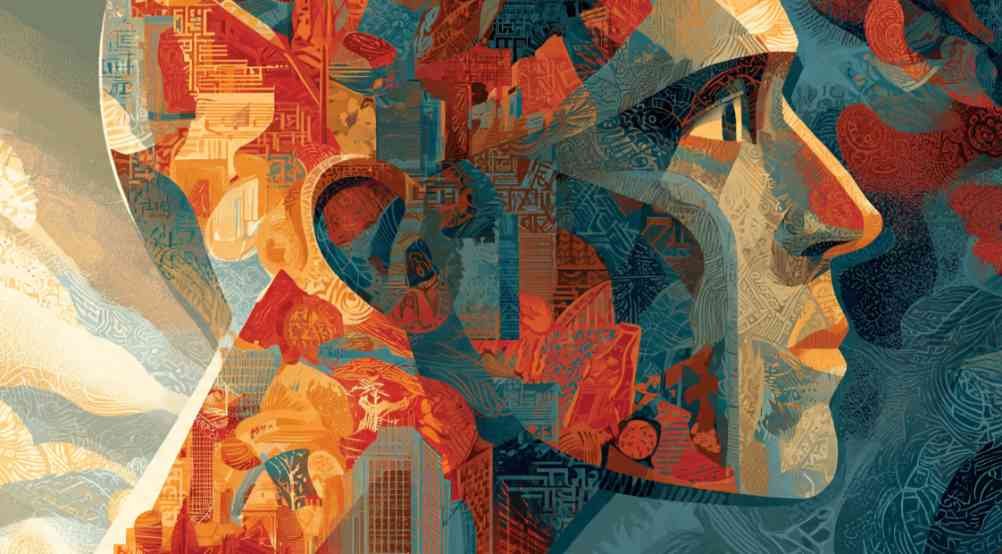
I understood how culture shapes identity most clearly when I noticed how differently I behaved in different rooms. With family, I valued respect, tradition, and responsibility. With friends, I leaned into choice, humor, and independence. Neither version felt fake. Both came from culture.
Culture shapes identity by giving us the first language for belonging. It teaches us what counts as polite, successful, shameful, beautiful, responsible, or rebellious. Sociologists often describe culture through shared symbols, language, values, norms, and artifacts, which all influence how people interact and understand the world.
Why Culture Becomes the First Mirror of Identity

Before we choose our style, career, beliefs, or friendships, culture already gives us a starting point. It tells us how birthdays are celebrated, how elders are addressed, how conflict is handled, and how emotions are expressed.
That is why identity never forms in isolation. We build it through repeated messages from family, school, religion, neighborhood, media, and community. Over time, those messages become inner rules. Some help us feel grounded. Others make us question where we fit.
Culture does not control every part of identity, but it gives us the first script. Later, we edit that script through experience.
How Culture Shapes Identity Through Family and Social Norms
Family is often the first place we learn identity. I have seen how simple household rules can shape a person’s self-image. A child raised to speak only when spoken to may connect respect with silence. Another child raised to ask questions may connect confidence with curiosity.
Individual Identity vs. Collective Identity
In many Western settings, identity often centers on personal goals, independence, and self-expression. In many Asian, African, and Latin American communities, identity may connect more strongly to family roles, community duty, and shared reputation.
Neither model is automatically better. They simply train the self differently. One asks, “Who am I as an individual?” The other may ask, “Who am I in relation to my people?”
This difference explains why two people can define success in opposite ways. One may see success as moving away and building a separate life. Another may see success as supporting family and staying connected to cultural roots.
Social Approval and the Self We Learn to Show
Culture rewards certain behaviors and discourages others. That reward system shapes identity quietly.
If a community praises emotional control, a person may learn to hide sadness. If a community praises bold speech, a person may learn to speak up quickly. If a culture values academic achievement, a child may attach self-worth to grades.
This is one reason cultural heritage and identity belong together. Heritage is not only ancestry. It is the living pattern of expectations, values, and memory that teaches people who they are allowed to become.
How Language, Food, Rituals, and Beliefs Build Identity
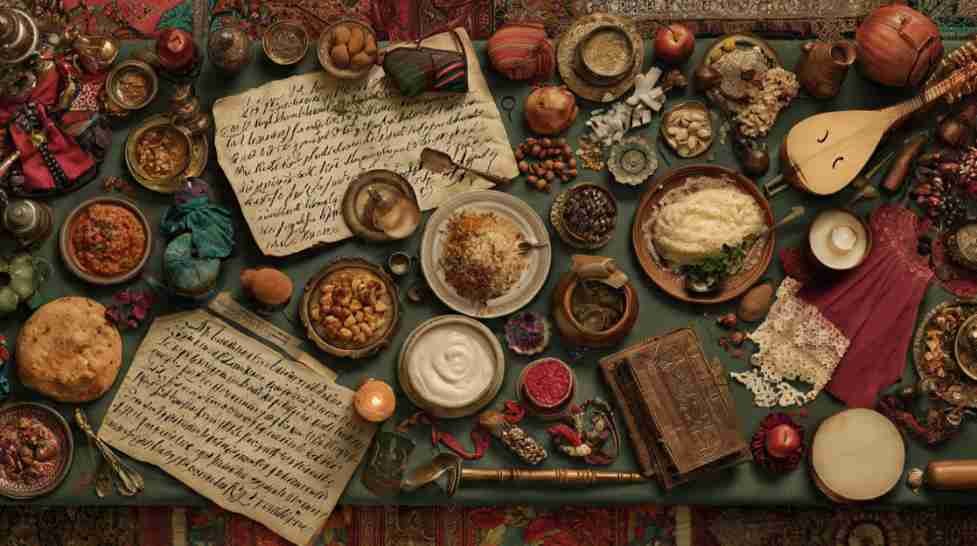
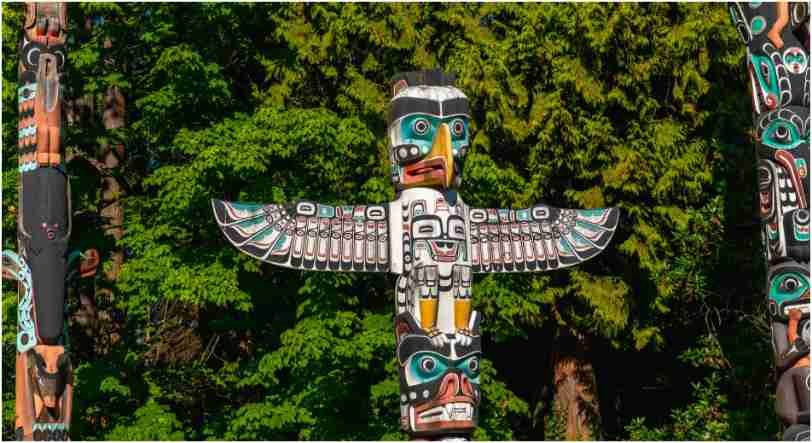
Culture becomes powerful because it does not stay abstract. It enters everyday life through words, meals, holidays, clothing, music, prayer, humor, and manners.
Language Shapes How We Name Experience
Language gives people more than vocabulary. It gives them emotional categories. Research on language, culture, and thought shows that these three areas interact in complex ways. Culture can affect language, language can affect thought, and both shape how people understand experience.
For example, some languages have specific words for emotions, family roles, or social respect that English may not capture cleanly. When people switch languages, they may also switch tone, confidence, or emotional distance.
That is why language loss can feel like identity loss. A person may still know their background, but they may feel disconnected from the emotional rhythm of it.
Rituals Turn Belonging Into Memory
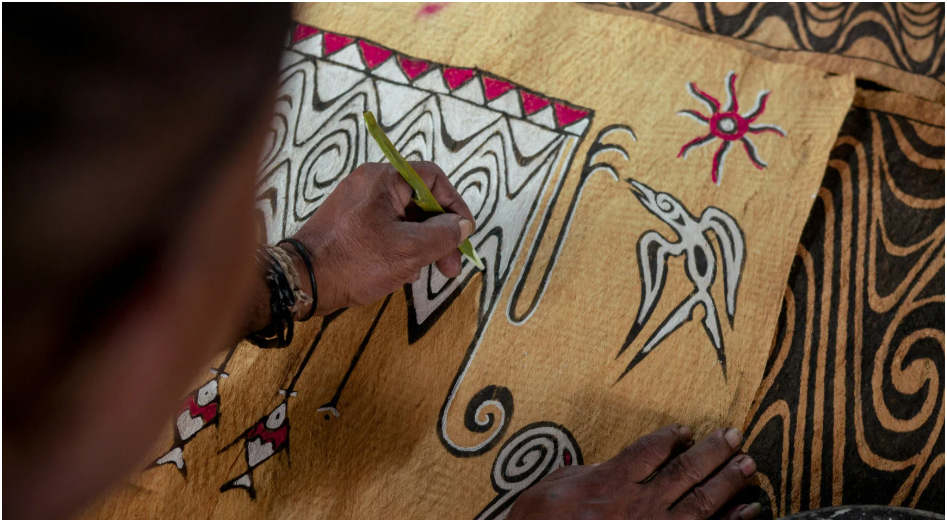
Food, holidays, and rituals make identity tangible. A family recipe can carry history. A religious festival can connect generations. A wedding custom can show what a community values.
I think rituals matter because they turn culture into muscle memory. You do not just believe you belong. You taste it, sing it, wear it, repeat it, and pass it on.
Belief systems also shape identity by defining right and wrong. Religion, spirituality, and moral traditions influence how people understand purpose, responsibility, forgiveness, and community.
How Biculturalism Affects a Person’s Identity

To understand how biculturalism affects a person’s identity, think of someone who grows up between two cultural worlds. They may speak one language at home and another at school. They may follow family traditions privately but adapt to mainstream norms publicly.
This does not create a weaker identity. Often, it creates a more flexible one.
Cultural Frame Switching in Daily Life
Bicultural people often practice cultural frame switching. They adjust communication style, body language, humor, and decision-making based on context.
At home, they may prioritize family harmony. At work, they may practice direct self-advocacy. With elders, they may show formality. With peers, they may use casual confidence.
This switching can become a strength. It builds social awareness, empathy, and flexibility. Research on bicultural identity and well-being has found that bicultural identity can relate to multiple psychological outcomes, including self-esteem, life satisfaction, and social adaptation.
When Two Cultures Become One Hybrid Self
Some bicultural people reach high Bicultural Identity Integration. That means they see both cultures as compatible. They do not feel forced to choose one side. They create a hybrid identity that feels whole.
Others experience low integration. They feel caught between expectations. They may feel too traditional in one space and too modern in another. That “in-between” feeling can create identity pressure.
The key difference is harmony versus conflict. Two cultures can expand identity, but only when the person has room to honor both.
How It Impacts Mental Health and Well-Being
The question of how it impacts mental health and well-being depends on the person’s cultural environment. Culture can protect mental health, but it can also create stress.
When Culture Protects Mental Health
A strong cultural identity can give people belonging, meaning, and emotional support. Shared customs can reduce loneliness. Community ties can help people feel seen.
For bicultural people, successful integration can build resilience. Studies on Bicultural Identity Integration suggest that harmony between cultural identities may relate to lower psychosocial stress and better adjustment.
This makes sense in daily life. When someone feels proud of both cultures, they gain more than identity. They gain more ways to solve problems, connect with others, and understand themselves.
When Culture Creates Identity Stress
Culture can also pressure people. Acculturative stress happens when someone must adjust to a new or dominant culture while managing expectations from their heritage culture.
For example, a young adult may feel pressure to choose a career that honors family sacrifice while also wanting personal freedom. Another person may face discrimination for their accent, food, clothing, or customs.
A 2024 review found significant links between acculturative stress and mental health concerns such as depression, anxiety, eating disorders, and substance misuse.
That is why identity conflict should not be dismissed as “just confusion.” It can affect sleep, confidence, relationships, and emotional safety.
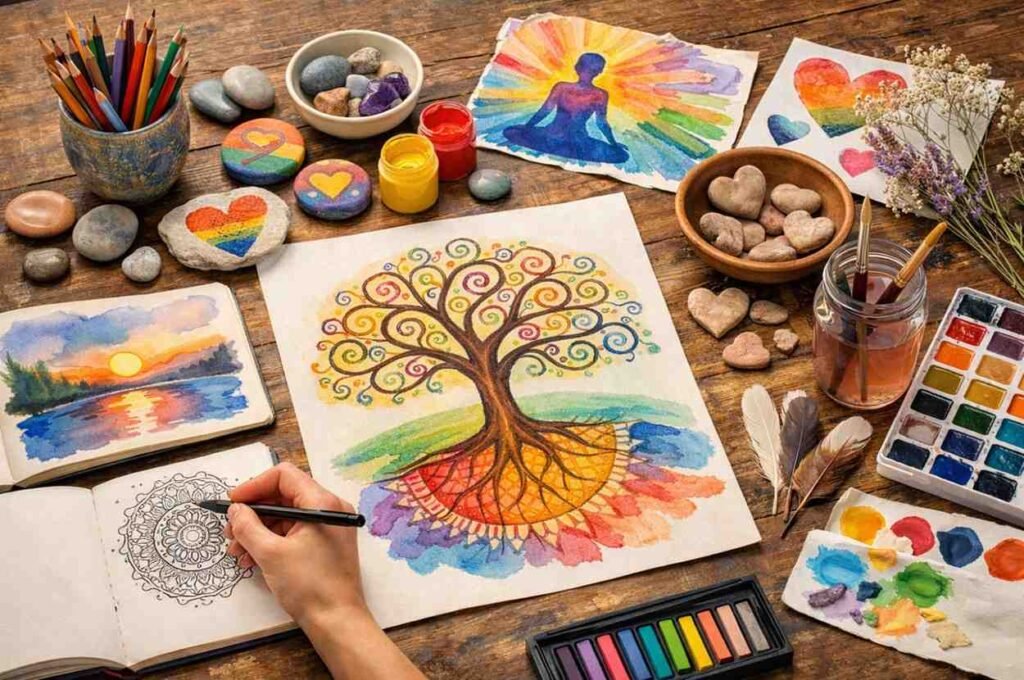
A Simple Identity Audit I Use to Understand Cultural Influence
When I want to understand how art reflects culture in the world identity in a practical way, I use a simple three-question audit.
First, I ask: “What did my culture teach me to value?” The answer may be respect, freedom, education, faith, loyalty, privacy, ambition, or service.
Second, I ask: “Which parts still feel true to me?” This separates inherited identity from chosen identity.
Third, I ask: “Which parts create pressure?” This reveals where culture supports me and where it may limit me.
For example, someone may value family closeness but feel drained by constant obligation. Another person may love independence but miss the warmth of community. This audit helps readers see identity as a living relationship with culture, not a fixed label.
FAQs
1. What is the main way culture shapes identity?
Culture shapes identity mainly through socialization. Family, school, language, religion, media, and community teach people what behaviors, values, and roles matter. Over time, those lessons influence self-image and belonging.
2. How does language affect cultural identity?
Language affects cultural identity by shaping how people express emotion, respect, humor, memory, and relationships. Losing or switching language can change how connected someone feels to their heritage.
3. How does biculturalism affect a person’s identity?
Biculturalism affects identity by asking a person to balance two cultural systems. Some people blend both into a strong hybrid identity. Others feel conflict when family expectations and mainstream norms clash.
4. How does it impact mental health and well-being?
It can improve well-being when culture creates belonging, pride, and support. It can harm mental health when cultural conflict, discrimination, or acculturative stress causes anxiety, loneliness, or identity confusion.
Final Take: Your Identity Has More Than One Accent
How culture shapes identity is not a simple story of background or tradition. It is the story of how we learn to belong, speak, choose, love, succeed, and heal.
I believe the healthiest identity is not the one that copies culture without question. It is the one that respects its roots while making room for growth. Start by naming what your culture gave you, what you want to keep, and what you are ready to rewrite.