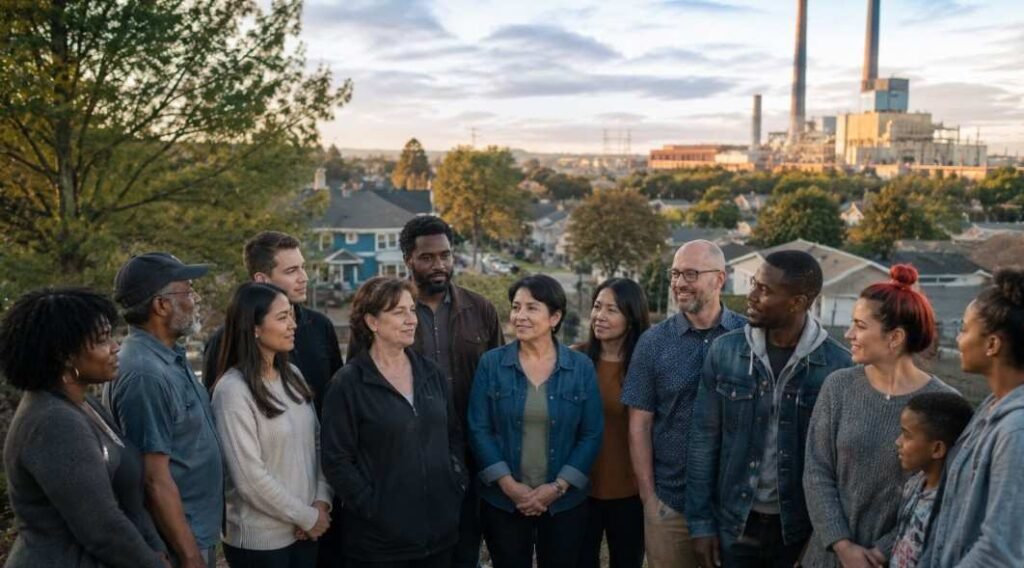
Clean air should feel ordinary, not like a privilege. The phrase what is environmental racism helps us name a painful truth: some neighborhoods carry more pollution, toxic waste, and climate risk because racism shapes housing, construction, and whose concerns get heard.
What Is Environmental Racism?
Explaining the meaning in simple, real-world language so the issue feels clear, not complicated.
Simple Meaning
Environmental racism is the disproportionate exposure of marginalized racial, ethnic, and low-income communities to environmental hazards, pollution, and toxic waste. It shows up when Black, Indigenous, Latino, Asian, immigrant, and working-class neighborhoods are placed closer to landfills, incinerators, refineries, highways, chemical plants, and contaminated water.
The term was coined in 1982 by Dr. Benjamin Chavis during the early environmental justice movement. It describes systemic discrimination in policy-making, facility siting, zoning, investment, and enforcement. In everyday terms, it means some communities are treated as sacrifice zones while others are protected.
Why It Matters
This is not only about dirty air or unsafe water. It is about health, power, housing, race, and whose life gets valued. Environmental racism can raise rates of asthma, cancer, pregnancy complications, heart disease, stress, and lower life expectancy because exposure is unequal.
Environmental justice is the answer to this harm. It asks for equal protection, social responsibility, fair decision-making, community involvement, and healthy environments for everyone.
Key Aspects Of Environmental Racism
These core patterns explain how unfair environmental harm becomes normal in public systems.
Targeted Siting
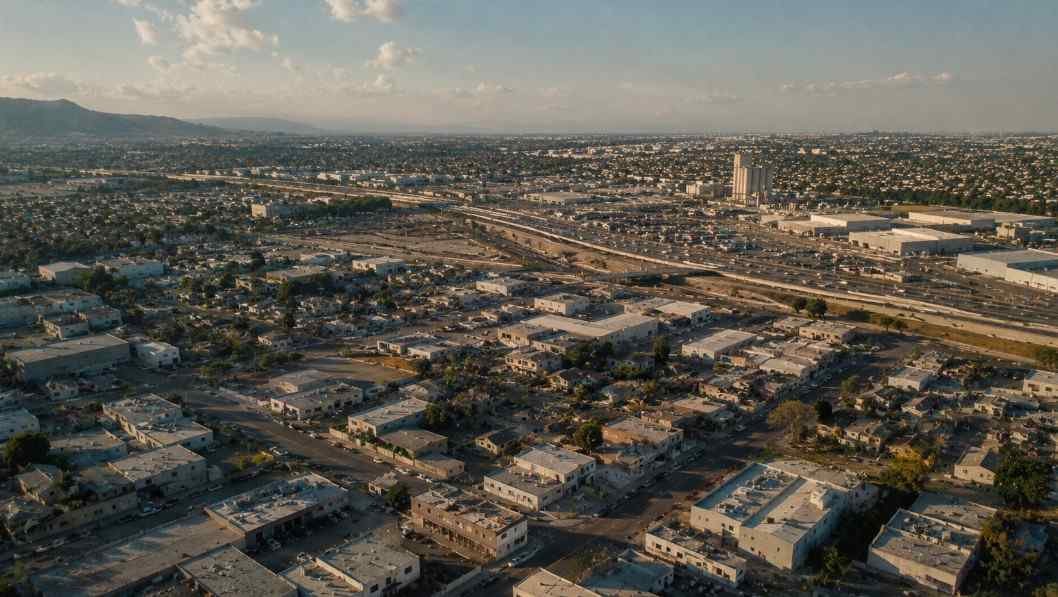
Hazardous facilities often land where residents have less political power. Landfills, incinerators, waste sites, chemical plants, warehouses, ports, and oil refineries may be approved near communities of color because officials expect less resistance or choose not to listen.
This is why environmental racism is structural, not accidental. A single facility may look like planning. A cluster of polluting sites beside the same communities shows a pattern of unequal protection and environmental burden.
Lax Enforcement
Environmental laws may exist on paper, but enforcement can be weaker in marginalized neighborhoods. Complaints may be ignored, inspections delayed, fines reduced, and polluters allowed to operate despite reports of odors, illness, smoke, leaks, or unsafe water.
That gap between law and action creates distrust, fear, anger, and preventable harm. It also weakens democracy for everyone. People should not have to become scientists, lawyers, and activists just to prove their children deserve breathable air and clean drinking water.
Systemic Inequity
Environmental racism grows from older discrimination, including redlining, exclusionary zoning, segregation, underfunded infrastructure, and exclusion from planning. These policies shaped where highways were built, where industries expanded, and where parks and tree cover disappeared.
The damage continues across generations. A redlined neighborhood may still have hotter streets, older pipes, fewer clinics, more truck traffic, and weaker protection during disasters.
Health And Daily Life Impacts
Pollution is never just background noise when it shapes bodies, routines, and futures.
Health Disparities
People living near pollution often face higher cancer risk, respiratory illness, asthma, headaches, skin irritation, heart problems, and reduced life expectancy. Children are especially vulnerable because their lungs, brains, and immune systems are still developing.
Research has shown that people of color in the United States carry a higher health burden from particulate pollution than the general population. For Black individuals, that burden has been estimated as much as 54 percent higher. This makes environmental racism a public health crisis.
Family And Community Stress
The harm is emotional too. It is exhausting to wonder whether tap water is safe, whether a strange smell is dangerous, or whether officials will dismiss another complaint. Families live with uncertainty that wealthier communities rarely have to carry.
Community stress grows when people feel trapped by low property values, unaffordable moves, weak healthcare access, or fear of retaliation. Social change must address both toxic exposure and the stress of being ignored.
Examples And Context
These examples show how environmental racism appears in different places but follows the same unfair logic.
Cancer Alley
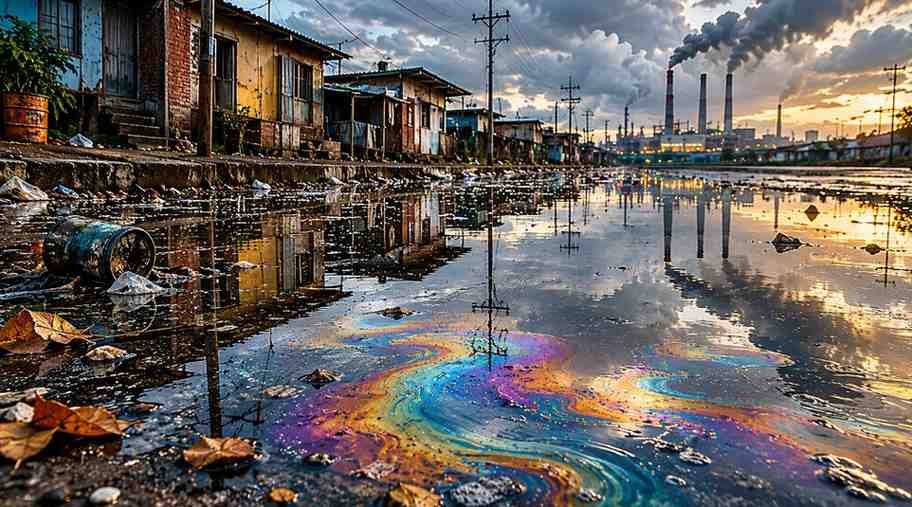
Cancer Alley is an 85-mile stretch along the Mississippi River in Louisiana with a heavy concentration of petrochemical plants and refineries. Many nearby communities are predominantly Black, and residents have long raised concerns about cancer risk, air pollution, and industrial expansion.
This case shows how economic development can become harmful when local people are not protected. Jobs matter, but no community should be asked to trade health for industry.
Asthma Alley
Asthma Alley refers to the South Bronx in New York City, where highways, trucking routes, warehouses, and industrial activity contribute to serious air pollution. Many residents are people of color and low-income families.
High asthma rates there show how transportation planning can become a racial justice issue. A road is not just a road when its fumes shape children’s breathing and school attendance.
Flint Water Crisis
The Flint, Michigan water crisis exposed residents of a majority-Black city to lead-contaminated water after a government decision changed the water source without proper corrosion control. Residents raised concerns, but many were dismissed before the crisis gained national attention.
Flint remains one of the clearest examples of environmental racism because it combined unsafe infrastructure, government neglect, public health harm, and a community forced to fight to be believed.
What Is Environmental Racism In Real Life?
Turning problems into action for readers who want change, not just awareness.
Spot The Pattern
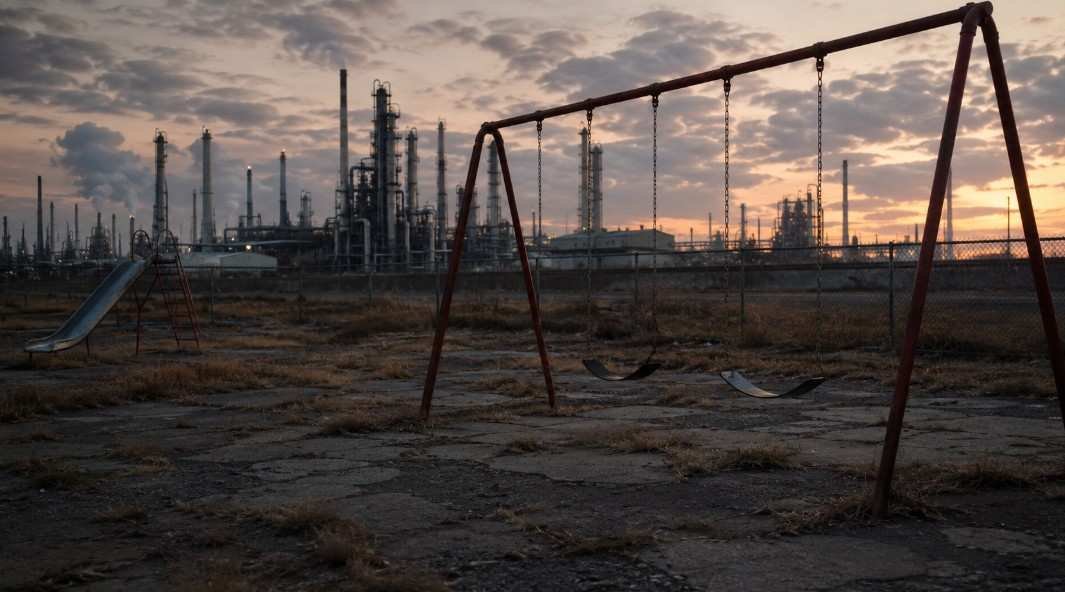
Start by looking at who lives closest to pollution. Notice where factories, highways, waste sites, flood zones, heat islands, and contaminated water systems are located. Then ask who gets parks, trees, clean transit, and fast government response.
Patterns matter because environmental racism is rarely announced. It hides in maps, permits, zoning hearings, budget choices, and ignored maintenance. Seeing the pattern is the first step toward challenging it.
Listen First
Community members closest to the harm are the experts. They know which blocks flood, which smells cause headaches, which children need inhalers, and which agencies stopped answering calls. Good activism begins by human storytelling for impact and listening before leading.
Support neighborhood groups, tribal leaders, youth organizers, tenant unions, health advocates, and local environmental justice coalitions. Share their work, attend meetings, donate skills, and avoid speaking over people already doing the hard work.
Push For Change
Action can begin with public comments, city council meetings, water testing, air monitoring, petitions, voter education, legal support, and pressure on agencies to enforce environmental laws. Small steps can become powerful when communities act together.
Real solutions include stronger pollution limits, cumulative impact reviews, clean water investment, zoning reform, safer housing, tree planting without displacement, accessible public data, and fair enforcement in every neighborhood.
Frequently Asked Questions
1. What Is Environmental Racism For Kids?
Environmental racism means some kids live closer to dirty air, unsafe water, or pollution because of unfair rules and racism. Every child deserves a clean, safe, healthy neighborhood.
2. What Are The Four Different Types Of Racism?
The four common types are individual racism, interpersonal racism, institutional racism, and structural racism. Environmental racism often comes from institutional and structural racism in housing, zoning, pollution, and enforcement.
3. What Are Some Examples Of Environmental Racism In Canada?
Examples include Africville in Nova Scotia, mercury contamination affecting Grassy Narrows First Nation, and pollution near Aamjiwnaang First Nation in Ontario’s Chemical Valley.
4. Why Is Environmental Justice Important?
Environmental justice protects communities from unequal pollution and gives residents a voice in decisions. It supports clean air, safe water, healthier homes, and fair treatment for every neighborhood.
Clean Air & Big Change
What is environmental racism is more than a search question. It is a call to notice who gets harmed, who gets heard, and who gets protected. Real change begins when communities demand clean air, safe water, fair laws, and a healthy future for everyone.