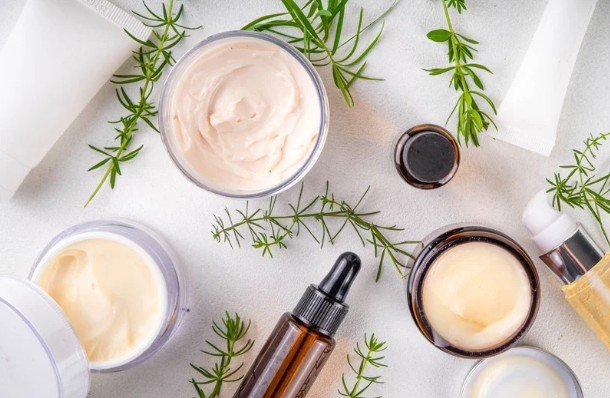
Buying better beauty was as simple as choosing anything labeled “natural,” “clean,” or “green.” Then I started reading labels more carefully and realized that many products sound responsible without proving much. That is why Ethical Beauty Products matter. They help you look beyond pretty packaging and choose skincare, makeup, haircare, and body care that respect people, animals, and the planet.
The beauty aisle can feel overwhelming, especially when every brand claims to be cleaner, safer, kinder, or more sustainable. A good ethical routine does not mean replacing everything overnight. It means learning what to check, what to question, and which swaps make the biggest difference.
What Makes a Beauty Product Ethical?
An ethical beauty product is not just one that uses plant-based ingredients. It should also consider how ingredients are sourced, whether animals were harmed, how workers are treated, how packaging is made, and whether the brand is honest about its claims.
A product may be cruelty-free, but that does not always mean it is vegan. A product may be vegan, but that does not automatically mean it uses sustainable packaging. A product may be “natural,” but that word alone does not prove safety, fairness, or environmental responsibility.
That is why ethical beauty is best understood as a full picture. It includes cruelty-free testing policies, responsible ingredient sourcing, fair labor practices, low-waste packaging, safer formulas, and clear brand transparency.
Ethical Beauty vs Clean Beauty vs Vegan Beauty
Clean beauty usually focuses on ingredients and formula safety. It may avoid certain synthetic chemicals, fragrances, parabens, or harsh preservatives. However, “clean” is not always legally defined, so brands may use it loosely.
Vegan beauty means a product does not contain animal-derived ingredients such as beeswax, lanolin, carmine, collagen, or honey. However, vegan does not always mean cruelty-free unless the brand also avoids animal testing.
Cruelty-free beauty means the product and its ingredients are not tested on animals. This is one of the most important claims to verify because some brands use vague wording that sounds kind but lacks proof.
Sustainable beauty focuses on packaging, production, refills, recyclable materials, plastic reduction, and lower environmental impact. The strongest products often combine several of these qualities instead of relying on one claim.
How to Avoid Greenwashing in Beauty
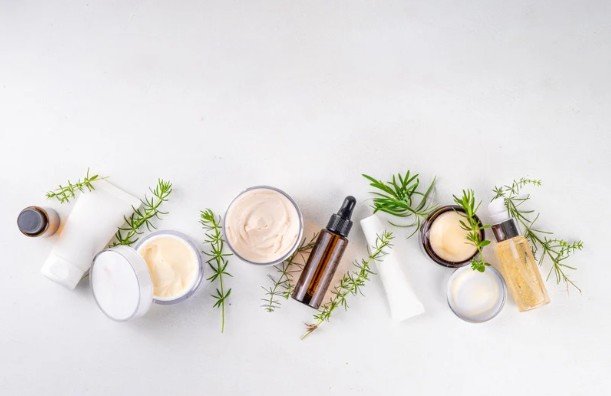
Greenwashing happens when a product looks more ethical than it really is. A bottle may be beige, leafy, recyclable-looking, or covered in words like “pure,” “earth-friendly,” and “conscious,” but none of that matters without proof.
The easiest way to avoid greenwashing is to look for specific claims. Instead of trusting “kind to nature,” check whether the packaging is refillable, recyclable, compostable, or made with post-consumer recycled material. Instead of trusting “animal-friendly,” look for cruelty-free certification or a clear animal testing policy.
I also like to check the brand’s website. A trustworthy brand usually explains its sourcing, packaging, certifications, ingredient choices, and testing policies clearly. If the information is hard to find, vague, or hidden behind emotional marketing, that is a warning sign.
Best Ethical Beauty Swaps to Start With
If you are building a better routine, start with products you use every day. These swaps are easier to maintain and create more long-term impact. A gentle cleanser is a good first step because it touches your skin daily. Look for simple formulas, refill options, or brands that avoid unnecessary fragrance.
A moisturizer is another smart swap. Choose one that matches your skin type and comes from a brand with clear ingredient and animal testing policies. Sunscreen matters too. Choose formulas that work well for your skin tone and lifestyle while checking whether the brand explains its safety and sustainability standards.
Makeup swaps can begin with mascara, foundation, blush, or lipstick. These are often high-use products, so choosing cruelty-free or vegan options can make your routine feel more aligned with your values. Haircare is also important. Shampoo bars, refillable shampoo, conditioner bars, and low-waste styling products can reduce plastic without making your routine complicated.
Body care is often overlooked, but deodorant, soap, lotion, razors, and lip balm are easy places to choose better packaging and gentler ingredients.
Certifications That Can Help You Shop Better
Certifications are not perfect, but they can make shopping easier. Leaping Bunny is commonly used for cruelty-free verification. Vegan certifications can help confirm that products avoid animal-derived ingredients. Organic certifications may matter for certain ingredient-focused products. The Forest Stewardship Council labels can be helpful for paper packaging. Fair trade labels can support better sourcing practices for ingredients like shea butter, cocoa butter, coconut oil, and botanicals.
Still, do not rely on logos alone. Some smaller ethical brands may not afford expensive certifications but still have strong practices. In that case, transparency matters. A brand should clearly explain what it does, how it sources ingredients, and how it supports ethical production.
Are Ethical Products Always More Expensive?
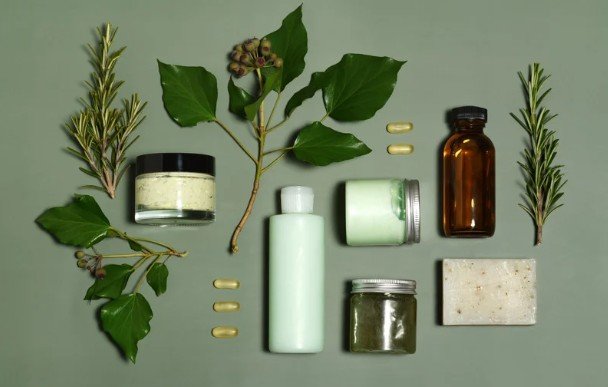
Ethical beauty can cost more, but it does not always have to. Some products are expensive because they use better sourcing, smaller-batch production, refill systems, or higher-quality ingredients. Others are expensive mainly because of branding.
The best way to shop wisely is to focus on value, not hype. A simple cleanser, moisturizer, deodorant, or shampoo bar from a responsible brand may last longer and reduce waste. You do not need a full luxury routine to make better choices.
I would start with one product at a time. Finish what you already own, then replace it with a more responsible option when needed. This is where ethical consumerism feels practical, because that approach is more sustainable than throwing everything away and starting fresh.
How to Build an Ethical Beauty Routine Slowly
A better beauty routine should feel realistic. Start by choosing your top priority. For some people, that is cruelty-free makeup. For others, it is vegan skincare, refillable packaging, fragrance-free formulas, or plastic-free haircare.
Next, audit your current routine. Look at what you use daily, what you actually love, and what you rarely touch. This helps you avoid buying products just because they look ethical.
Then create a simple replacement plan. Replace your cleanser this month, your mascara next month, and your shampoo after that. Small changes are easier to maintain than a complete routine overhaul. Most importantly, do not chase perfection. Ethical shopping is about better decisions, not flawless decisions.
Frequently Asked Questions
1. What are Ethical Beauty Products?
Ethical Beauty Products are skincare, makeup, haircare, and body care items made with attention to animal welfare, ingredient safety, fair sourcing, sustainable packaging, and honest brand practices.
2. Is cruelty-free the same as vegan?
No. Cruelty-free means the product was not tested on animals. Vegan means the product does not contain animal-derived ingredients. A product can be one, both, or neither.
3. How can I tell if a beauty brand is ethical?
Check for clear animal testing policies, ingredient transparency, packaging details, sourcing information, and trusted certifications. Avoid brands that rely only on vague words like “natural” or “green.”
4. Do ethical beauty products work as well as regular products?
Yes, many ethical products perform just as well as conventional products. The key is choosing formulas that match your skin type, hair type, budget, and routine.
A Smarter Way to Choose Beauty
I believe beauty should feel good before, during, and after you use it. That means the product should work for your skin, fit your values, and come from a brand that is willing to be honest.
You do not need a perfect shelf or a fully zero-waste bathroom to make progress. Start with one thoughtful swap, learn how to read claims, and choose brands that show proof instead of relying on buzzwords. Over time, Ethical Beauty Products can help you build a routine that feels cleaner, kinder, and more intentional.