
Contemporary culture and social change are no longer slow academic ideas hiding in textbooks. I see them every time someone works from a laptop in a coffee shop, uses AI to draft an email, questions a brand’s ethics, or learns about identity through social media before a classroom ever explains it.
Culture now moves at notification speed. Social institutions, however, still move like paperwork. That gap explains why modern life feels exciting, unstable, creative, and exhausting all at once.
What Contemporary Culture Really Means Now

Contemporary culture is the shared set of habits, values, technologies, beliefs, media styles, and social behaviors that shape modern life. It includes what we watch, how we work, how we define ourselves, what we buy, and how we decide what is true.
Social change happens when those shared patterns start reshaping institutions. Schools change. Workplaces change. Laws change. Families change. Even language changes.
The link between contemporary culture and social change is reciprocal. Culture pushes society forward, and social changes reshape culture in return. I think of it like a loop, not a straight line.
A useful example is identity. As people gain more language for gender, race, mental health, family structure, and personal expression, social institutions face pressure to update policies, representation, and public norms. This also connects closely to the cultural identity importance, because people want systems that recognize who they are, not just where they fit.
Why Culture Changes Faster Than Institutions
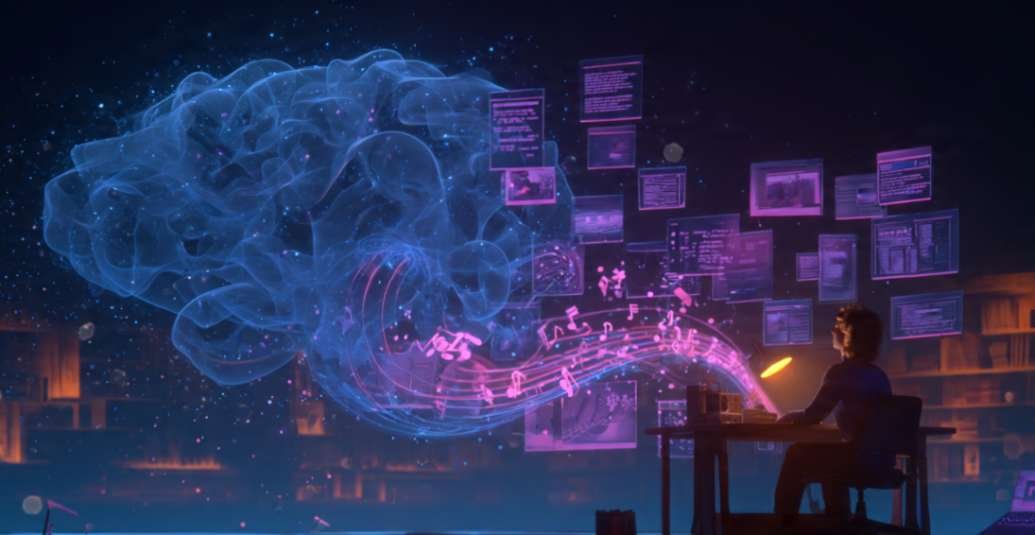
Culture changes quickly because people can now create, share, and challenge ideas without waiting for traditional gatekeepers. Institutions still rely on rules, approvals, budgets, and legal frameworks.
That mismatch creates tension.
Digital Interconnectivity Moves Ideas at High Speed
Social media, streaming platforms, podcasts, group chats, and creator communities allow ideas to move across borders in hours. A local protest slogan can become global. A fashion trend can shift overnight. A short video can change public opinion faster than a press conference.
Pew Research Center reported that Americans use a mix of digital platforms for news, including websites, social media, search, podcasts, and newsletters.
That matters because people no longer receive culture from one shared source. They build reality through many feeds at once.
This creates opportunity and friction. More voices can participate, but shared facts become harder to maintain.
AI Has Become a Cultural Producer
Artificial intelligence is one of the strongest forces behind contemporary culture and social change. Earlier digital tools mostly organized human content. AI now creates text, images, music, video, code, lesson plans, ads, and business workflows.
That changes the meaning of creativity. A person can now co-create with a machine in minutes. The question is no longer only, “Who made this?” It is also, “Who trained the system, who owns the output, and who gets paid?”
McKinsey’s 2025 State of AI research found that regular AI use has increased across industries, while many organizations are still working out how to scale it responsibly. This is exactly where culture starts to outpace structure.
How Social Change Shows Up in Daily Life
Social change does not always arrive as a law or headline. Sometimes it shows up as a new expectation.
People expect flexible work. Students expect personalized learning. Consumers expect brands to explain their values. Communities expect better representation. Families expect old roles to bend.
Identity, Inclusion, and Relationships
Modern culture places more value on personal autonomy and self-definition. People are less willing to accept rigid social scripts about gender, family, career, beauty, aging, or success.
This does not mean tradition disappears. It means tradition gets questioned, edited, and sometimes defended more strongly.
Inclusion has also moved from a moral conversation into a policy conversation. Workplaces, schools, media companies, and public institutions face growing pressure to reflect diverse communities. That pressure comes from activism, demographic change, and digital visibility.
The Remote and Algorithmic Workplace
Work is one of the clearest examples of contemporary culture and social change. The office used to define professionalism. Now output, flexibility, digital communication, and AI-assisted productivity carry more weight.
Remote work changed where people live and how families organize time. Gig platforms changed how people earn. AI tools are changing which tasks feel valuable.
McKinsey’s workplace AI report found that nearly all companies are investing in AI, but only a small share believe they have reached maturity. The report also points to leadership and organizational readiness as major barriers.
That finding matches what I see in everyday work culture. The tool arrives first. The training, ethics, job redesign, and emotional adjustment arrive later.
Information Consumption and Trust
The media used to move through fewer channels. Newspapers, television, radio, and major publishers shaped public conversation.
Now people get information through creators, influencers, niche newsletters, Reddit threads, short videos, podcasts, AI summaries, and group chats. That decentralization gives people more choice. It also fragments trust.
Synthetic media makes this harder. Deepfakes and AI-generated content create the “liar’s dividend,” where fake content spreads easily and real evidence can be dismissed as fake.
This is one of the most serious cultural shifts of the AI era. A society cannot solve shared problems if people cannot agree on basic reality.
Sustainability Becomes a Mainstream Value
Eco-consciousness has moved from a niche lifestyle choice into mainstream culture. People now discuss fast fashion, climate anxiety, clean energy, circular economies, food waste, and corporate responsibility in everyday settings.
The United Nations notes that sustainable consumption and production policies are expanding globally, with hundreds of related policies submitted across dozens of countries.
UNESCO has also emphasized that culture plays a role in climate action because values, habits, and community practices shape behavior.
This proves a key point: culture does not just reflect change. It helps produce it.
The Culture Debt Problem

The best way to understand contemporary culture and social change is through cultural lag, or what I call culture debt.
Culture debt happens when technology and behavior change faster than ethics, laws, education, and institutions. We build the tool first and ask the hard questions later.
AI shows this clearly. Generative systems can produce commercial images, essays, voices, and code instantly. Copyright law, classroom policies, privacy rules, and labor protections are still catching up.
The same pattern appears in social media. Platforms changed public speech before society built strong norms for misinformation, harassment, privacy, and mental health.
Culture debt is not just a policy problem. It is a human problem. People feel it as confusion, distrust, burnout, and moral uncertainty.
A Real-World Example: AI in the Workplace
Here is a practical example.
A marketing team adopts AI tools to create drafts, ad ideas, image prompts, reports, and customer insights. Productivity rises. Deadlines shrink. Managers expect faster output.
First, everyone celebrates.
Then the questions arrive. Are junior employees still learning core skills? Who checks bias in AI-generated content? Does the company disclose AI use? Can workers push back against unrealistic speed expectations? Are creative workers being supported or quietly replaced?
That is culture debt in action.
The technology changed the work process before the workplace changed its values, training, and rules. The solution is not to reject AI. The solution is to design better human-AI systems.
How Communities Can Navigate Change Better
The healthiest response to contemporary culture and social change is not panic. It is cultural literacy.
People need to understand how technology, identity, economics, media, and sustainability interact. Schools should teach digital verification and AI literacy. Workplaces should train employees before measuring them against AI-powered expectations.
Brands should make ethical claims they can prove.
Communities also need intergenerational dialogue. The U.S. population is aging, and the Census Bureau reported that the national median age reached a record high of 39.1 in 2024. That demographic shift affects caregiving, housing, healthcare, work, and family life.
Younger people may adapt quickly to digital culture. Older generations often carry institutional memory. Social progress needs both speed and wisdom.
The Final Word, With a Raised Eyebrow
Culture is not “out there.” It is in your phone, your workplace, your family group chat, your grocery choices, your streaming habits, and your idea of a good life.
The big mistake is treating social change like something only governments or experts control. They shape it, yes. But so do everyday people.
My best tip is simple: when a new trend appears, ask three questions. Who benefits from this change? Who gets left behind? What rule, habit, or value needs to catch up?
That small habit turns confusion into awareness. And awareness is where better culture starts.
FAQs
1. What is the relationship between contemporary culture and social change?
Contemporary culture shapes social change by influencing values, behavior, communication, identity, and public expectations. Social change then reshapes culture by changing laws, institutions, work patterns, and everyday norms.
2. What are examples of social change in modern culture?
Common examples include remote work, AI-generated media, gender inclusion, online activism, sustainable consumption, digital news habits, mental health awareness, and changing family structures.
3. How does AI affect contemporary culture?
AI affects contemporary culture by changing how people create, work, learn, communicate, and verify information. It also raises questions about authorship, privacy, job security, bias, and trust.