Most people do not completely change their lifestyle overnight. Real wellness habits usually develop through smaller routines that slowly become part of everyday life. A neighborhood walking group, a weekly community garden meetup, or a free outdoor workout session may not seem groundbreaking at first, but those spaces often create a stronger long-term impact than highly marketed wellness trends.
That happens because people are more consistent when wellness feels social and accessible. Small community wellness initiatives remove some of the pressure that usually comes with personal health goals. Instead of treating wellness like an individual challenge, they turn it into something shared between neighbors, families, and local groups. Over time, those shared experiences help communities build healthier routines, stronger relationships, and better emotional support systems.
Community Wellness Works Better When People Feel Connected
Many traditional wellness campaigns focus heavily on information. They encourage people to eat healthier, exercise more, or reduce stress, but information alone rarely changes long-term behavior.
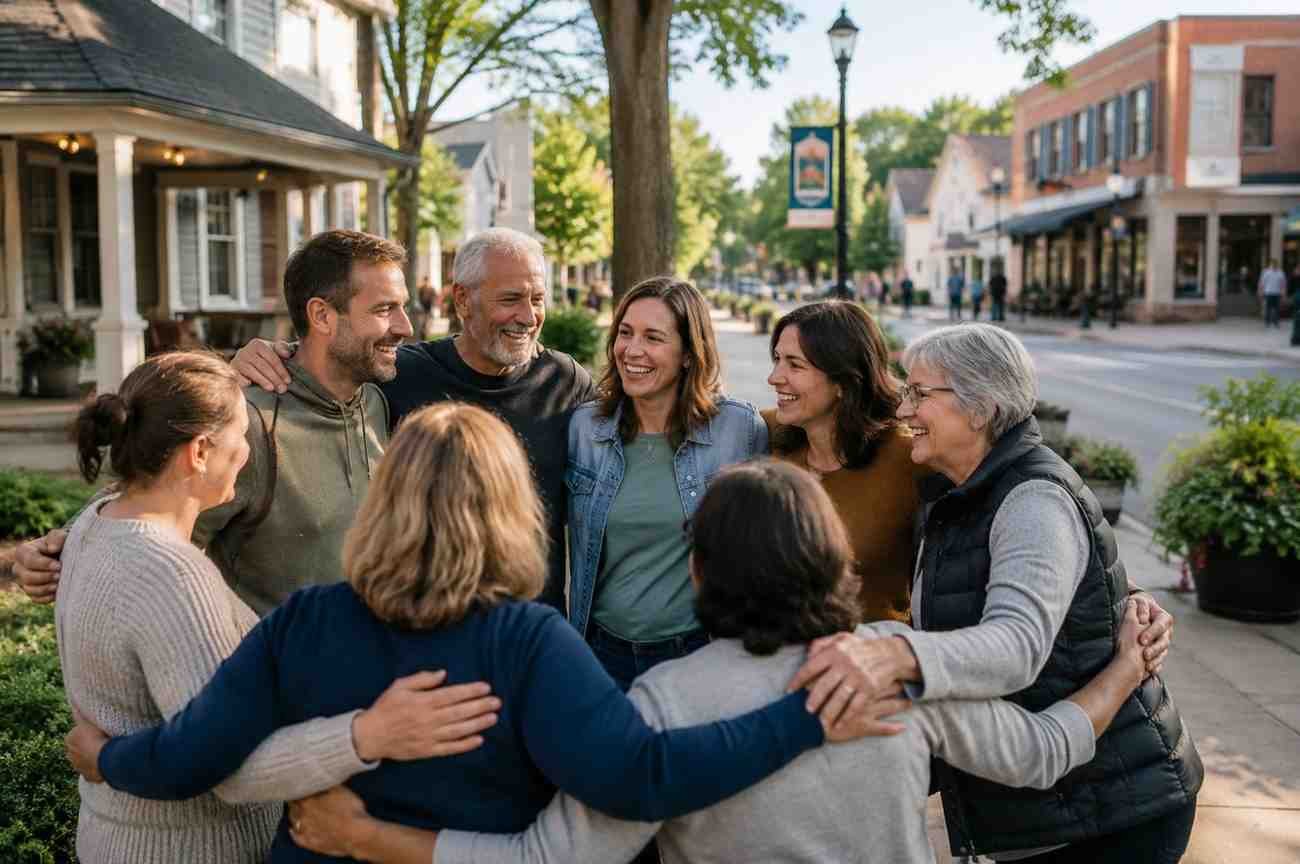
Community-driven wellness initiatives work differently because they create social accountability.
Shared Goals Encourage Consistency
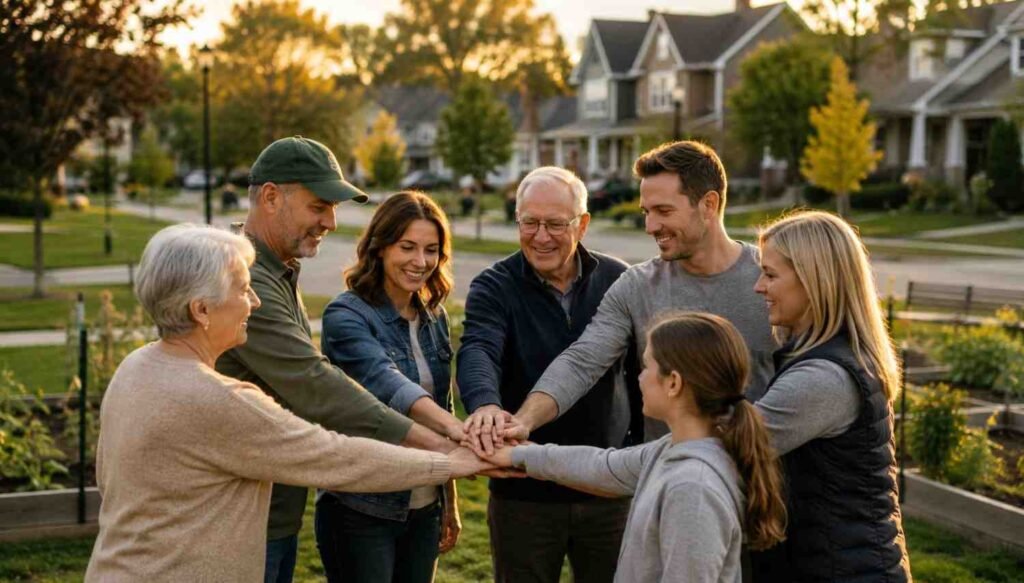
People are naturally more likely to stay committed when they feel connected to others doing the same thing. A local running club or group fitness class creates built-in encouragement that individual wellness routines often lack.
Someone may skip a solo workout without thinking twice, but missing a regular neighborhood activity feels different when familiar faces expect to see them there. That sense of connection often becomes the reason people continue showing up.
This pattern appears consistently in:
- walking clubs
- community exercise groups
- peer support circles
- recreational sports leagues
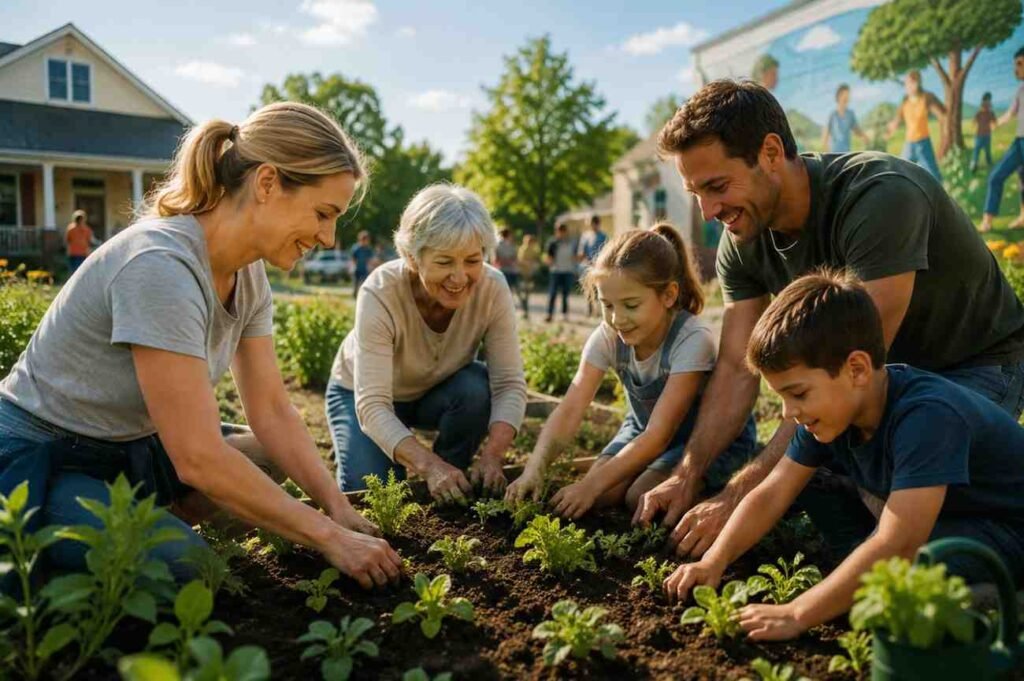
- volunteer gardening programs
The health benefits matter, but the social environment is often what makes those habits sustainable.
Wellness Feels More Approachable in Community Spaces
Large fitness spaces and expensive wellness programs can feel intimidating for many people. Community-based initiatives usually feel more relaxed and accessible because they remove some of the pressure surrounding health culture.
A free yoga session in a local park or a community-led nutrition workshop feels practical and welcoming. That accessibility becomes especially important in neighborhoods where cost, transportation, or lack of resources create barriers to healthier living.
Hyper-Localized Wellness Initiatives Create Stronger Impact
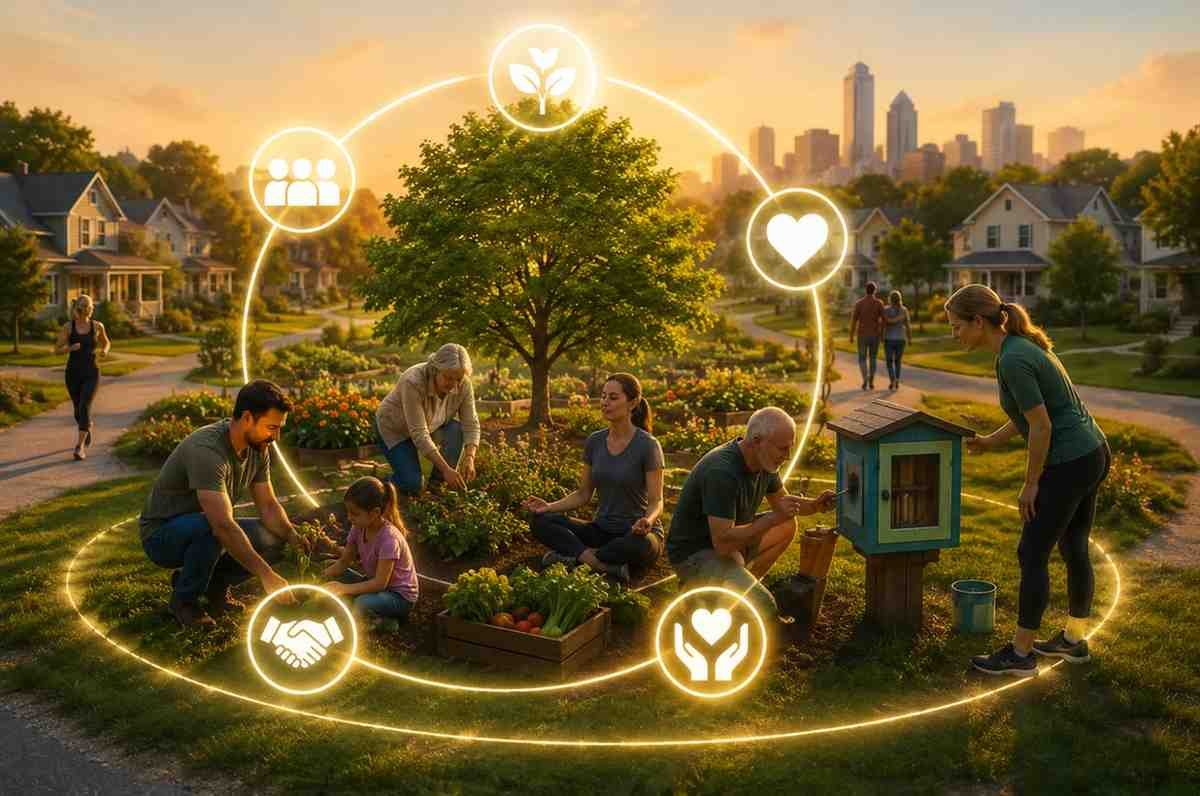
The most effective wellness programs usually reflect the actual needs of the communities they serve.
A neighborhood dealing with food insecurity may benefit more from mobile produce markets and community meal programs than from expensive fitness campaigns. Another community may prioritize mental health support groups or safe recreational spaces for younger residents.
Local Participation Creates Ownership
When residents help shape wellness initiatives directly, participation becomes more consistent because people feel genuine ownership over the process.
Communities understand their own challenges better than outside organizations. That local involvement also helps wellness programs stay culturally relevant and realistic for daily life.
This is why many successful grassroots wellness efforts focus heavily on:
- community engagement
- health equity initiatives
- culturally responsive programming
- neighborhood collaboration
- accessible wellness resources
The phrase social unity ideas becomes important here because long-term wellness improvements often begin with stronger community relationships first.
Wellness Initiatives Help Reduce Social Isolation
Modern communities may appear connected online, but many people still experience loneliness and emotional isolation in daily life. Small wellness initiatives quietly help solve that problem by creating regular opportunities for interaction.
Social Connection Supports Emotional Well-Being
Community gardens, walking groups, and local wellness events often become support systems without formally presenting themselves that way.
People begin recognizing familiar faces. Casual conversations become regular interactions. Over time, trust develops naturally through shared activities and routines.
Mental health advocates and public health organizations continue emphasizing the importance of social connection because strong community relationships help reduce stress, anxiety, and emotional burnout.
This is one reason many grassroots wellness initiatives continue surviving even after initial funding disappears. The relationships built through those programs often sustain momentum on their own.
Accessibility Matters More Than Perfection
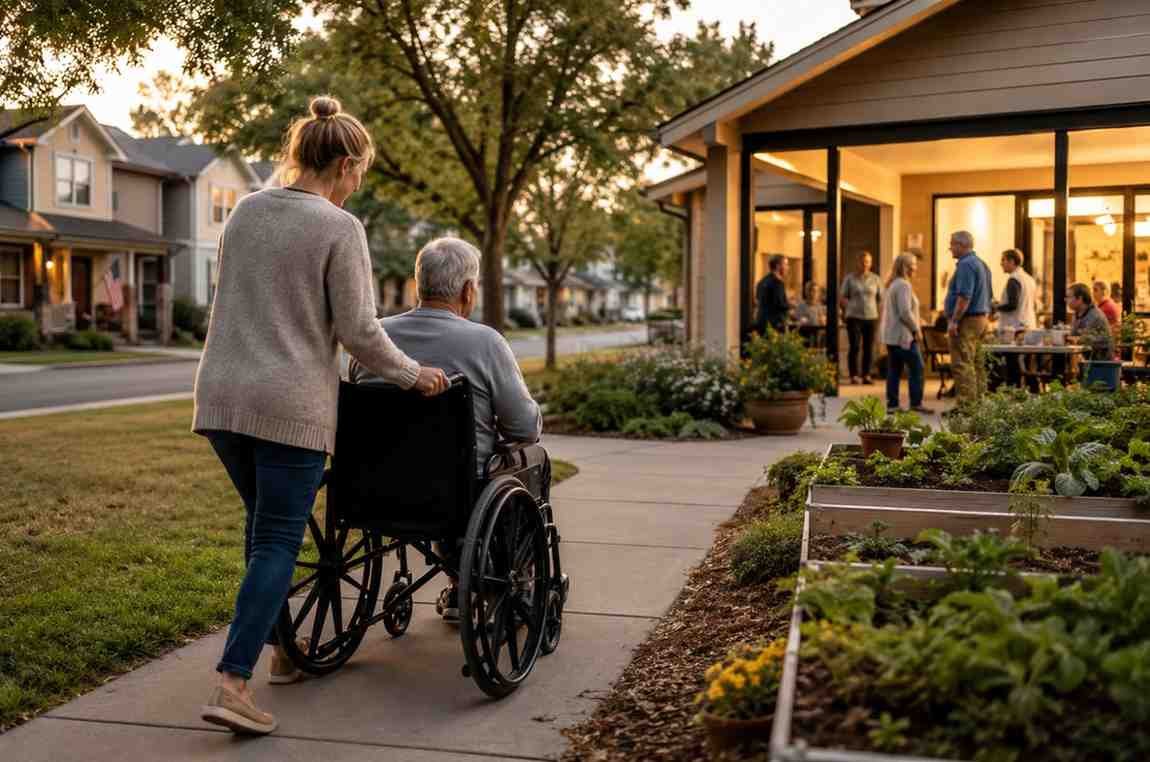
Many people want healthier routines but struggle with practical barriers like cost, time, transportation, or lack of nearby resources. Small community wellness initiatives often succeed because they focus on realistic accessibility instead of perfection.
Simple Wellness Opportunities Create Long-Term Habits
Free outdoor workouts, low-cost meal programs, community recreation spaces, and farmers’ markets create opportunities that feel manageable for everyday people.
Communities do not necessarily need luxury wellness centers to improve public health outcomes. Sometimes a consistent walking trail, a neighborhood fitness meetup, or a shared gardening project creates stronger long-term habits because participation feels realistic and sustainable.
This practical approach also aligns with broader conversations around preventive care, behavioral health support, and community resilience. Smaller initiatives succeed because they fit naturally into daily routines rather than demanding dramatic lifestyle changes.
Small Wellness Efforts Often Influence Bigger Community Change
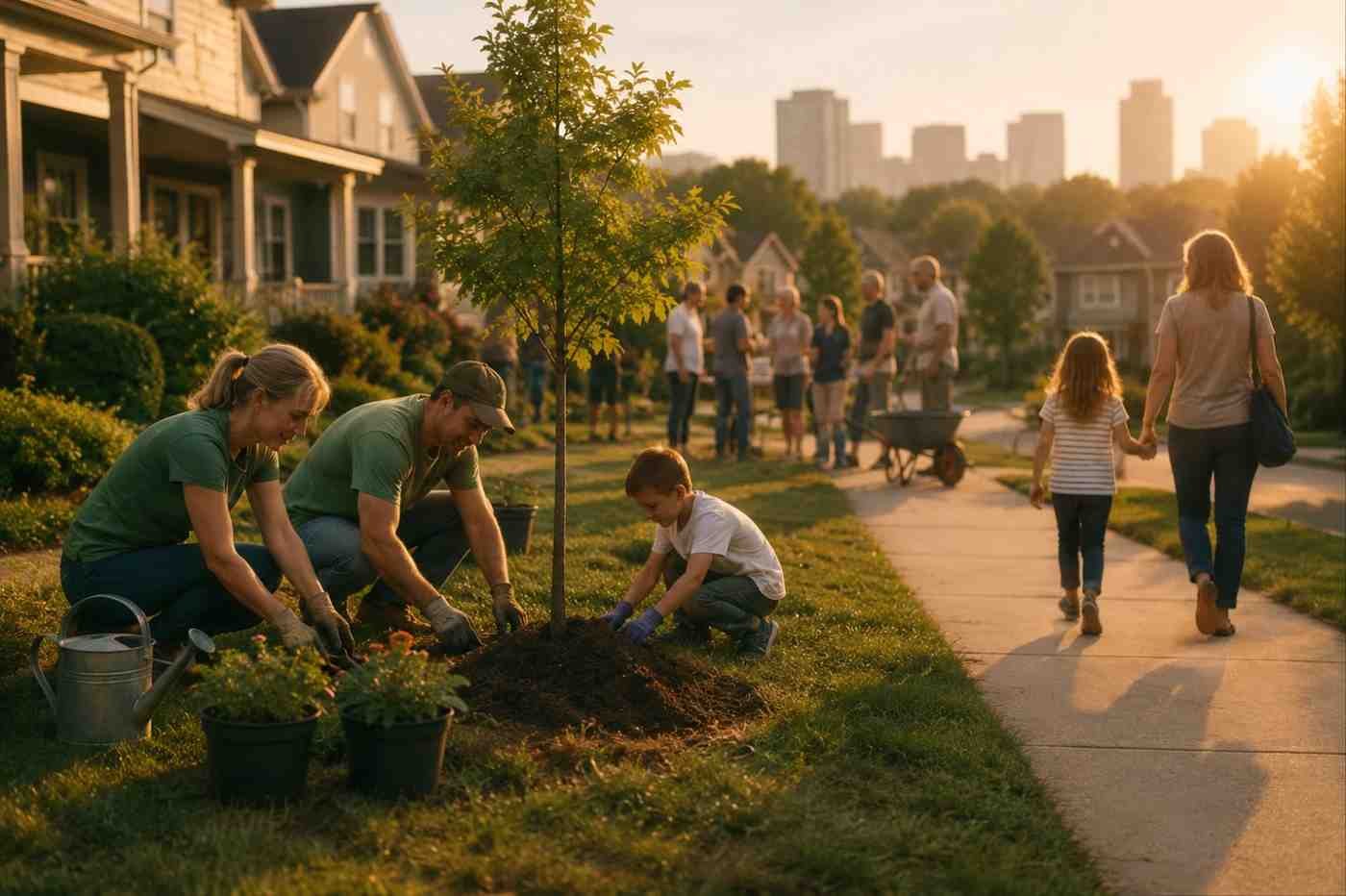
Grassroots wellness programs may start small, but their influence often expands beyond the original initiative.
A community garden can eventually support local food access programs. A peer wellness group can encourage broader mental health awareness. A local walking initiative can push neighborhoods to invest in safer public spaces and recreational infrastructure.
These smaller programs also strengthen trust between residents, which makes future community collaboration easier.
That long-term social impact matters because healthier communities are usually built through consistent local participation rather than one-time wellness campaigns.
FAQs: How Small Community Wellness Initiatives Create Lasting Change
1. Why are community wellness initiatives effective?
Community wellness initiatives combine healthy habits with social support and accessibility. People are more likely to stay consistent when wellness feels community-driven and emotionally supportive.
2. How do small wellness programs help mental health?
They reduce isolation, strengthen social connections, and create emotional support networks through shared activities and community participation.
3. What are examples of community wellness initiatives?
Examples include walking clubs, community gardens, peer support groups, outdoor fitness sessions, local farmers’ markets, and neighborhood nutrition programs.
4. Why do grassroots wellness initiatives last longer?
Grassroots initiatives often feel more personal and culturally relevant. Communities also develop stronger ownership over programs designed around local needs and routines.
Final Thoughts
Small community wellness initiatives create lasting change because they make healthier living feel realistic, social, and emotionally supportive. Instead of focusing only on individual discipline, these programs build environments where people naturally encourage one another through shared routines and consistent interaction. That combination of accessibility, accountability, and community trust often creates a stronger long-term impact than highly structured wellness campaigns.
Most lasting wellness change starts quietly. A few neighbors walking together, a shared garden space, or a community support circle may seem small in the beginning, but those everyday interactions often become the foundation for healthier and more connected communities.