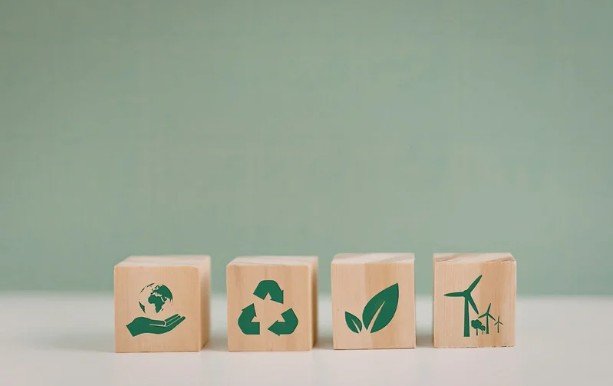
I used to think greener living meant changing everything at once. Then I realized the most lasting changes are usually small, cheap, and easy to repeat. Eco Friendly Habits work best when they fit into real life, not when they make daily routines harder.
You do not need a perfect zero-waste home, a huge garden, or expensive products. You only need better choices in the places where waste happens most: your kitchen, bathroom, closet, car, cleaning routine, and shopping cart.
Why Small Green Habits Matter
Small habits matter because they repeat. One reusable bottle may not look powerful on day one, but using it all year can replace hundreds of disposable bottles. Planning meals may feel basic, but it can cut food waste and save money.
The best part is that sustainable living often supports your budget. Using less energy, wasting less food, buying fewer single-use items, and repairing what you own can lower costs over time.
Start With What You Already Own
One of the biggest beginner mistakes is buying a full set of “green” products before using what is already at home. That can create more waste.
Start by finishing the shampoo, cleaners, paper products, and pantry items you already have. Then replace them slowly with better options when needed. This keeps the process affordable and practical.
Easy Home Habits That Save Energy

Switch Off What You Are Not Using
Turn off lights, fans, chargers, and electronics when they are not needed. This sounds simple, but it is one of the easiest ways to reduce energy waste.
Unplug devices that sit on standby for hours. Use power strips for TV setups, gaming consoles, and desk spaces so you can switch everything off at once.
Wash Clothes in Cold Water
Cold water works well for most regular laundry. It can also help clothes last longer because hot water can fade colors and wear fabrics faster.
Wash full loads when possible, skip extra rinses unless needed, and air-dry clothes when you can. Even using a drying rack a few times a week makes a difference.
Choose Better Lighting
LED bulbs use less energy and last longer than old-style bulbs. Replace bulbs as they burn out instead of throwing away working ones. That way, the change feels affordable and waste-conscious.
Kitchen Habits That Reduce Waste
Plan Meals Before Shopping
Food waste often starts at the grocery store. Before shopping, check your fridge, freezer, and pantry. Make a short list based on what you already have. This helps you avoid duplicate items, forgotten produce, and impulse buys that spoil before you use them.
Store Food the Right Way
Keep herbs in a jar with water, freeze bread before it goes stale, and use clear containers so leftovers do not disappear in the back of the fridge. Create one “eat first” shelf for food that needs to be used soon. This tiny system can prevent a lot of waste.
Compost When Possible
Food scraps like fruit peels, vegetable ends, coffee grounds, and eggshells can often be composted. If you do not have a yard, look for local compost drop-off programs or small indoor compost options.
Composting is especially helpful because it keeps organic waste out of the trash and turns scraps into something useful.
Smarter Shopping Habits
Buy Less but Better
The greenest product is often the one you do not buy. Before purchasing something new, ask yourself if you already own something similar, can borrow it, or can buy it secondhand. This works for clothing, home decor, kitchen tools, books, furniture, and electronics.
Carry Reusables
Keep reusable bags in your car, backpack, or near the front door. Add a reusable water bottle, coffee cup, and food container if those fit your routine. The goal is not to carry everything everywhere. The goal is to reduce the single-use items you reach for most often.
Avoid Overpackaged Products
Greener Cleaning Habits

Use Fewer Cleaning Products
You do not need a different cleaner for every surface. A few basic products can handle most daily cleaning jobs. Reusable cloths can replace many paper towels. Refillable sprays can also cut plastic waste over time.
Skip Disposable Wipes
Disposable wipes are convenient, but they create regular trash. Use washable cloths for counters, tables, mirrors, and spills. Keep a small basket for used cloths and wash them with towels.
Travel and Transportation Habits
Combine Errands
Instead of making several short trips, group errands into one route. This saves fuel, time, and energy.
For short distances, walk, bike, carpool, or use public transit when it works for your schedule. You do not have to give up driving completely to make better choices.
Pack Before You Leave
Bring snacks, water, a tote bag, and a container when you are out for the day. This helps you avoid last-minute plastic bottles, takeout packaging, and unnecessary purchases.
Clothing Habits That Help
Fast fashion creates waste because many items are bought quickly and discarded quickly. Build a closet around pieces you actually wear.
Repair buttons, remove stains early, wash clothes gently, and donate or resell items that still have life left. Shopping secondhand is also a simple way to refresh your wardrobe without buying new.
Beginner Mistakes to Avoid
Do not try to change everything in one week. That usually leads to frustration. Do not throw away useful items just because they are plastic. Use them until they wear out.
Do not assume expensive products are always better. Many sustainable choices are free, like wasting less food, using less electricity, and buying less overall.
Simple 7-Day Starter Plan
- Day one, carry a reusable bottle.
- Day two, plan meals before shopping.
- Day three, create an “eat first” fridge shelf.
- Day four, wash laundry in cold water.
- Day five, switch off unused electronics.
- Day six, replace paper towels with cloth for small spills.
- Day seven, avoid buying one item you do not truly need.
This simple plan works because it builds confidence without pressure.
Frequently Asked Questions
1. What are the easiest Eco Friendly Habits to start?
The easiest habits are carrying a reusable bottle, turning off lights, planning meals, using reusable bags, washing clothes in cold water, and reducing single-use packaging.
2. How can I live greener without spending more?
Start with free habits first. Use what you own, waste less food, lower energy use, repair items, shop secondhand, and avoid buying things you do not need.
3. Are small sustainable habits really worth it?
Yes. Small habits become powerful when they repeat daily. One habit may feel tiny, but many small changes across your home, food, shopping, and travel routines can create real impact.
4. What should beginners avoid?
Avoid perfection, guilt, and overspending. Sustainable living should feel steady and realistic, not stressful or expensive.
A Greener Way Forward
I believe the best greener lifestyle is the one you can actually maintain. You do not need to change your whole life overnight. You only need to notice where waste happens and choose one better option at a time.
Start with your next meal, your next grocery trip, or your next load of laundry. Once those habits feel normal, add another. That is how a cleaner, calmer, and more responsible lifestyle becomes part of everyday life.