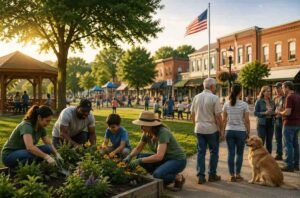
The garden was just a quiet place to grow tomatoes, herbs, or flowers. Then I noticed how one small shared garden could change the feeling of an entire neighborhood. People who barely spoke started trading seeds, kids learned where food came from, and empty lots became places with life, color, and purpose.
That is why Community Gardens Benefits matter so much today. These spaces do more than produce vegetables. They support health, connection, learning, and local pride in ways that many people overlook.
What Is a Community Garden?
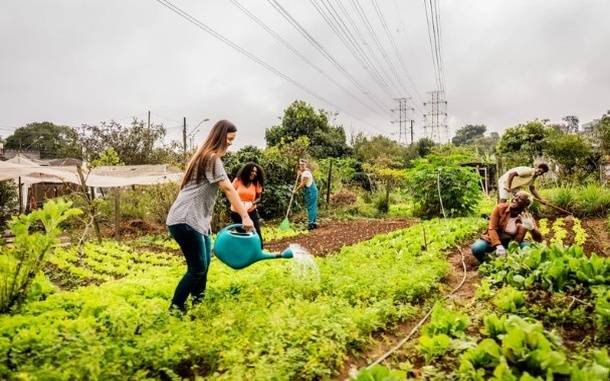
A community garden is a shared piece of land where people grow fruits, vegetables, herbs, flowers, or native plants together. Some gardens are managed by neighborhoods, schools, nonprofits, apartment communities, faith groups, or local organizations.
Each garden may look different. Some have individual plots. Others use shared beds where everyone helps and shares the harvest. Some focus on food access, while others focus on education, wellness, pollinators, or neighborhood beautification.
Fresh Food Access for Local Families
One of the biggest benefits of community gardens is easier access to fresh food. For families living far from affordable grocery stores, a nearby garden can make fruits, vegetables, and herbs more available.
Fresh produce can also feel expensive, especially when food prices rise. A garden plot may not replace a full grocery trip, but it can help families add tomatoes, peppers, greens, squash, beans, or herbs to their meals.
This matters because healthy eating often starts with access. When fresh food is close, visible, and affordable, people are more likely to use it.
Better Nutrition and Healthier Habits
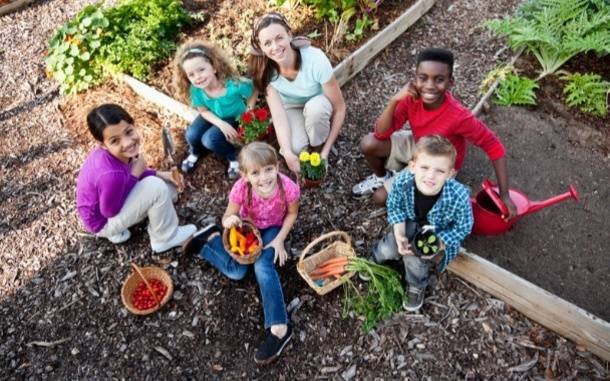
Community gardens can encourage better eating habits without making healthy living feel complicated. When people grow their own food, they often become more interested in cooking, tasting new vegetables, and understanding how to eat seasonally.
Children can benefit from this too. A child who helps plant carrots or pick lettuce may feel more curious about eating them. That hands-on connection can make healthy food feel less forced and more natural.
Gardening also adds gentle movement. Digging, watering, weeding, carrying soil, and harvesting all support physical activity. It is not a gym workout, but it keeps the body active in a useful and enjoyable way.
Mental Health and Stress Relief
Gardens can offer calm in busy lives. Soil, plants, sunlight, and fresh air create a peaceful setting that helps many people slow down. For me, this is one of the most powerful parts of gardening. Even a few minutes of watering plants can feel grounding. It gives the mind one simple task to focus on.
Community gardens may also reduce loneliness. People who live alone, work from home, or feel disconnected from neighbors can find casual conversation and routine through gardening. That sense of belonging can support emotional well-being.
Stronger Neighborhood Connections
These everyday interactions can make a neighborhood feel safer and warmer. People begin to recognize one another. They look after the space together. They may even work together on other community needs after building trust in the garden.
This is one reason Community Gardens Benefits reach beyond individual gardeners. The whole area can feel more connected.
Environmental Benefits of Shared Green Spaces
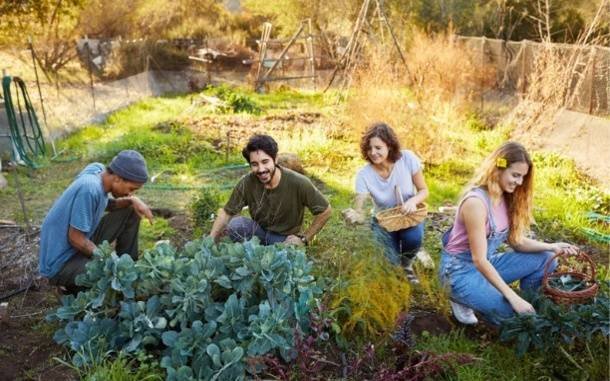
Community gardens can support the environment in practical ways. They add green space, attract pollinators, improve soil care, and encourage composting.
A garden can also help reduce waste when people compost leaves, vegetable scraps, and garden trimmings. Native plants and flowers can support bees, butterflies, and birds. Raised beds and smart irrigation systems can help conserve water when managed carefully.
In cities and crowded neighborhoods, green spaces can soften hard landscapes. They bring shade, color, and natural beauty to areas filled with pavement and buildings.
Turning Empty Lots Into Useful Places
Vacant lots can sometimes make a neighborhood feel neglected. A community garden can turn that same space into something positive.
Instead of weeds, trash, or unused land, residents see flowers, vegetables, pathways, benches, and people working together. This can improve local pride and encourage better care of the surrounding area. A beautiful garden also sends a message: people care about this place.
Learning Opportunities for Kids and Adults
Community gardens are outdoor classrooms. Children can learn science through planting, watering, pollination, insects, soil, and weather. Adults can learn practical skills like composting at home, seed starting, seasonal planting, and food preservation.
Gardens also teach patience. Plants do not grow overnight. People learn to plan, wait, observe, and adjust. These lessons are simple, but they are valuable. Schools, youth groups, and families can use gardens to teach responsibility in a hands-on way.
Economic Benefits of Community Gardens
Community gardens can help people save money by supplementing meals with homegrown produce. The savings may vary, but fresh herbs, leafy greens, tomatoes, peppers, and seasonal vegetables can reduce some grocery costs.
Gardens can also support small local projects. Some communities host plant sales, seed swaps, workshops, or produce donation programs. These activities can bring people together while supporting practical local needs.
Who Benefits Most From Community Gardens?
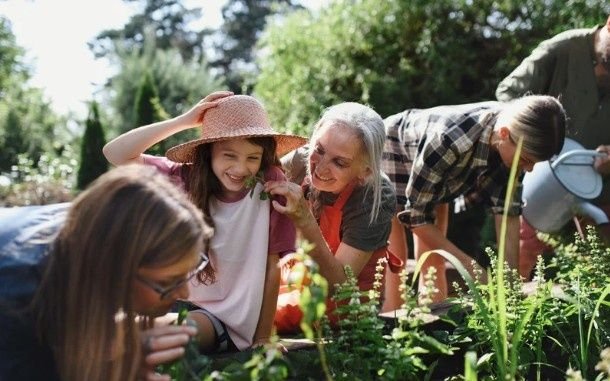
Families can access fresh produce and outdoor activities. Seniors can enjoy gentle movement and social connection. Children can learn food and nature skills. Apartment residents can garden without owning a yard. New gardeners can learn from experienced growers.
Neighborhoods with limited green space may especially benefit because the garden adds beauty, food, and a shared gathering place.
How to Join or Start a Community Garden
Start by checking local parks, libraries, schools, nonprofits, or neighborhood groups. Many gardens have waiting lists, volunteer days, or shared work sessions. If there is no garden nearby, begin small. Talk with neighbors, find interested volunteers, identify possible land, and ask local groups about support.
A strong community garden needs clear rules, water access, basic tools, shared responsibilities, and a simple plan for maintenance. The best garden is not always the biggest one. It is the one people can care for consistently.
Frequently Asked Questions
1. What are the main Community Gardens Benefits?
The main benefits include fresh food access, better eating habits, physical activity, stress relief, stronger social bonds, environmental care, youth education, and neighborhood beautification.
2. Do community gardens help mental health?
Yes, they can. Gardening gives people time outdoors, gentle movement, calming routines, and chances to connect with others. These can support emotional wellness.
3. Are community gardens good for kids?
Yes. Kids can learn where food comes from, how plants grow, and why patience matters. Gardening can also make fruits and vegetables more interesting to them.
4. Can community gardens reduce grocery costs?
They can help reduce some costs, especially for herbs, greens, tomatoes, peppers, and seasonal vegetables. The savings depend on garden size, climate, skill, and harvest quality.
Final Thoughts
When I look at a community garden, I do not just see plants. I see neighbors learning names, children discovering food, families stretching budgets, and quiet spaces where people can breathe.
That is the real value of Community Gardens Benefits. A shared garden may start with soil and seeds, but it can grow into health, friendship, pride, and hope for the whole neighborhood.