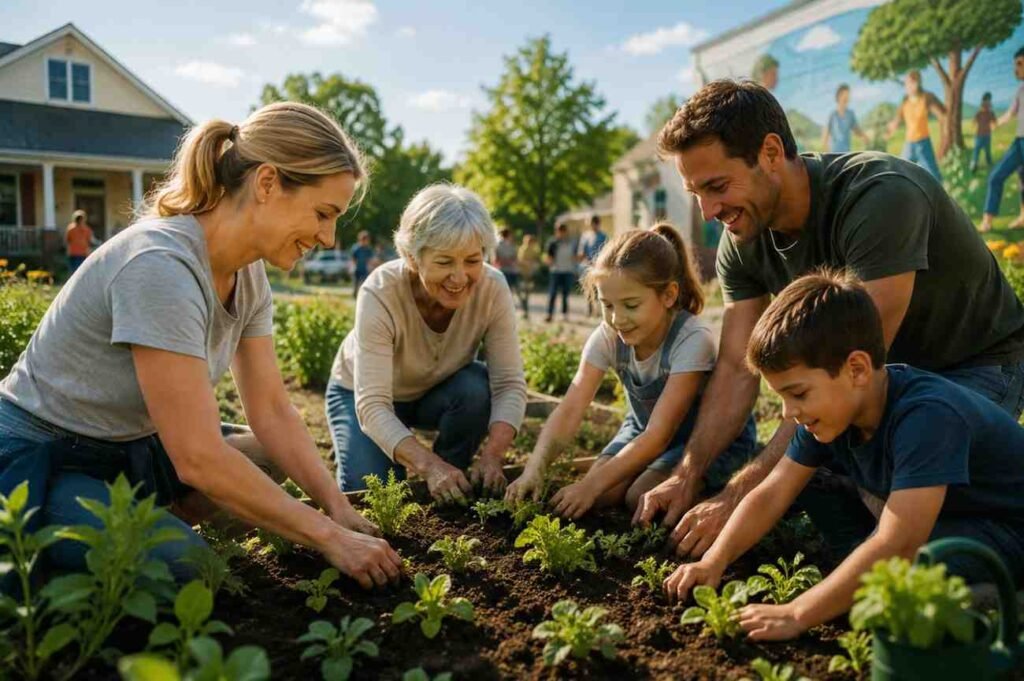
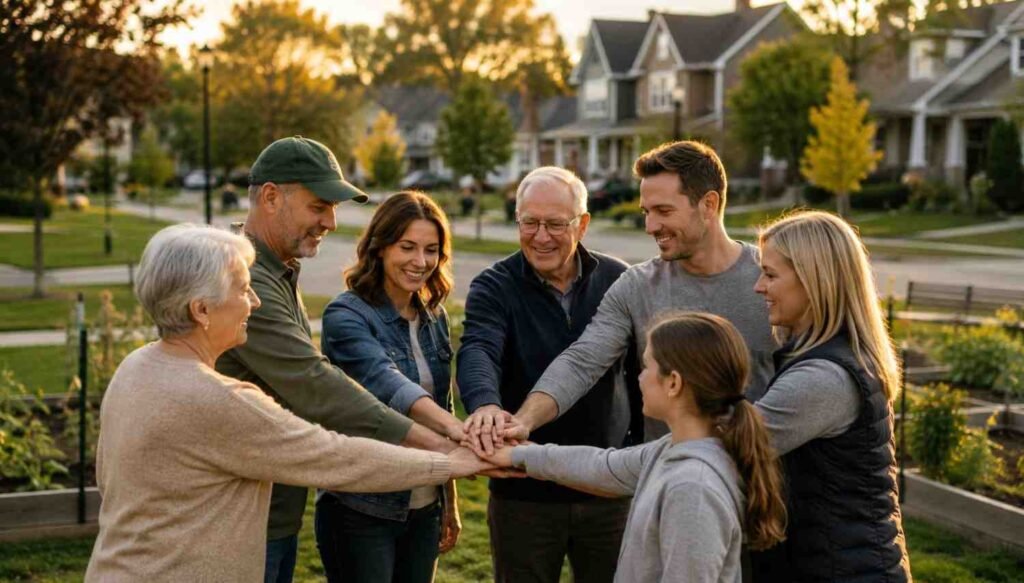
A few years ago, a small grocery store near my neighborhood started leaving boxes of extra food outside every evening for struggling families. At first, people treated it cautiously. Nobody knew whether the effort would last or if accepting help would feel uncomfortable. A few months later, local residents began contributing in their own ways. Some donated supplies. Others volunteered their time. What started as one small gesture slowly turned into a network of support that people genuinely trusted.
That experience made something very clear to me. Strong communities are rarely built only through policies, funding, or development projects. They grow when people believe they can rely on each other during difficult moments. Local trust creates stability that allows communities to think beyond immediate survival and invest in long-term growth instead.
Why Trust Matters More Than People Realize?

Communities without trust often struggle with isolation, misinformation, and constant skepticism. People hesitate to participate, collaborate, or support shared goals when they believe institutions or neighbors only act out of self-interest.
High-trust communities function differently. Residents feel more comfortable asking for help, participating in local discussions, and supporting long-term initiatives that improve quality of life over time.
Research connected to social cohesion and civic participation consistently shows that trust increases community resilience, public cooperation, and local engagement.
Trust also changes how people make decisions during stressful periods.
Local Trust Encourages Long-Term Thinking
When people feel supported by their community, they are less likely to make desperate short-term decisions.
That matters financially, emotionally, and socially.
Community Support Reduces Survival-Based Decisions
In lower-income neighborhoods, especially, trusted community networks often become informal safety systems. Friends, neighbors, religious groups, and local organizations frequently provide emergency support that helps families avoid harmful quick-fix solutions.
That support may include:
- temporary childcare
- shared transportation
- food assistance
- local fundraising
- emotional support networks
- community resource sharing
When people know they are not completely alone during emergencies, they can focus more on stability and future planning instead of constant crisis management.
Researchers studying economic mobility and social trust found that strong local relationships often improve long-term outcomes because communities create informal support structures outside formal institutions.
This kind of local support system also explains why cultural stories matter inside communities. Shared narratives help residents develop familiarity, empathy, and emotional investment in one another over time.
Civic Engagement Grows Faster in High-Trust Communities
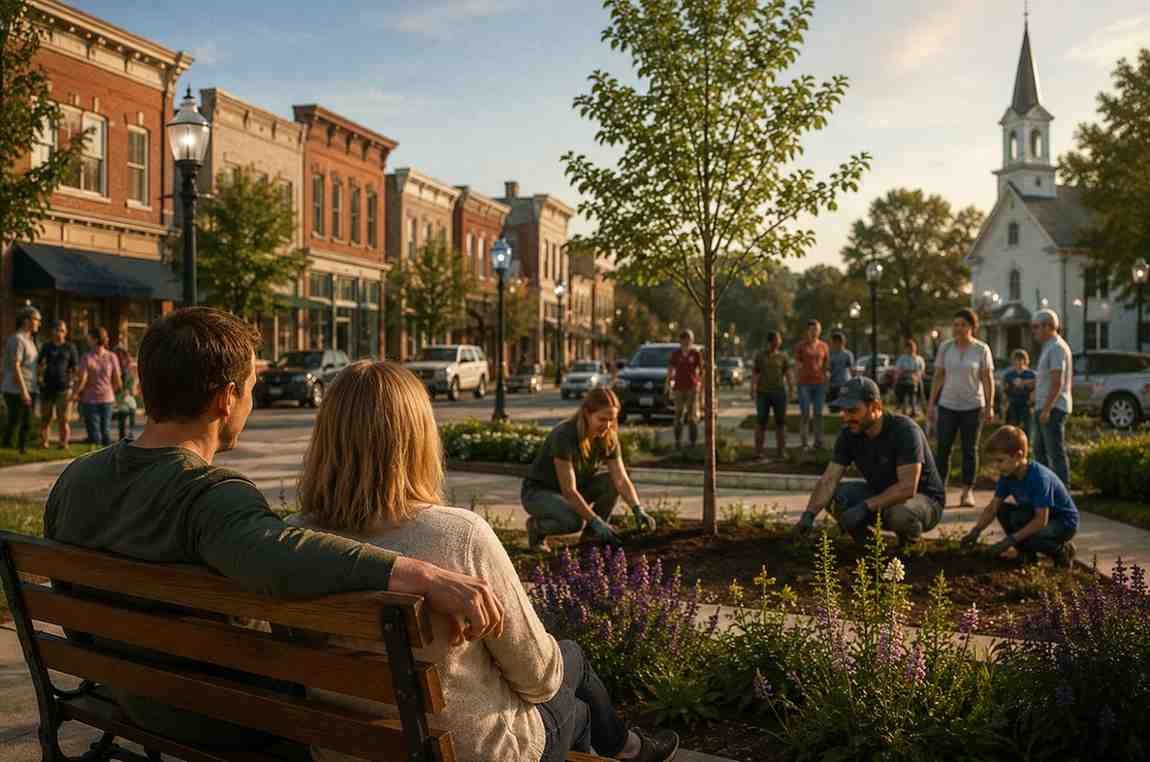
People participate more when they believe their involvement actually matters.
Communities with higher trust levels usually see stronger participation in:
- neighborhood meetings
- school initiatives
- local elections
- volunteer programs
- public health efforts
- community revitalization projects
That participation creates momentum. Once residents see collaboration producing visible improvements, trust grows even further.
Trust Strengthens Local Institutions
Trust does not only exist between neighbors. It also affects how communities respond to schools, libraries, healthcare systems, nonprofit organizations, and local leadership.
When residents believe institutions are transparent and acting in good faith, cooperation becomes easier. Public initiatives face less resistance because people feel included rather than ignored.
This became especially visible during major public health campaigns and local emergency responses over recent years. Communities with stronger social trust generally coordinated more effectively because communication already existed between residents, organizations, and leadership groups.
According to research from organizations studying democratic resilience and civic infrastructure, local trust directly improves a community’s ability to handle uncertainty and social tension constructively.
Collaboration Works Better When Trust Exists
Communities facing difficult problems rarely succeed through isolated decision-making.
Housing instability, public safety concerns, education gaps, and neighborhood revitalization all require collaboration between residents, organizations, and leadership groups. That collaboration becomes much harder when distrust dominates every conversation.
Transparency Creates Better Solutions
High-trust environments encourage people to speak honestly about lived experiences instead of hiding concerns or avoiding participation. Residents become more willing to share ideas, discuss failures openly, and contribute to decision-making processes.
That transparency often leads to more realistic and sustainable solutions because communities are responding to actual experiences instead of assumptions.
Strong collaboration also depends on:
- accountability
- active listening
- shared responsibility
- consistency
- local leadership credibility
Communities where these qualities exist usually adapt faster during periods of economic or social change.
Local Trust Helps Reduce Polarization
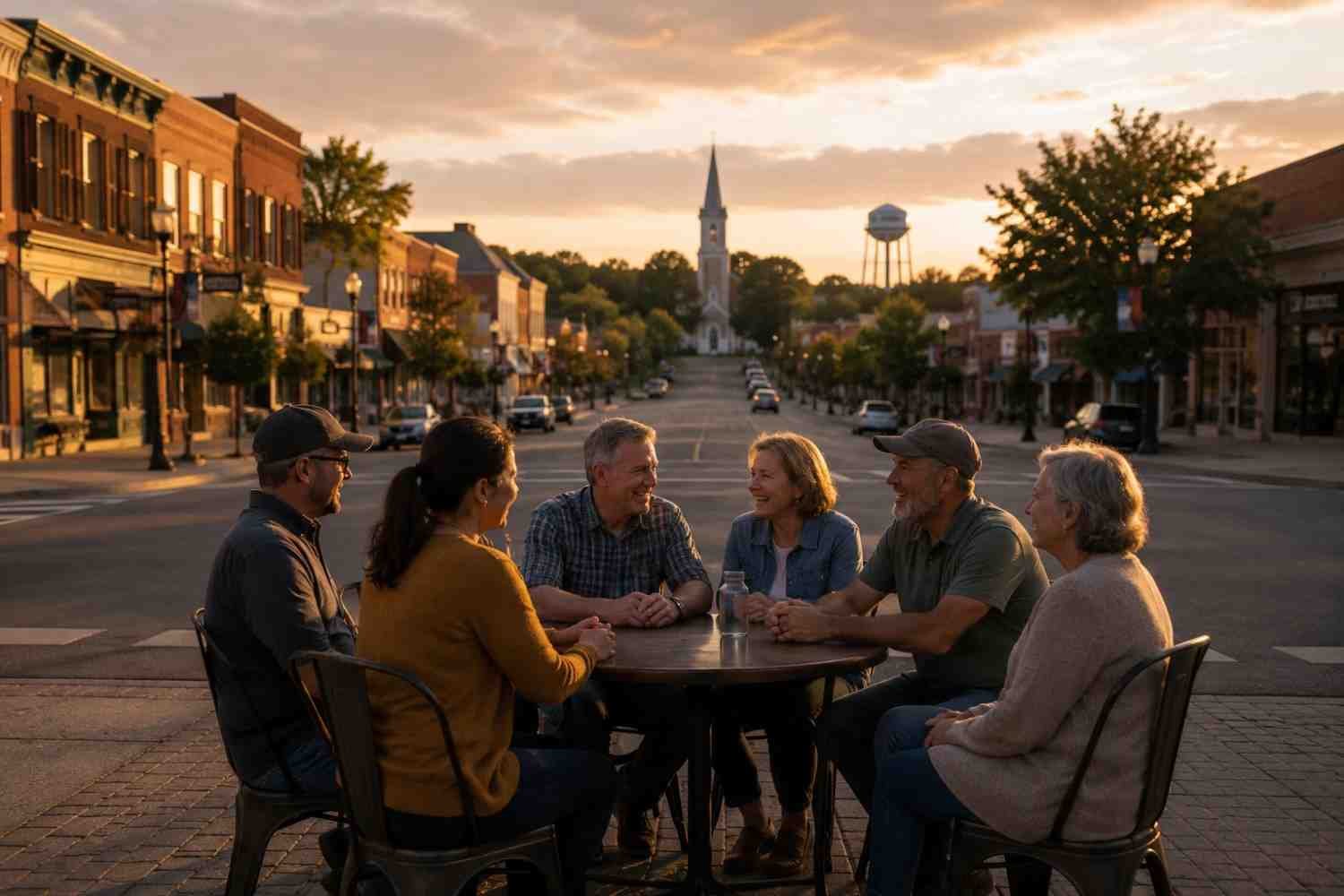
Modern communities often feel emotionally fragmented. Social media arguments, political division, and public distrust create constant tension that can weaken local relationships over time.
Local trust helps counter that isolation.
Community Spaces Still Matter
Libraries, cultural centers, schools, local events, volunteer groups, and neighborhood organizations still provide spaces where people interact beyond online identities. Those environments teach compromise, listening, and cooperation in practical ways.
Researchers studying social capital and democratic participation frequently point out that healthy local relationships reduce cynicism and strengthen civic resilience. Communities become harder to divide when residents already trust one another at a human level.
This is one reason community engagement programs continue receiving attention from educational institutions, nonprofit organizations, and public policy groups focused on long-term social stability.
Trust Creates Emotional Security
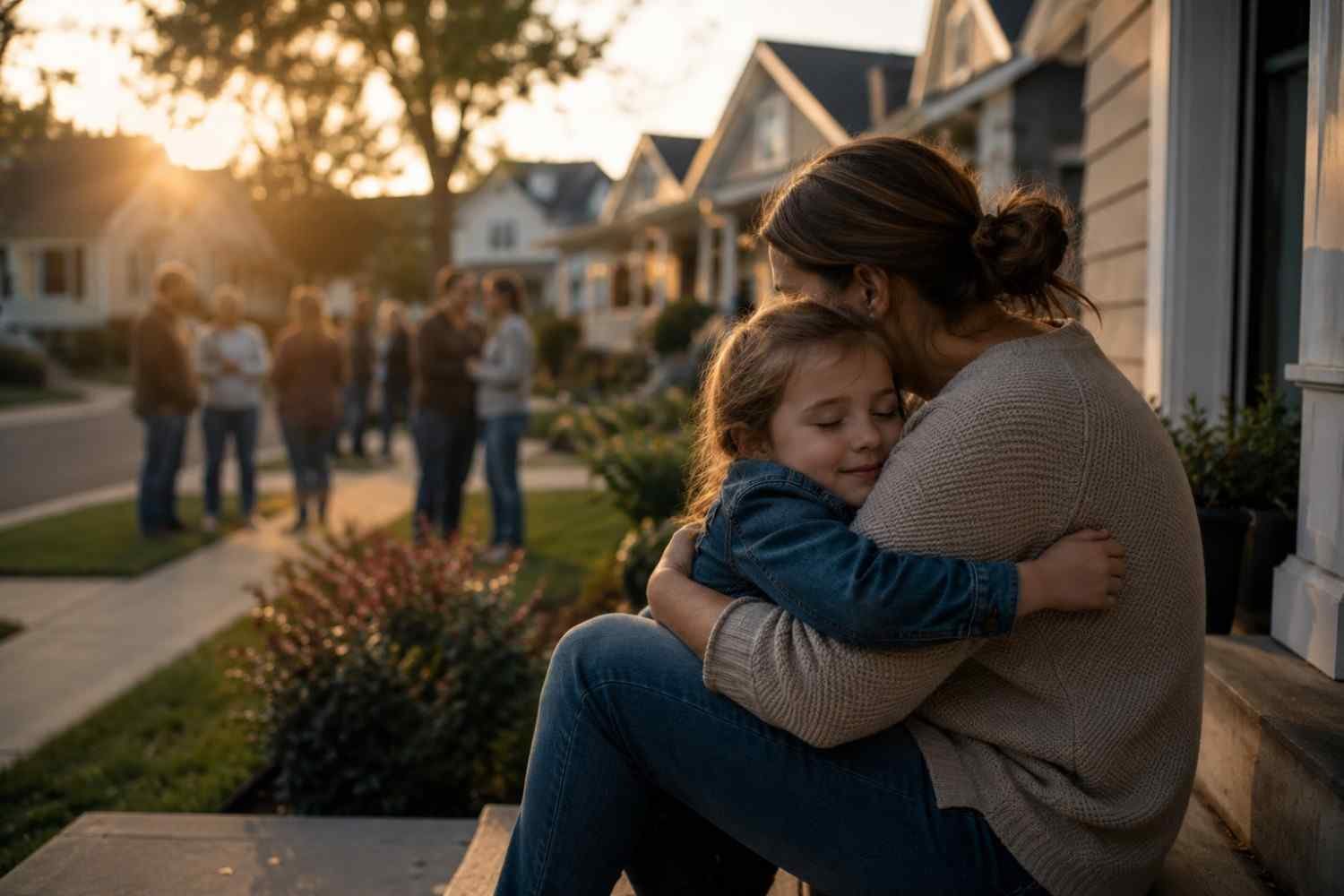
One of the most overlooked effects of local trust is emotional stability.
People who trust their communities generally feel safer asking for help, expressing concerns, and participating in public life. That emotional security strengthens mental well-being and reduces the feeling of isolation many people experience today.
Even small interactions matter. A trusted neighbor checking in during difficult times or a local business supporting struggling families can strengthen community bonds more than large public campaigns sometimes do.
Trust grows slowly through repeated actions, consistency, and shared experiences. But once communities establish it, that trust becomes one of the strongest foundations for long-term growth.
FAQs: How Building Trust Locally Helps Communities Thrive Long-Term
1. Why is local trust important for communities?
Local trust strengthens relationships, improves cooperation, and encourages people to participate in community improvement efforts and long-term planning.
2. How does trust improve civic engagement?
People are more likely to volunteer, attend meetings, support public initiatives, and collaborate with local institutions when they trust community leadership and neighbors.
3. Can strong community trust reduce social division?
Yes. Trust encourages dialogue, empathy, and collaboration, which helps communities become more resilient against polarization and social isolation.
4. How do communities build trust over time?
Communities build trust through transparency, consistent leadership, shared experiences, accountability, and open communication between residents and organizations.
Final Thoughts
Building trust locally creates long-term stability that communities cannot easily replace through funding or policy alone. Trust shapes how residents support one another, how institutions function, and how communities respond during periods of uncertainty. It encourages collaboration, increases civic participation, strengthens emotional connection, and allows people to focus on long-term progress instead of constant short-term survival. Communities with strong trust networks tend to adapt more effectively because people already believe they can rely on one another when challenges appear.
That kind of trust takes time to build, but once established, it becomes one of the most valuable forms of community infrastructure any neighborhood can have.