
I think calming living means changing everything. I imagined moving somewhere quiet, deleting every app, cooking every meal from scratch, and saying no to anything that felt busy. Then I realized that a Slow Living Lifestyle is not about escaping real life.
It is about choosing how I spend my time, energy, money, and attention with more care. Slow living does not ask you to become perfect. It simply asks you to stop rushing through life without noticing what matters.
What Is Slow Living?
Slow living is a way of life built around intention. It means paying attention to your daily choices instead of moving through them on autopilot.
It can look like eating breakfast without scrolling, taking a walk after work, keeping fewer things at home, or leaving space between tasks. The goal is not to do everything slowly. The goal is to stop treating every moment like a race.
You can still work, use technology, raise a family, run errands during work, and enjoy modern life. Slow living simply helps you do those things with more presence and less pressure.
Why Slow Living Feels So Important Today
Daily life can feel loud. There are messages to answer, bills to manage, feeds to check, chores to finish, and goals to chase. Even rest can start to feel like another task.
That is why intentional living feels so useful now. It gives you permission to pause without guilt. It also helps you separate what is urgent from what is actually important.
Instead of filling every free hour, you start asking better questions. Do I need this? Does this support my values? Am I choosing this, or am I reacting?
Slow Living Is Not Laziness

One of the biggest myths about slow living is that it means doing nothing. That is not true. Slow living can be active, productive, creative, and responsible. The difference is that your actions become more thoughtful, whether you are choosing how to spend your time, what you buy, or which ethical beauty products you bring into your routine.
Cooking a simple dinner at home can be slow living. Planning your week before saying yes to more commitments can be slow living. Cleaning your space without rushing through it angrily can also be slow living. It is not about rejecting ambition. It is about building a life where achievement does not cost you your peace.
Benefits of Slow Living
A slower lifestyle can reduce stress because it removes unnecessary pressure from your day. When you stop overloading your schedule, your mind has more room to think clearly.
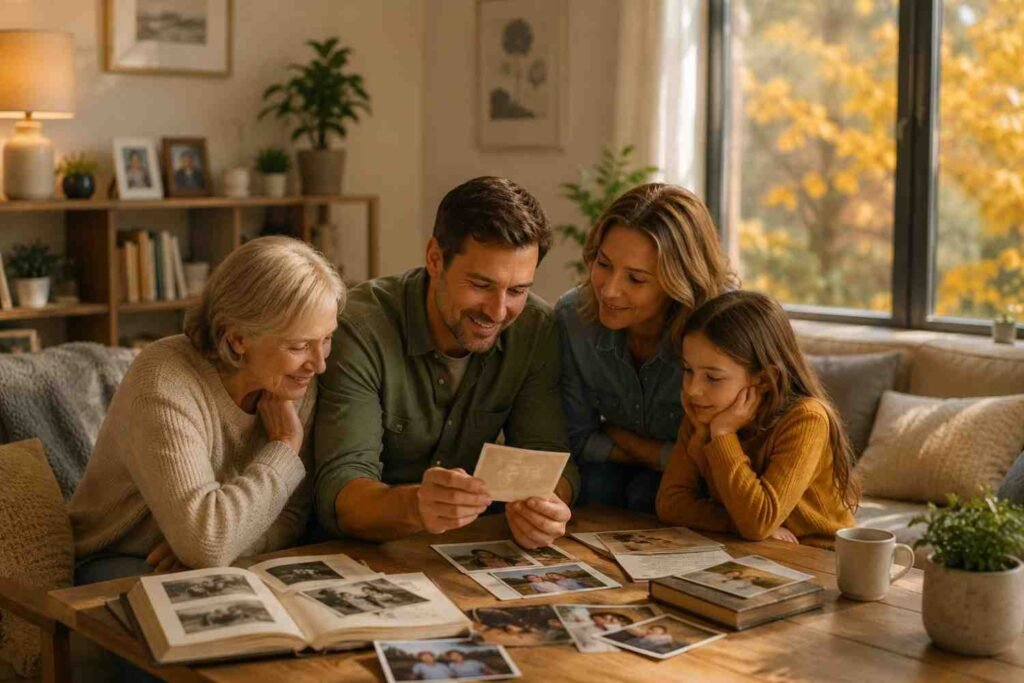
It can also improve relationships. When you are not constantly distracted, conversations feel deeper. You listen better. You notice small moments with family, friends, neighbors, and yourself.
Another benefit is mindful spending. Slow living helps you become more aware of impulse purchases. Instead of buying something because it is trending, you begin choosing items that are useful, lasting, or meaningful.
It can also support better health habits. You may sleep earlier, eat with more attention, walk more often, or create screen-free time for children before bed. These are not dramatic changes, but they can shape a steadier daily rhythm.
How to Start Slow Living Without Changing Everything
Start with one part of your day that feels rushed. For many people, that is the morning. Instead of checking your phone right away, drink water, stretch, open a window, or sit quietly for five minutes. This small pause can change the tone of your whole day.
Next, simplify one routine. Your evening routine, grocery routine, cleaning routine, or work-start routine can all become easier with fewer decisions. You do not need a perfect system. You only need a repeatable one.
Then create small pauses. Leave ten minutes between appointments. Take a walk after lunch. Eat one meal without a screen. Put your phone across the room while you work. These small choices help your body and mind step out of constant reaction mode.
Slow Living Habits That Actually Work
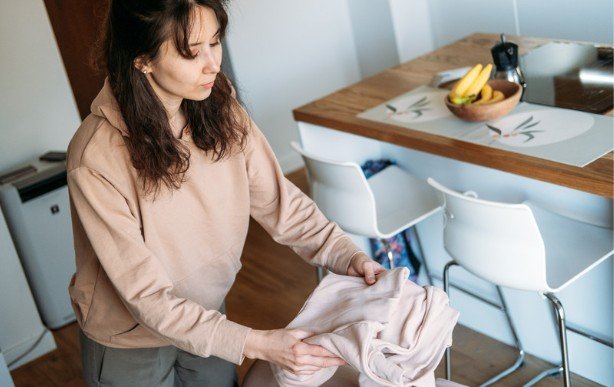
Single-tasking is one of the most useful habits. Instead of answering emails while eating or watching videos while folding laundry, do one thing at a time. It may feel strange at first, but it helps restore focus.
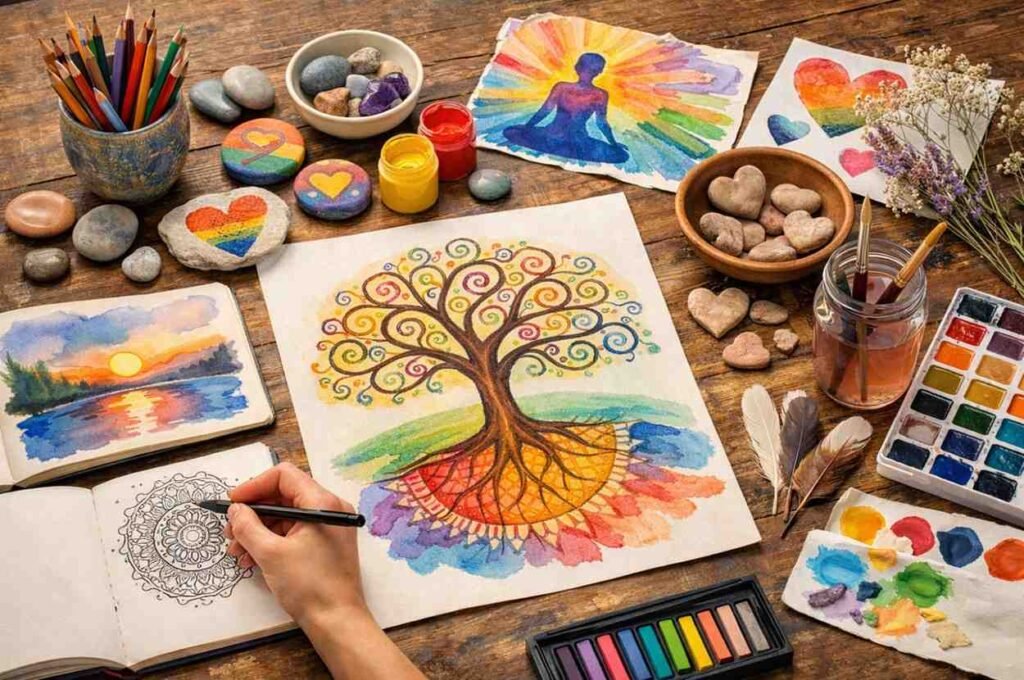
Writing things down also helps. A paper list, journal, or planner can make your day feel less scattered. You can write three priorities, one thing you are grateful for, or one task you will not do today.
Another powerful habit is buying less but choosing better. Before purchasing something, ask whether it solves a real need or just offers a quick mood boost. This habit can make your home feel lighter and your budget feel healthier.
Spending time outdoors matters too. A short walk, backyard coffee, park visit, or quiet moment near a window can reconnect you with the season, weather, and natural pace of the day.
Slow Living at Home
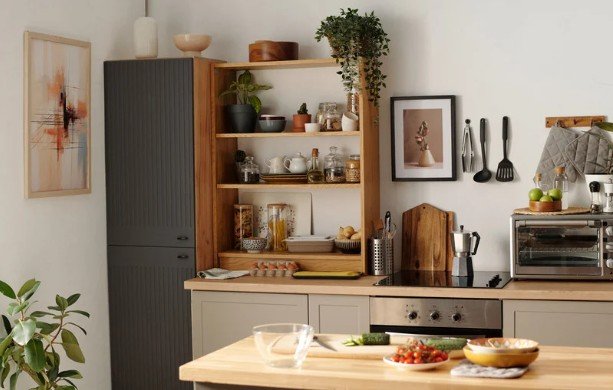
Your home does not need to look like a magazine. A slow home should feel usable, peaceful, and honest. Start by clearing one surface, such as your nightstand, kitchen counter, or desk. Then notice how that small space affects your mood.
Use soft routines instead of strict rules. Light a candle while you read. Play music while cooking. Fold laundry slowly instead of treating it like a punishment. A calm home is not about owning less just to prove a point. It is about making space for the life you want to live.
Slow Living With Work and Technology
You do not need to quit your job or delete every platform to live more slowly. Start with boundaries. Check messages at set times. Turn off nonessential notifications. Protect one focus block during the day. Keep your phone away during meals or before sleep.
Technology can support slow living when you use it with purpose. A calendar can protect rest. A notes app can hold ideas. A timer can remind you to stretch. The problem is not technology itself. The problem is letting it control your attention all day.
Frequently Asked Questions
1. What does slow living mean?
Slow living means making intentional choices with your time, energy, home, money, and attention instead of rushing through life on autopilot.
2. How do I start slow living?
Start small. Choose one routine, remove one source of noise, and add one calm habit you can repeat daily.
3. Is slow living the same as simple living?
They overlap, but they are not exactly the same. Simple living focuses more on reducing excess, while slow living focuses more on attention, pace, and intention.
4. Can I practice slow living in a busy city?
Yes. You can practice it anywhere by setting boundaries, simplifying routines, walking more, reducing digital noise, and choosing your commitments carefully.
5. What is the easiest way to practice Slow Living Lifestyle?
The easiest way is to pause before saying yes, buying something, opening your phone, or filling your schedule. That small pause helps you choose with intention.
A Calmer Way to Move Forward
I like slow living because it does not ask me to become a completely different person. It simply asks me to notice my life before it passes in a blur. I can still have goals, responsibilities, plans, and busy seasons. I just do not have to let hurry become my default setting.
The more I practice slowing down, the more I understand that peace is often built through ordinary choices. A quiet breakfast. A clear counter. A walk without headphones. A no that protects my energy. A yes that feels honest.