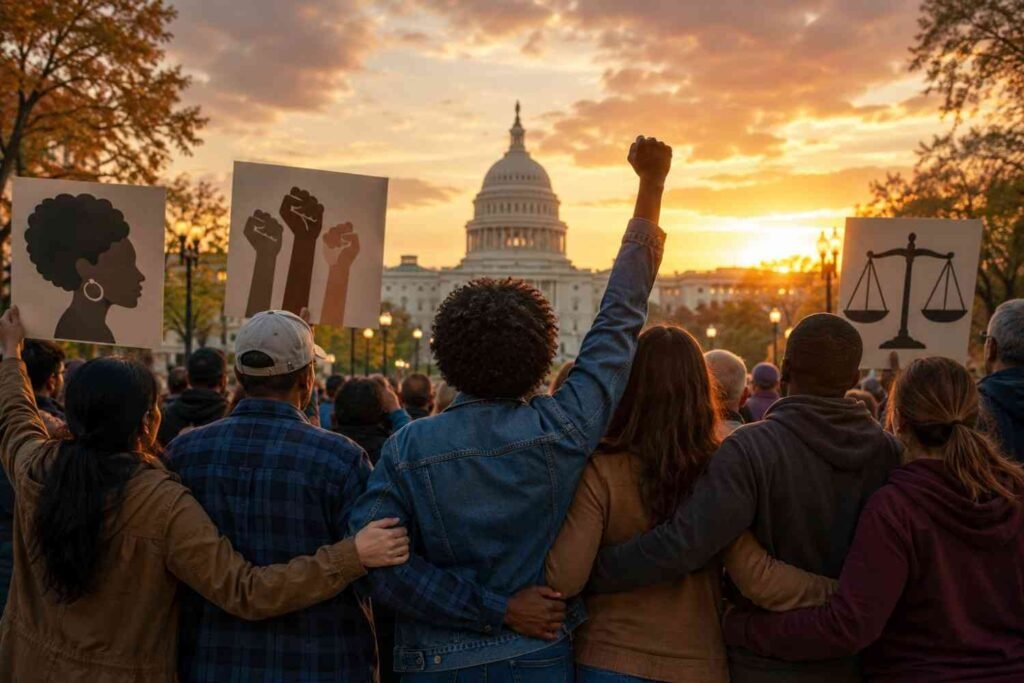
Social justice awareness is often misunderstood as something that only exists in protests, political debates, or online activism. In reality, it shows up in everyday life more often than people realize. It appears when schools create fairer policies, when businesses improve representation, or when communities step in to support people during difficult times. Some of the biggest social changes started because ordinary people decided something unfair needed attention.
Over the last several years, conversations around equality and inclusion have become much more visible across workplaces, sports, entertainment, and digital spaces. Some awareness campaigns changed laws. Others shifted public opinion or encouraged companies to rethink how they operate. What makes these movements important is not just visibility but the lasting conversations they created around fairness, opportunity, and representation.
Grassroots Movements That Created National Conversations
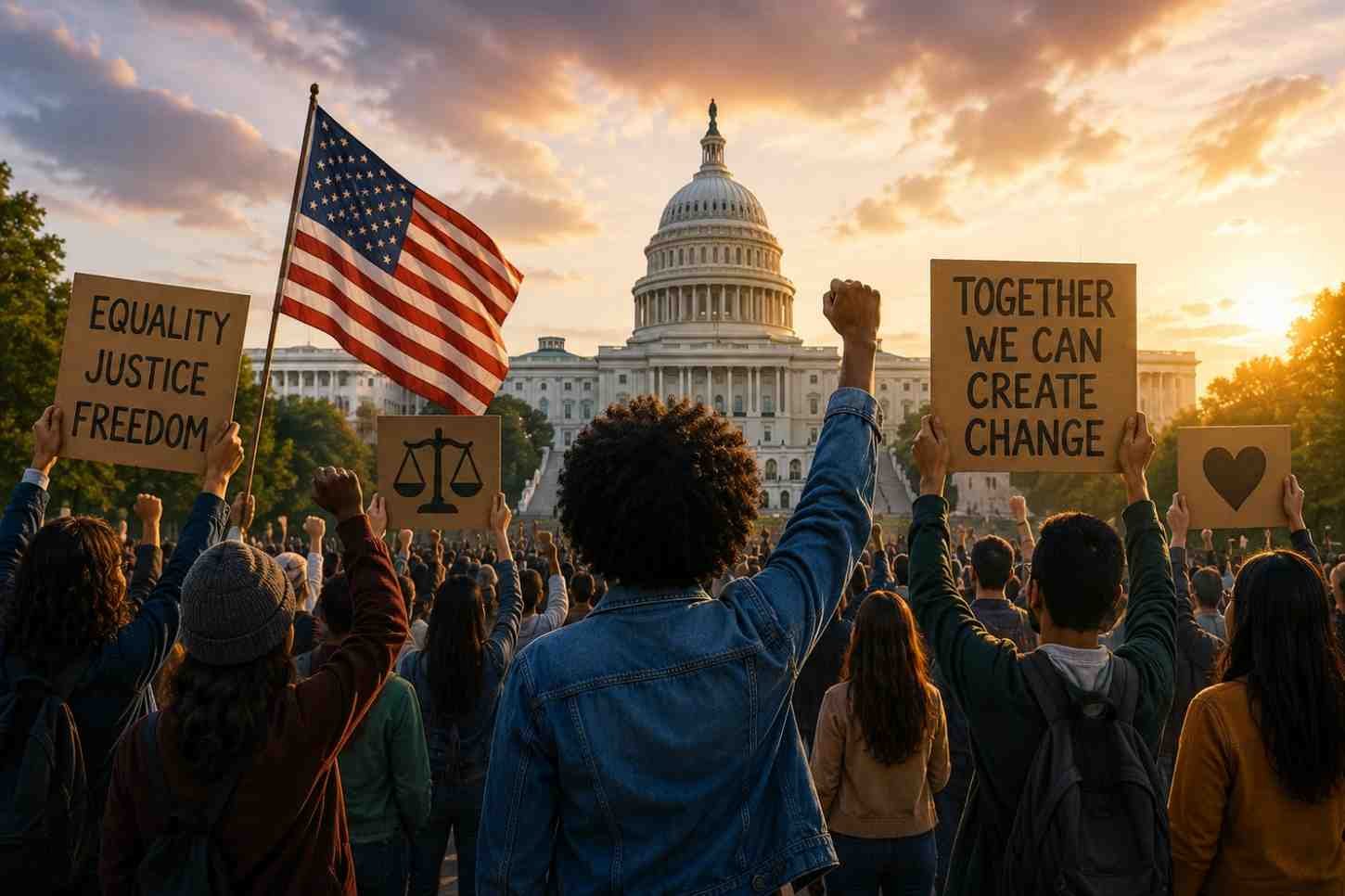
Many powerful social justice movements began at the community level. They gained momentum because people shared personal experiences that others could relate to.
Black Lives Matter And Racial Equality
Black Lives Matter became one of the most recognized examples of social justice awareness in modern culture. The movement pushed conversations about systemic racism and police accountability into mainstream discussions. Schools, businesses, and entertainment companies also faced growing pressure to address diversity and inclusion more openly.
What made the movement impactful was its ability to connect personal experiences with larger structural issues. Many people who previously avoided these conversations began paying attention after seeing communities openly discuss racial inequality.
The Me Too Movement And Workplace Awareness
The Me Too Movement changed how people viewed workplace harassment and abuse. Survivors began sharing experiences publicly, which encouraged others to speak up about situations they had stayed silent about for years.
The movement also forced companies to reevaluate internal policies, reporting systems, and workplace culture. It became a major example of how awareness campaigns can influence both public attitudes and professional environments.
Student Activism Through March For Our Lives
March for Our Lives showed how younger generations could organize around community awareness initiatives. Students used rallies, interviews, and social media to advocate for school safety and stricter gun legislation after experiencing fear within their own schools.
The movement proved that age does not limit influence. Young people became central voices in conversations around safety, mental health advocacy, and public policy.
How Corporate Accountability Became Part Of Social Justice
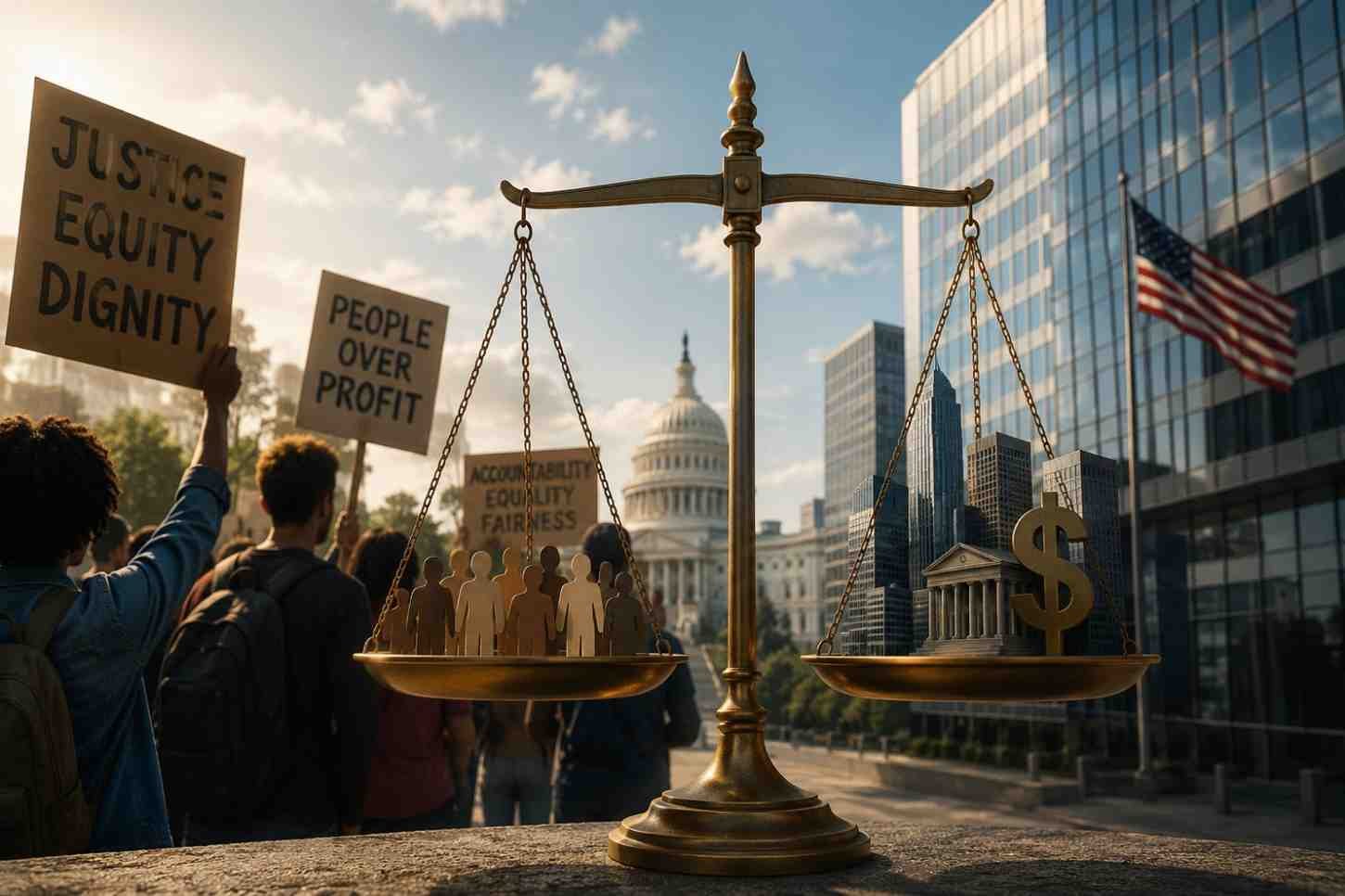
Businesses now face higher expectations from consumers who want companies to support meaningful causes instead of remaining neutral during major social discussions.
The 15 Percent Pledge
The 15 Percent Pledge encouraged major retailers to dedicate shelf space to Black-owned businesses. The campaign focused on economic inclusion and equal opportunities within retail systems.
Instead of relying on symbolic messaging, the pledge pushed companies toward measurable action. It also encouraged consumers to think more carefully about representation within the businesses they support.
Ben & Jerry’s Advocacy Work
Ben & Jerry’s became known for publicly supporting criminal justice reform, racial equity, and voting rights campaigns. Unlike companies that post temporary statements during major events, the brand maintained long-term involvement in community support efforts.
Their activism helped normalize the idea that businesses can participate in broader social change examples rather than staying disconnected from public issues.
Environmental Justice Through Patagonia
Patagonia connected environmental activism with social responsibility by donating part of its profits to grassroots environmental organizations. The company highlighted how climate issues often affect lower-income communities more heavily.
Environmental justice has now become a larger part of social justice activities because people increasingly recognize the connection between environmental harm and economic inequality.
Sports And Entertainment Became Awareness Platforms
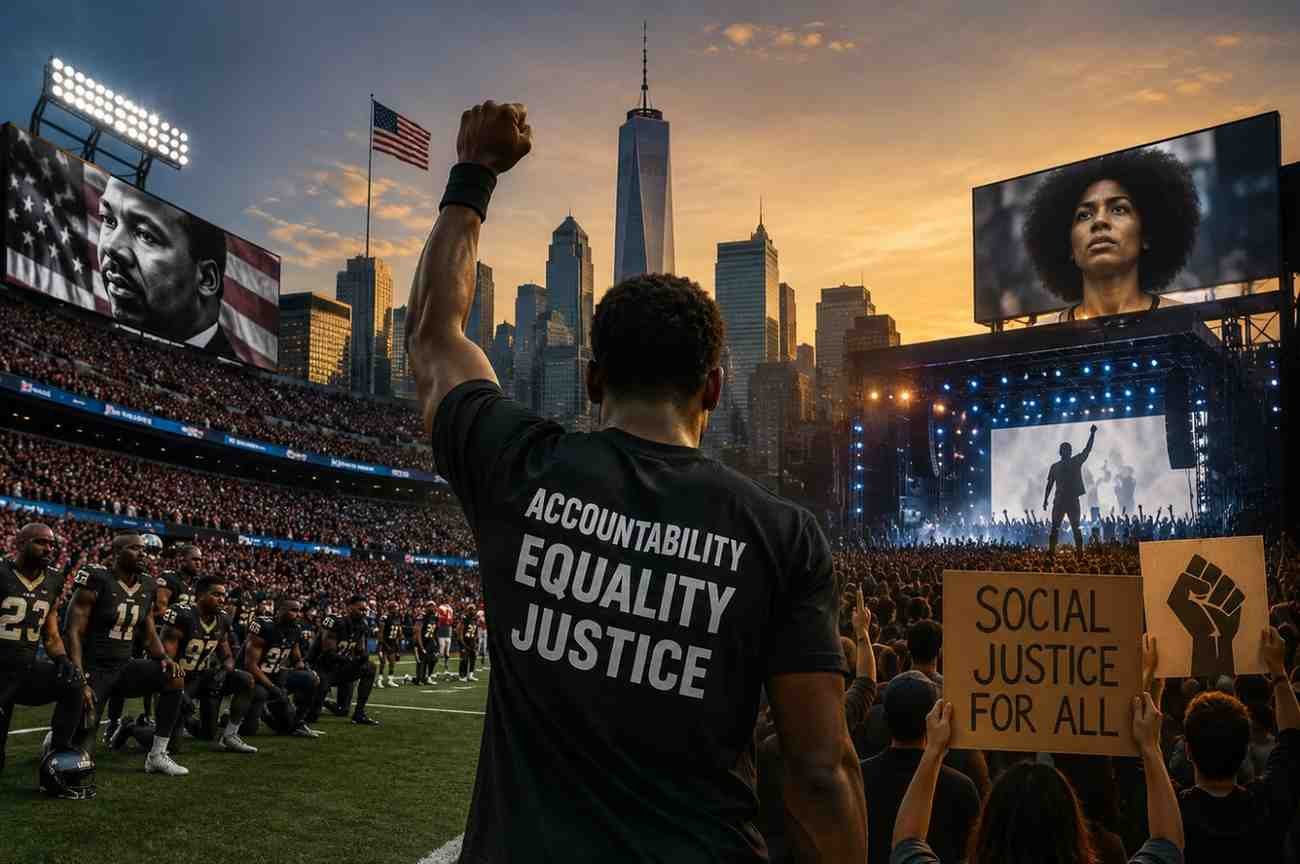
Athletes and entertainers now influence public conversations in ways that go far beyond their industries.
WNBA Activism And Voting Rights
The Women’s National Basketball Association became widely respected for supporting conversations around structural racism and voting rights. Players openly discussed social issues during interviews and public appearances instead of separating sports from activism.
Their visibility encouraged more athletes to speak openly about community outreach and equality issues.
Colin Kaepernick’s Protest
Colin Kaepernick sparked national conversations when he kneeled during the national anthem to protest police brutality. His protest created debates across sports, politics, and media while also drawing attention to racial inequality.
Even years later, his actions remain one of the strongest examples of how symbolic protests can influence awareness on a massive scale.
Hollywood Inclusion Riders
Entertainment industries also faced criticism for unequal hiring practices. Inclusion riders encouraged film studios to prioritize diversity both on-screen and behind the scenes.
These efforts pushed conversations about representation beyond actors alone and focused attention on writers, producers, and production teams as well.
Legislative And Digital Campaigns That Inspired Change
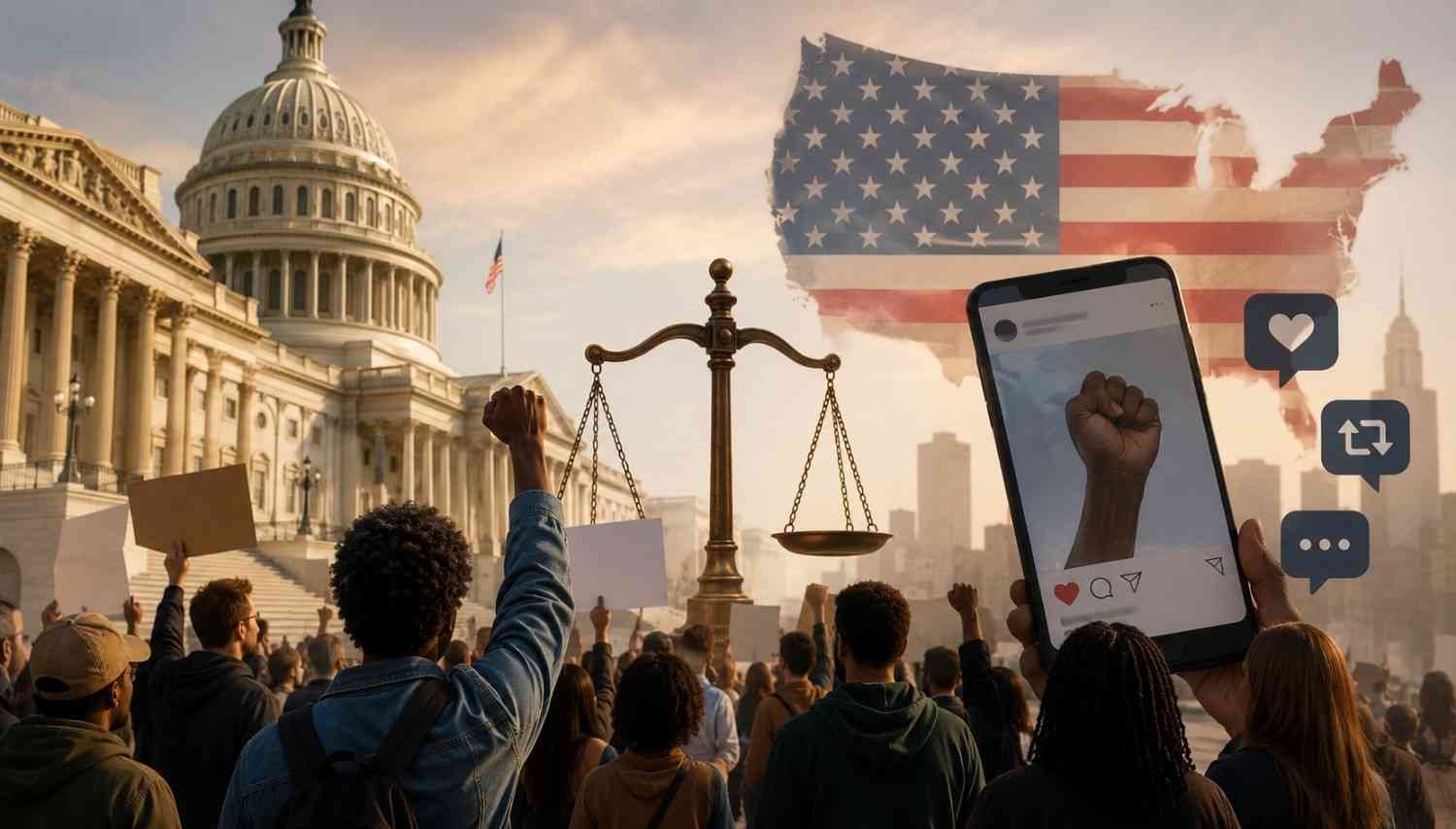
Not every example of social justice awareness comes from protests or celebrity activism. Some of the biggest shifts happened through legislation and digital organizing.
The CROWN Act
The CROWN Act addressed race-based hair discrimination in schools and workplaces. Many appearance policies unfairly targeted cultural hairstyles, especially within Black communities.
The legislation helped protect employees and students from discriminatory standards that had often been ignored for years.
Mutual Aid Networks During Crises
Mutual aid networks became especially important during economic hardships and public emergencies. Communities used social media to organize food deliveries, healthcare support, transportation, and financial assistance.
These efforts reminded people that social justice awareness is not always tied to national headlines. Sometimes it simply means helping neighbors during difficult moments.
A few everyday examples of social justice activities include:
- Supporting accessible education programs
- Volunteering within local communities
- Advocating for workplace diversity awareness
- Speaking against discrimination respectfully
- Supporting local businesses from underrepresented communities
Conversations around social unity ideas often begin with these smaller actions because they encourage communities to think collectively rather than individually.
Why Social Justice Awareness Still Matters
Many people feel exhausted by constant online arguments around social issues. That reaction makes sense. But social justice awareness is not only about conflict or politics. At its core, it focuses on fairness, equal treatment, and understanding how systems affect different groups of people.
The most impactful social justice movements succeed because they encourage people to listen, question unfair systems, and create more inclusive communities over time. Some changes happen through legislation, while others happen through everyday conversations and local action.
FAQ’s: Examples Of Social Justice Awareness That Inspire Positive Change
1. What Is Social Justice Awareness?
Social justice awareness means recognizing inequality, discrimination, and unfair treatment while encouraging actions that support fairness and inclusion.
2. Why Are Grassroots Movements Important?
Grassroots movements help communities organize around shared experiences and bring attention to issues larger institutions sometimes ignore.
3. How Does Social Media Help Awareness Campaigns?
Social media allows awareness campaigns to spread quickly, encourages storytelling, and helps communities organize support efforts more effectively.
4. Can Small Actions Support Social Justice?
Yes. Everyday actions like volunteering, supporting inclusion, and speaking respectfully against discrimination can contribute to long-term social change.
Final Thoughts
The strongest examples of social justice awareness often begin with ordinary people recognizing unfair situations around them. Some movements become global conversations, while others stay within local communities. Both matter because they influence how people think about equality, representation, and opportunity over time. Whether it happens through activism, workplace reforms, legislation, or community support, awareness continues shaping cultural attitudes in meaningful ways.
Real progress rarely happens overnight. Most lasting change grows slowly through conversations, accountability, and people refusing to ignore inequality when they see it.