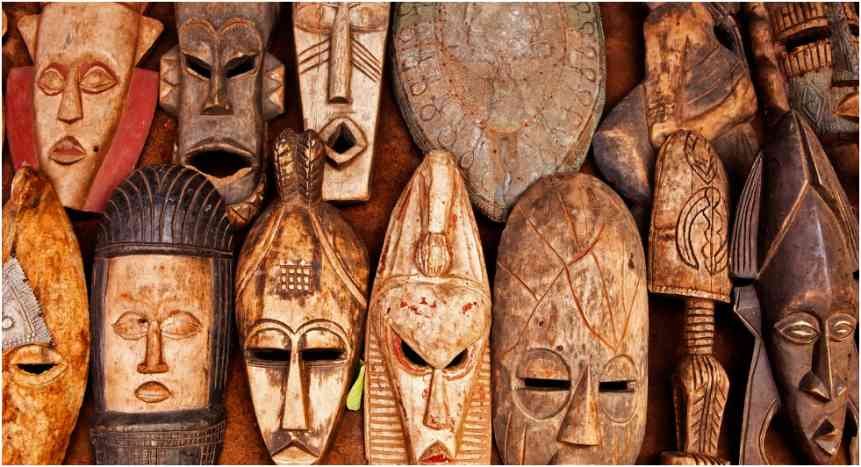
The relationship between art and culture becomes clear the moment you look closely at a painting, song, dance, mural, film, or digital artwork. Art rarely appears from nowhere. It carries the beliefs, struggles, humor, materials, memories, and values of the people who create it.
I think of art as culture made visible. Culture gives art its roots. Art gives culture a voice. Together, they form a cycle that keeps identity alive while also allowing society to question, adapt, and grow.
What Is the Relationship Between Art and Culture?
The relationship between art and culture is symbiotic. That means both depend on each other and shape each other over time.
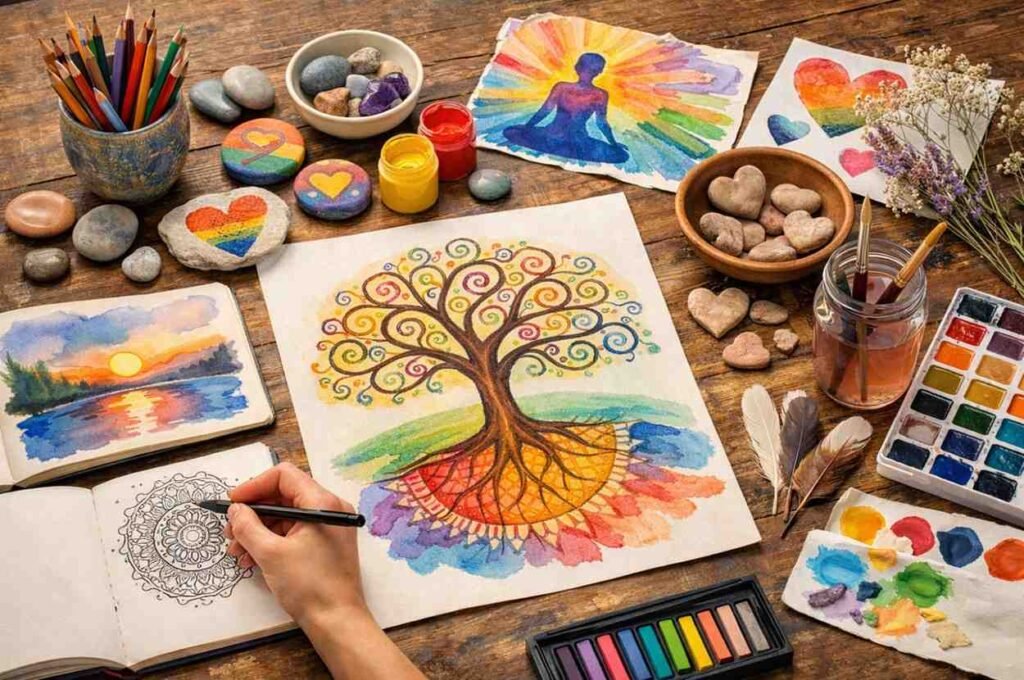
Culture includes the shared language, customs, food, religion, laws, values, rituals, and social habits of a group. Art is one way people express those shared experiences. It may appear as painting, sculpture, music, literature, dance, theater, film, fashion, street art, digital art, or architecture.
UNESCO connects culture with heritage, creativity, arts, museums, intercultural dialogue, and sustainable development, which shows how broad this relationship can be. Culture is not only about the past. It also includes the creative systems that help communities express who they are now.
So, when you study art, you are often studying culture in physical, emotional, or symbolic form.
Art and Culture Are Different, But They Work Together
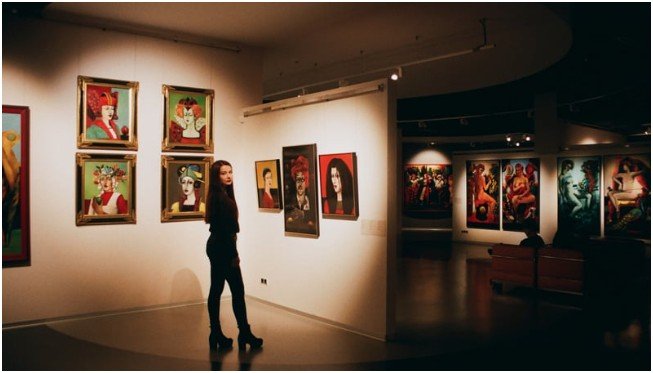
Art and culture are closely connected, but they are not the same thing. Understanding the difference helps you see their relationship more clearly.
Art Is Creative Expression
Art is individual or collective creative expression. It can be visual, musical, literary, theatrical, digital, or performative. A painting, protest poster, folk song, poem, short film, or public mural can all be art.
Art often begins with a personal vision, but that vision still grows from a cultural setting. Even when an artist rebels against tradition, that rebellion responds to culture.
Culture Is the Shared Way of Life
Culture is the larger system around art. It includes the beliefs, traditions, values, customs, behaviors, and social rules that shape how people live.
For example, a wedding song is art. The wedding customs, clothing, food, family roles, and rituals around that song are culture. The song expresses the culture, while the culture gives the song its emotional meaning.
How Culture Shapes Art
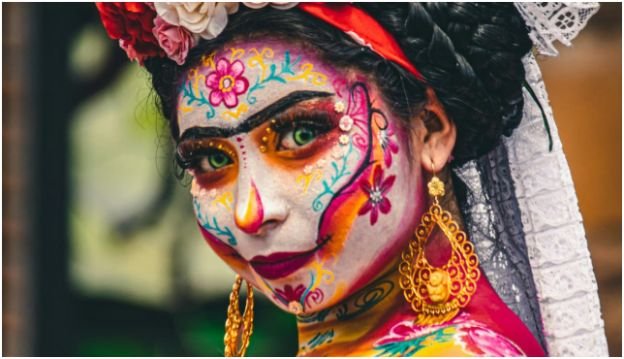
Culture shapes what artists make, how they make it, and what audiences understand from it.
Culture Gives Art Meaning
A symbol can mean one thing in one society and something completely different in another. Colors, animals, gestures, clothing, and patterns often carry cultural meaning.
For example, a white dress may suggest purity in one cultural setting, while white clothing may connect to mourning in another. The image itself does not carry one universal meaning. Culture teaches people how to read it.
This is why cultural context matters. Without it, art can look beautiful but feel incomplete.
Local Materials Shape Creative Traditions
Culture also grows from place. Local resources influence the kinds of art communities create.
Japanese woodblock printing developed through specific tools, paper, carving methods, and print traditions. African textile weaving reflects local fibers, dyes, patterns, and social meanings. Clay, stone, wood, metal, pigment, fabric, and digital tools all shape creative expression.
The material is never just material. It often carries geography, economy, labor, and tradition.
Beliefs Decide What Feels Sacred, Beautiful, or Taboo
Religious, spiritual, and social beliefs also shape art. They influence what a culture considers sacred, beautiful, respectful, controversial, or forbidden.
In some traditions, art centers on gods, ancestors, rituals, or moral stories. In others, it celebrates daily life, political identity, nature, or personal emotion.
That is why art history is never only about style. It is also about values.
How Art Shapes Culture
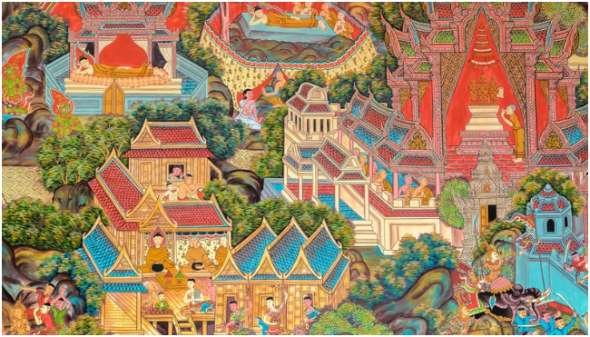
Culture shapes art, but art also shapes culture. This is where the cycle becomes powerful.
Art Preserves Cultural Identity
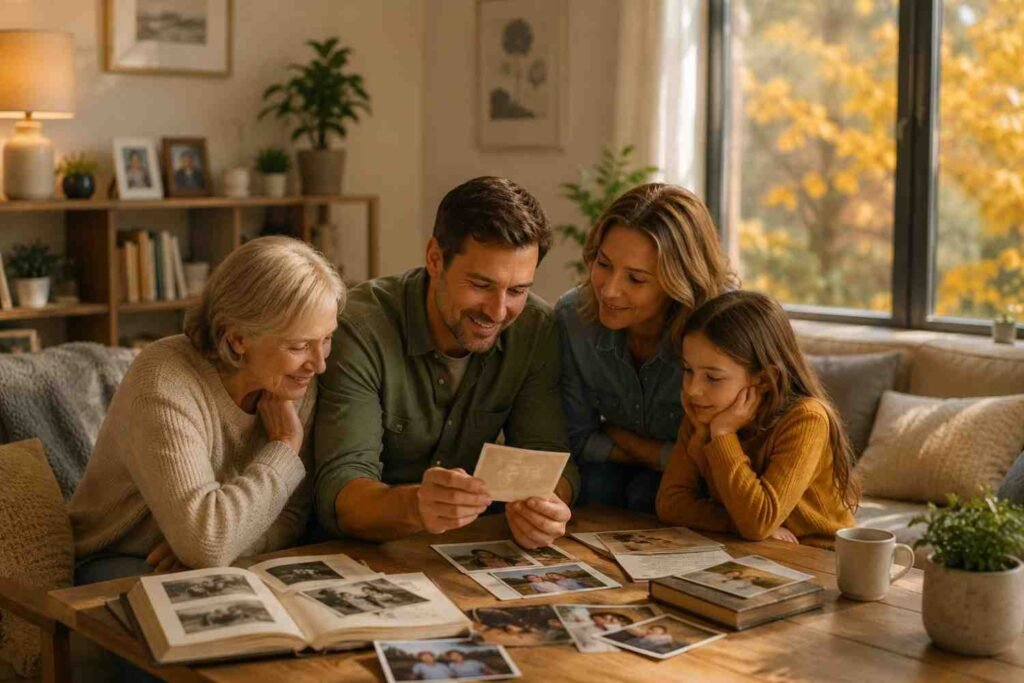
Art helps communities remember who they are. Songs, dances, oral stories, handmade objects, paintings, monuments, and festivals carry memory across generations.
The Smithsonian Center for Folklife and Cultural Heritage provides educational materials connected to cultural heritage, traditions, and living expressions, showing how creative forms can help preserve community knowledge.
A family recipe, a folk dance, a quilt pattern, or a mural can hold history in ways textbooks sometimes cannot. Art makes memory emotional and shareable.
Art Challenges Social Norms
Art does not only preserve culture. It can also challenge it.
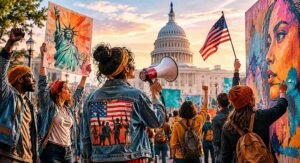
Protest art, political cartoons, spoken-word poetry, documentary film, street murals, and performance art often question power. They can expose injustice, challenge stereotypes, and push society toward reform.
This connects strongly with contemporary culture and social change, because creative work often becomes part of public debate. A poster, song, or viral image can move faster than a formal speech. It can make people feel an issue before they analyze it.
Art Builds Empathy Across Communities
Art can cross language barriers. You may not understand every word in a song, but you can feel grief, joy, pride, longing, or resistance.
That emotional bridge matters. The National Endowment for the Arts reported in 2024 that arts engagement is being studied in connection with social connectedness among U.S. adults, based on U.S. Census Bureau Household Pulse Survey data.
Art gives people a way to meet another culture without reducing it to facts. It invites attention, curiosity, and empathy.
Modern Digital Art Forms and Cultural Change
The relationship between art and culture has changed quickly because digital tools have changed how people create and share work.
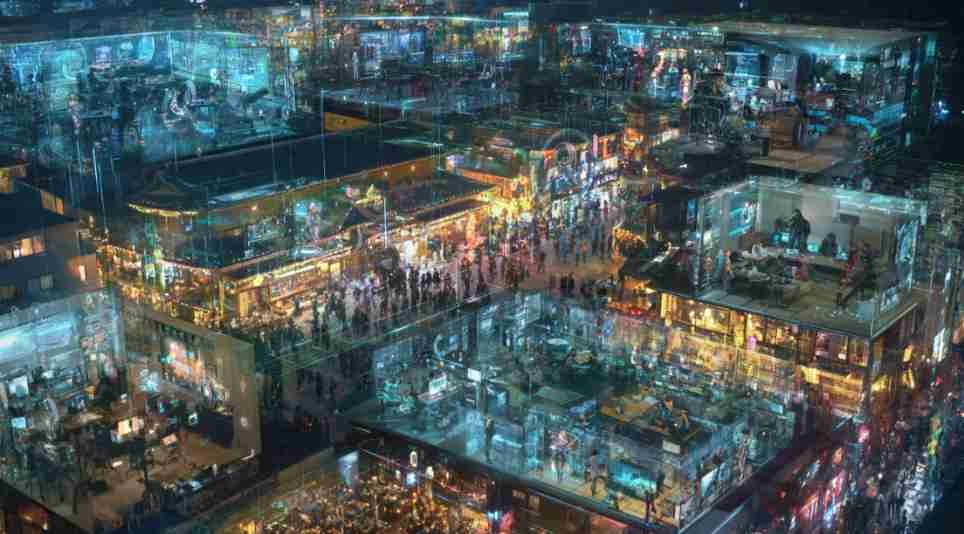
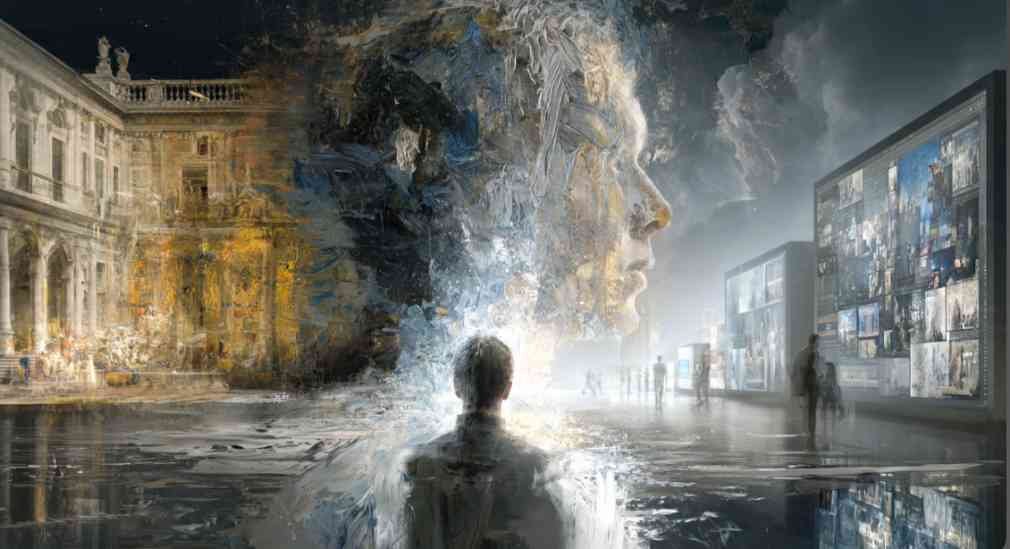
Modern digital art forms use technology as part of the artwork itself. These include generative art, AI art, VR art, AR art, crypto art, pixel art, digital painting, 3D sculpting, and projection mapping.
Digital Art Makes Culture More Accessible
Traditional art often depends on physical space. A painting may sit inside one gallery. A sculpture may belong to one city. A performance may happen once.
Digital art can travel instantly. Social media, online galleries, cloud storage, and digital archives allow artists to reach global audiences without expensive materials or elite gatekeepers.
That access has changed culture. More people can create. More people can publish. More people can participate.
AI, VR, AR, and Generative Art Are Changing Expression
AI art turns text prompts into images. Generative art uses code and algorithms to create patterns. VR art builds immersive three-dimensional worlds. AR art places digital objects into real-world spaces through screens.
These forms blur the line between artist, tool, and audience. In interactive digital art, the viewer may move, click, speak, or participate. The artwork responds.
That changes culture from something people observe into something they help shape.
A Simple Way to Read Culture Through Art
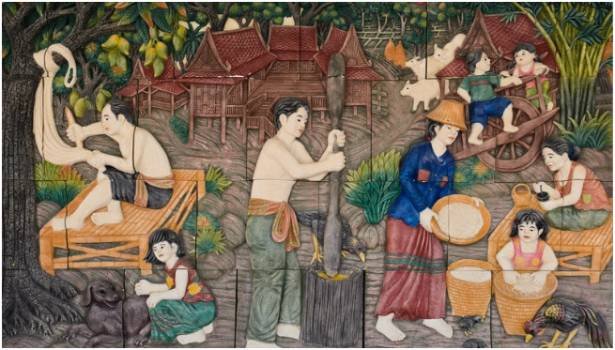
Here is the original method I use when studying the relationship between art and culture: I call it the cultural fingerprint test.
When I look at an artwork, I ask five questions.
What materials did the artist use? What belief or value appears in the work? What social issue or tradition does it reflect? Who was the intended audience? What emotion does the work ask people to feel?
For example, imagine a public mural showing immigrant families, local landmarks, native plants, and protest signs. The mural is not only decoration. It reveals migration history, neighborhood identity, environmental memory, political concern, and shared pride.
One artwork can act like a fingerprint. It carries many marks from the culture that produced it.
Why the Relationship Between Art and Culture Matters Today
The relationship between art and culture matters because society changes fast. Communities face migration, digital media, climate pressure, political division, and shifting identities.
Art helps people process those changes. Culture gives those expressions meaning. Together, they help people preserve roots while adapting to new realities.
Google’s own guidance on helpful content also supports this kind of people-first approach: content should be useful, reliable, and created for readers rather than search engines alone. That same idea applies to art. The strongest creative work serves real people, real memory, and real human experience.
When art loses culture, it can feel empty. When culture loses art, it can become silent.
FAQs
1. What is the relationship between art and culture?
The relationship between art and culture is a two-way connection. Culture shapes the themes, materials, symbols, and values found in art. Art reflects, preserves, questions, and sometimes changes culture.
2. How does culture influence art?
Culture influences art through religion, history, geography, language, traditions, social values, and local materials. These factors guide what artists create and how audiences understand it.
3. How does art reflect culture?
Art reflects culture by showing what a society values, fears, celebrates, remembers, or challenges. Paintings, music, dance, films, and digital works can all reveal cultural identity.
4. Can art change culture?
Yes. Art can change culture by challenging norms, spreading new ideas, inspiring social movements, and helping people see familiar issues in fresh ways.
The Final Brushstroke: Culture Speaks, Art Answers
The relationship between art and culture is not a quiet background idea. It shapes what we create, what we protect, what we question, and what we pass on.
I see art as one of the clearest ways culture tells the truth about itself. Sometimes that truth is beautiful. Sometimes it is uncomfortable. Either way, it matters.
The next time you see a mural, song, film, dance, handmade object, or digital artwork, do not ask only, “Do I like it?” Ask, “What culture made this possible?” That one question can turn a simple viewing moment into a deeper human connection.