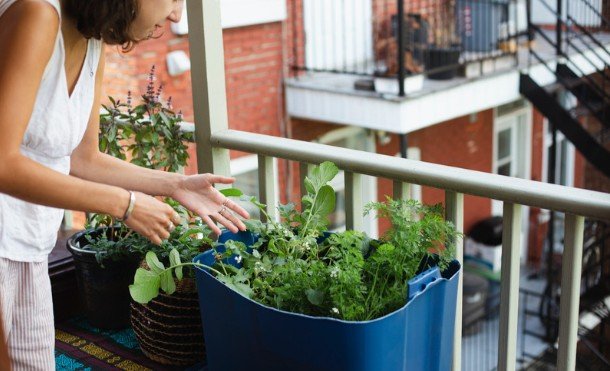
A gardening needed a backyard, raised beds, and a lot of free time. Then I realized that Urban Gardening Ideas can work almost anywhere, from a sunny kitchen window to a small balcony, patio corner, rooftop, or shared courtyard. The secret is not having more space. It is using the space you already have in a smarter way.
City gardening is perfect for anyone who wants fresh herbs, a calmer home, better air, and a small daily connection with nature. You do not need to start big. A basil pot, a hanging planter, or a few lettuce containers can turn a plain corner into something useful and beautiful.
What Is Urban Gardening?
Urban gardening means growing plants in city spaces where traditional gardens may not fit. It can include balcony gardens, rooftop gardens, container gardens, vertical gardens, indoor herb shelves, raised beds, and community garden plots.
The best part is flexibility. You can grow food, flowers, RHS plants for pollinators, or low-maintenance greenery based on your space, sunlight, budget, and schedule. That is why this style of gardening works so well for renters, apartment dwellers, students, busy families, and anyone with limited outdoor space.
Start With the Space You Have
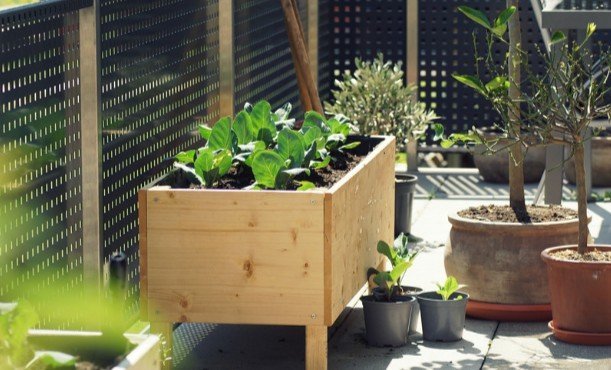
Before buying pots or seeds, look closely at your available space. A balcony with six hours of sun can support tomatoes, peppers, herbs, strawberries, and flowers. A shaded patio may work better for mint, parsley, lettuce, spinach, ferns, or coleus.
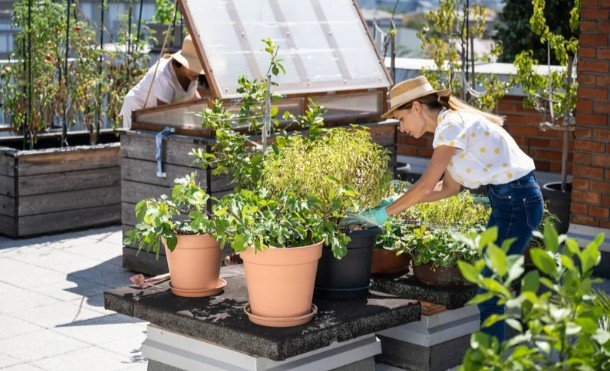
A sunny windowsill is ideal for basil, chives, green onions, microgreens, and small succulents. A rooftop can hold grow bags, lightweight planters, and raised beds if the building allows it. A blank wall or railing can become a vertical garden with shelves, hanging baskets, or pocket planters.
Measure your area first. Then check sunlight during the morning, afternoon, and evening. This simple step prevents one of the most common beginner mistakes: choosing plants that do not match the light, especially if your garden supports fresh meals and ethical food choices.
Best Small-Space Garden Ideas for Beginners
Container gardening is the easiest place to start. Use pots, buckets, grow bags, railing boxes, or recycled containers with drainage holes. Herbs like basil, thyme, rosemary, parsley, mint, and cilantro are beginner-friendly and useful in daily cooking.
Grow bags are great for balconies because they are lightweight and easy to move. You can use them for potatoes, tomatoes, peppers, carrots, and leafy greens. Cardboard box potato growing is another creative option for people who want an affordable experiment.
Window boxes also work well if your space is narrow. They can hold herbs, lettuce, edible flowers, or trailing plants. If you want color, try marigolds, petunias, nasturtiums, or pansies.
Vertical Gardening for Tiny Homes
When floor space is limited, grow upward. Vertical gardening is one of the smartest ways to make a small area feel lush without making it crowded.
You can use a ladder shelf, wall planter, hanging shoe organizer, pallet planter, put up on a trellis planter, or stackable pot system. A trellis is especially useful for climbing plants like peas, beans, cucumbers, jasmine, or morning glories.
Rain gutter gardens are another clever idea. Mount clean gutters on a wall or railing and use them for shallow-rooted plants like lettuce, strawberries, herbs, and small flowers. This works well when you want a green wall without heavy containers.
Balcony and Apartment Garden Ideas
Balcony gardening needs smart planning because weight, wind, and building rules matter. Choose lightweight containers, self-watering pots, grow bags, and railing planters instead of heavy ceramic pots.
Place taller plants near walls so they do not tip over in strong wind. Use saucers under containers to prevent water from dripping onto lower floors. If your balcony gets intense afternoon sun, group plants together so they shade each other slightly and hold moisture longer.
For privacy, grow climbing vines on a trellis, place tall grasses in narrow planters, or use bamboo-style screens with hanging baskets. This gives your balcony a cozy garden feel without permanent changes.
Indoor Gardening Without a Balcony
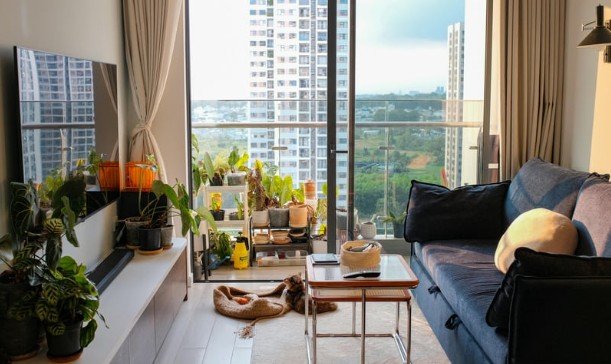
You can still garden indoors if you do not have outdoor space. Start with microgreens because they grow quickly and need very little room. You can grow them on a kitchen counter in shallow trays.
A direct sunlight house plan can support herbs, aloe vera, jade plants, green onions, and small leafy greens. If your home does not get enough natural light, use a simple grow light. Many compact indoor garden kits also include built-in lights and water systems.
Hydroponic herb gardens are useful for people who want fresh herbs year-round with less mess. They are not always the cheapest option, but they can be practical in apartments where soil spills are a concern.
Budget-Friendly DIY Garden Ideas
You do not need an expensive setup to begin. Reuse clean buckets, food containers, crates, jars, and baskets. Just make sure each container has proper drainage.
A pallet wall planter can hold herbs and flowers. Mason jars can work for water-rooting green onions or herbs, though soil plants need drainage. A shoe organizer can become a hanging garden for herbs, strawberries, or small greens.
You can also regrow some food scraps. Green onions, celery bases, lettuce bottoms, and some herb cuttings can restart in water before moving to soil. This is a simple way to make gardening feel fun and low-risk.
Best Plants for Urban Gardens
For full sun, choose tomatoes, peppers, basil, rosemary, strawberries, cucumbers, marigolds, lavender, and zinnias. For partial sun, try lettuce, spinach, parsley, cilantro, mint, chives, and pansies.
For indoor spaces, choose microgreens, pothos, aloe, basil, mint, green onions, spider plants, and snake plants. If you want a low-maintenance garden, pick drought-tolerant herbs and hardy houseplants.
If you want your garden to support bees and butterflies, add pollinator-friendly plants such as lavender, marigold, nasturtium, salvia, and native flowers that suit your climate.
Common Mistakes to Avoid
The biggest mistake is poor drainage. Plants sitting in wet soil often develop root rot. Always use containers with drainage holes. The second mistake is using the wrong pot size. Tiny pots dry out fast, while oversized pots can hold too much moisture for small seedlings.
Overwatering is another common issue. Check the soil with your finger before watering. If the top inch still feels damp, wait. Also avoid choosing plants only because they look pretty online. Your light, space, wind, and routine matter more than a perfect photo.
How to Keep Your Garden Low-Maintenance
Choose fewer plants and care for them well. Use self-watering pots if you travel or forget to water. Add mulch on top of large containers to hold moisture. Group plants with similar water needs together.
Keep tools simple: a hand trowel, watering can, pruning scissors, gloves, and good potting mix are enough for most beginners. Spend ten minutes a few times a week checking leaves, soil, and new growth. Small care habits prevent big problems later.
Frequently Asked Questions
1. What are the easiest Urban Gardening Ideas for beginners?
The easiest options are container herbs, microgreens, grow bags, railing planters, hanging baskets, and window boxes. These need less space, cost less to start, and are easier to manage than large garden beds.
2. Can I grow vegetables in a small apartment?
Yes. You can grow lettuce, spinach, herbs, green onions, microgreens, radishes, peppers, and compact tomato varieties in pots or grow bags. A sunny window or grow light helps a lot.
3. What is the cheapest way to start an urban garden?
Start with reused containers, herb cuttings, food-scrap regrowing, seed packets, and basic potting mix. You can upgrade later once you learn what grows best in your space.
4. Do urban gardens need full sunlight?
Not always. Fruiting plants need more sun, but many herbs, leafy greens, and houseplants can grow in partial light. Match your plants to the sunlight you actually have.
Final Thoughts for a Greener Small Space
I like urban gardening because it proves that a peaceful green corner does not require a large yard. A few pots can change how a balcony feels. A herb shelf can make a kitchen warmer. A tiny garden can make daily life feel slower, fresher, and more personal.
Start with one container, one plant, and one small habit. Once you see new leaves appear, you will probably want to grow more.