
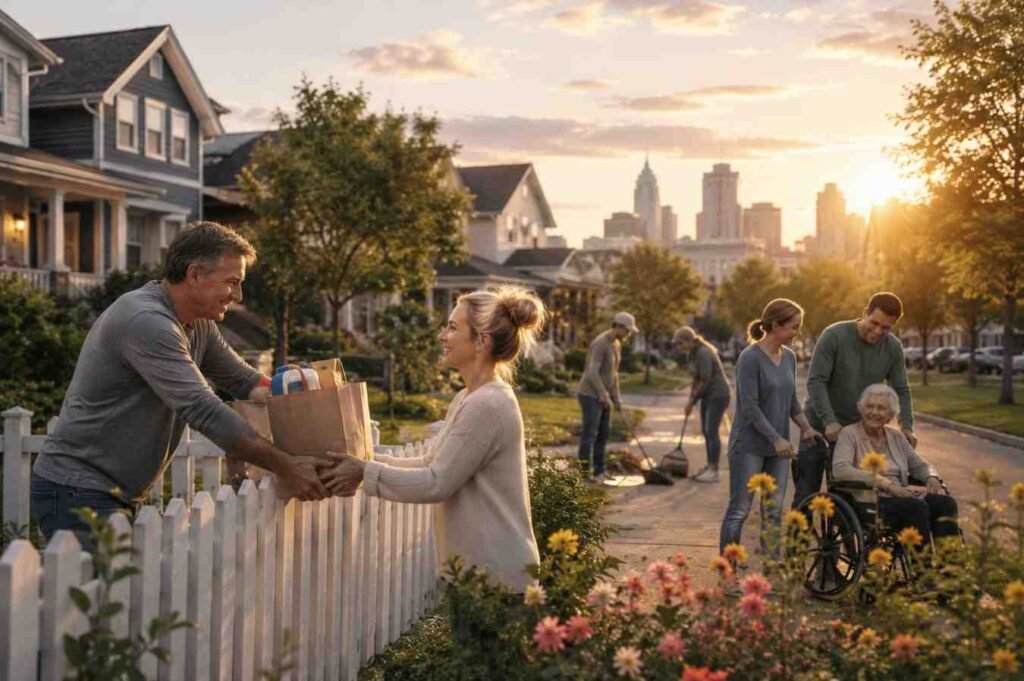
A few months ago, I watched a small moment completely change the atmosphere of a crowded grocery store. An elderly man was struggling to carry his bags while trying to pay at the counter. Before employees even reacted, another customer quietly stepped forward, helped him pack everything, and walked him to his car. It lasted maybe three minutes. Nobody applauded. Nobody recorded it for social media. But the mood around that checkout line shifted instantly.
That is the strange power of compassionate daily living. Small actions often create effects much larger than people expect. In modern communities where stress, isolation, and constant distraction have become normal, everyday compassion quietly rebuilds the kind of social connection many neighborhoods lost over time.
People often imagine compassion as something dramatic or extraordinary, but communities usually change through repeated small behaviors. Checking on a neighbor, listening carefully during a conversation, helping someone without expecting recognition, or simply showing patience during stressful moments all contribute to stronger and healthier social environments.
Compassion Creates Stronger Communities Over Time
Modern life can feel deeply transactional. People move quickly, interact digitally, and often treat relationships like temporary exchanges instead of long-term connections. Compassion interrupts that cycle.
Communities built around empathy and mutual support tend to develop stronger social resilience because people feel less emotionally isolated during difficult periods. Researchers studying compassionate communities and public health initiatives have repeatedly linked social connection with lower stress levels, improved emotional wellbeing, and stronger community trust.
That connection matters because emotional isolation has quietly become one of the defining problems in many neighborhoods. People may live close together physically while remaining disconnected socially.
The Ripple Effect of Small Actions
Compassionate behavior spreads faster than most people realize. A small act of kindness often encourages others to behave differently within the same environment.
You can see this through:
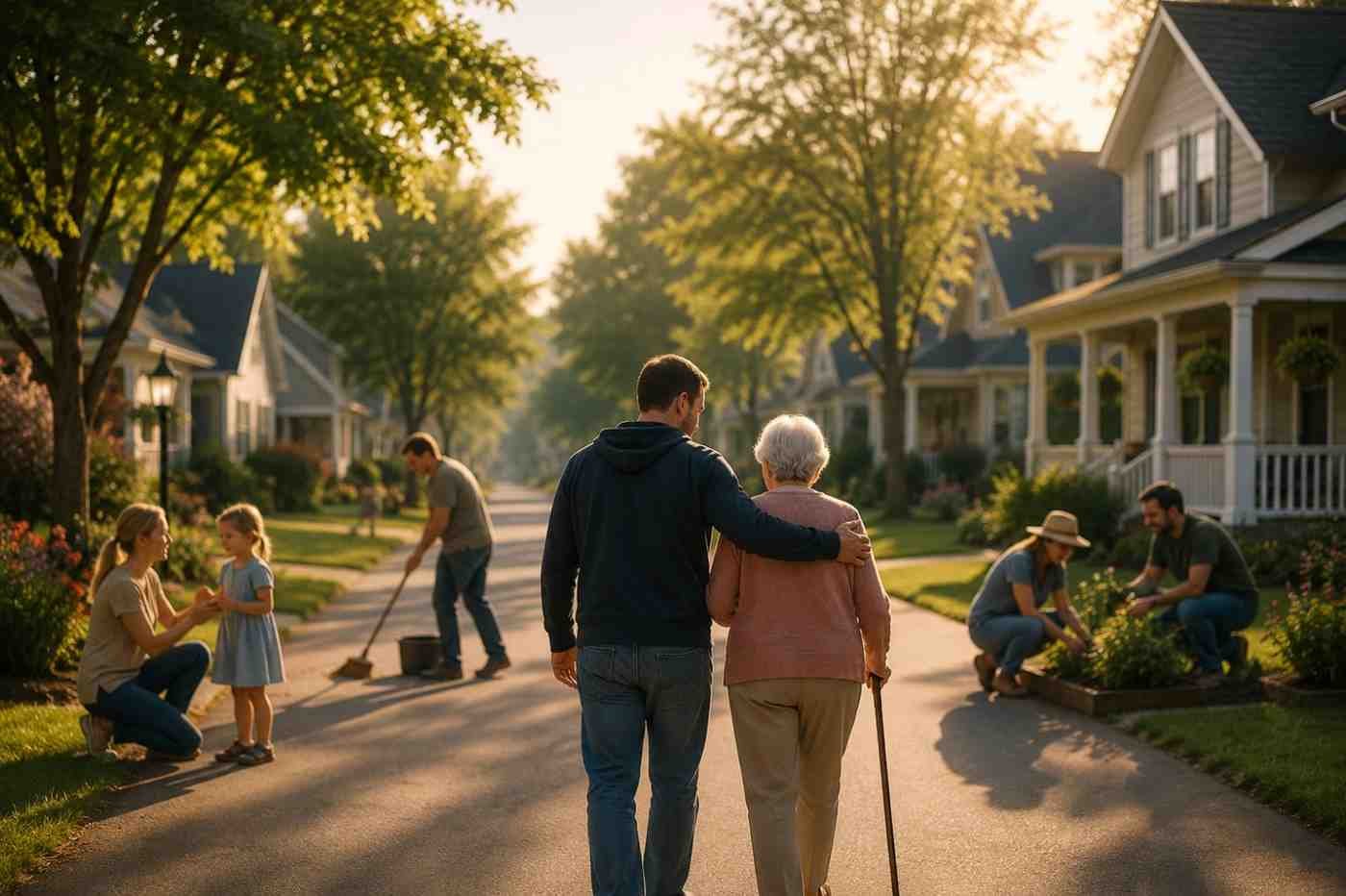
- Neighbors checking on elderly residents
- volunteer-led food programs
- community donation efforts
- mentorship initiatives
- public acts of patience and generosity
- local mutual aid groups
Simple interactions help create emotional trust between people who otherwise might remain strangers. Over time, those interactions strengthen community engagement and civic participation.
This is also why conversations around ethical lifestyle choices continue expanding beyond personal wellness trends. People increasingly recognize that everyday behavior affects the emotional climate of entire communities.
Compassion Directly Impacts Public Health

One area people rarely discuss enough is the connection between compassion and public health.
Stress, burnout, loneliness, and anxiety affect communities far beyond individual households. Compassionate social environments help reduce some of those pressures by creating stronger support systems around vulnerable people.
Why Emotional Support Matters
Research tied to preventive wellbeing and compassionate healthcare models shows that emotional connection can reduce social isolation and improve long-term mental health outcomes. Communities that encourage active listening, caregiving support, and social inclusion often experience stronger collective resilience during difficult periods.
This becomes especially visible during crises. Communities with strong support networks usually recover faster because people already trust each other enough to cooperate.
Global programs connected to Compassionate Communities models also focus heavily on caregiving support during illness, aging, grief, and end-of-life care. Instead of isolating vulnerable individuals, these programs encourage neighbors, families, and local organizations to participate in shared care systems.
That approach reduces emotional strain not only for individuals receiving support but also for caregivers experiencing burnout.
Compassion Helps Break Social Isolation
One overlooked effect of compassionate living is how effectively it reduces invisible loneliness.
A surprising number of people move through daily life without meaningful human interaction. Digital communication creates constant contact but not always a genuine connection. Compassion changes that because it requires attention, presence, and empathy.
Small Interactions Still Matter
Simple habits can significantly improve the community atmosphere:
- remembering someone’s name
- asking thoughtful questions
- listening without interruption
- helping during stressful situations
- acknowledging service workers respectfully
- checking on isolated neighbors
These actions may feel minor individually, but collectively they strengthen social capital inside neighborhoods and workplaces.
Researchers studying community wellbeing consistently find that trust and emotional safety influence how willing people are to cooperate, volunteer, and support one another during periods of uncertainty.
Communities that normalize compassion also tend to reduce the emotional exhaustion caused by hyper-individualistic environments where everyone feels forced to handle problems entirely alone.
Compassion Encourages Better Problem Solving

Communities function better when people genuinely care about one another’s experiences.
Compassionate environments encourage people to engage with different perspectives rather than immediately dismissing them. That openness becomes especially important in diverse neighborhoods where people bring different cultural backgrounds, beliefs, and life experiences into shared spaces.
Diverse Communities Benefit From Empathy
When communities encourage empathy and neighborliness, they reduce shallow stereotypes and increase collaboration across groups that might otherwise remain disconnected.
This matters because inclusive communities often produce stronger creative problem-solving. Different perspectives lead to better discussions, more flexible thinking, and broader solutions for local challenges.
Volunteer work, intergenerational programs, community gardens, public storytelling projects, and neighborhood outreach initiatives all help people interact outside their usual social circles. Those interactions build familiarity, and familiarity reduces fear-based assumptions.
Over time, compassion becomes less about isolated good deeds and more about creating environments where cooperation feels natural.
Compassionate Living Starts With Ordinary Habits
One reason compassionate daily living feels sustainable is that it does not require perfection.
Most people cannot solve massive social problems alone, but they can influence the emotional environment around them through consistent behavior. Communities rarely become stronger through one dramatic event. They improve gradually through repeated moments of patience, empathy, generosity, and attention.
That process often starts with ordinary habits that people overlook every day.
The way neighbors speak to each other, support vulnerable residents, respond during crises, or handle disagreements all shape whether communities feel safe, welcoming, and emotionally connected.
FAQs: How Compassionate Daily Living Changes Modern Communities
1. What is compassionate daily living?
Compassionate daily living means practicing empathy, kindness, patience, and emotional awareness during everyday interactions with other people.
2. How does compassion strengthen communities?
Compassion strengthens trust, improves social connection, reduces isolation, and encourages communities to support vulnerable individuals during difficult periods.
3. Can compassion improve public health?
Yes. Research shows that supportive and socially connected communities often experience lower stress, reduced loneliness, and better emotional wellbeing.
4. Why are small acts of kindness important?
Small compassionate actions create ripple effects that encourage trust, cooperation, and a stronger emotional connection between people over time.
Final Thoughts
Compassionate daily living changes communities because it shifts people away from emotional detachment and toward mutual care. Modern neighborhoods face growing pressure from stress, isolation, burnout, and constant digital distraction, but small acts of empathy still have the power to rebuild trust and connection in meaningful ways. Communities become stronger when people consistently show patience, attention, generosity, and emotional presence during ordinary moments instead of waiting for major crises to force collective action.
Most lasting community change begins quietly. Often, it starts with one person deciding to care a little more openly than the environment expects.