The biggest global culture trends are not only about music, fashion, apps, or viral videos. They show how people are trying to feel seen, safe, connected, and in control while life keeps changing fast.
I see one clear pattern across media, work, shopping, and community life: people want personal experiences, but they also want real belonging. That tension is shaping modern culture.
What Are Global Culture Trends?
Global culture trends are the major shifts that influence how people think, spend, work, socialize, create, and define identity across countries.
These trends do not affect everyone the same way. A teen in Los Angeles, a remote worker in Austin, and a creator in Seoul may use the same platforms, but they build very different lives around them.
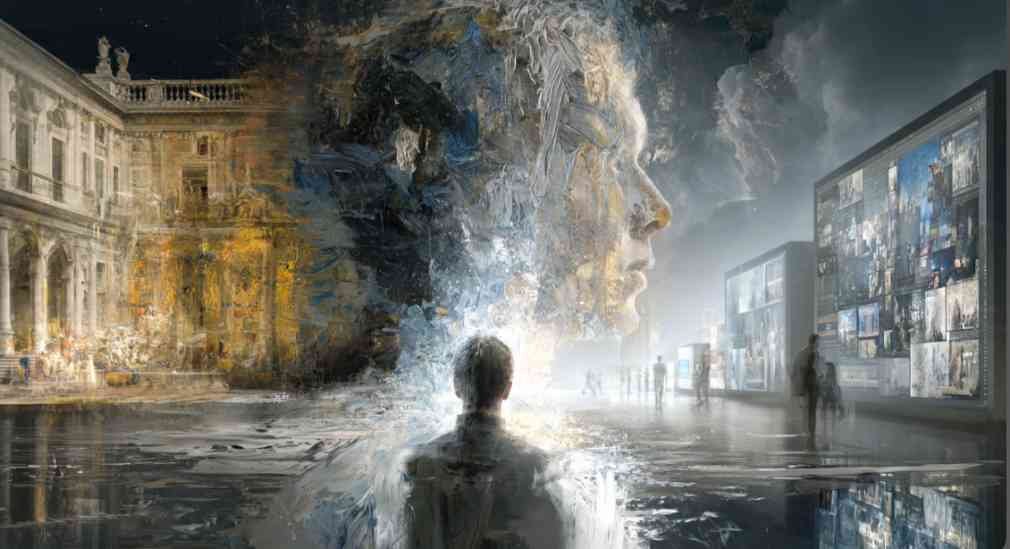
Modern culture now spreads through algorithms, niche communities, economic pressure, AI tools, climate anxiety, and local identity. That is why culture feels more fragmented than before. People are no longer following one shared script. They are building smaller cultural worlds that match their values, interests, and daily struggles.
Why Mainstream Culture Is Breaking Into Micro-Cultures
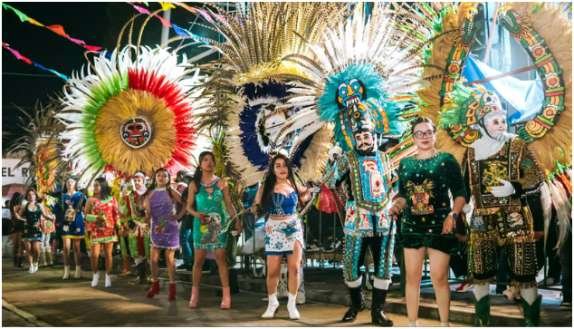
For years, culture had big shared moments. Families watched the same shows. Songs climbed the same charts. Trends moved from celebrities to magazines to stores.
That still happens, but it no longer controls everything. Today, one person’s “mainstream” may be another person’s unknown corner of the internet.
Hyper-Niche Fandoms Are the New Mainstream
People now form identity through very specific interests. Someone may not just say, “I like art.” They may say, “I follow slow-living watercolor artists who paint coastal interiors.”
That level of detail is the new cultural language.
Fandoms around games, book tropes, beauty aesthetics, local foods, old movies, craft styles, and online creators can feel more personal than national entertainment. These groups give people belonging without asking them to fit into a broad mainstream identity.
For US readers, this explains why niche communities are so powerful. A small creator, podcast, newsletter, or local brand can build deep loyalty because people feel personally understood.
AI Is Making Culture More Personal
AI is making personalization feel normal. It shapes playlists, search results, shopping suggestions, writing tools, design choices, and entertainment feeds.
This creates convenience, but it also reduces shared experience. When every person receives a custom version of the internet, culture becomes more private. We may live in the same country, but we may not live in the same media world.
This is one of the most important global culture trends because it changes how people discover ideas. Culture no longer moves in one direction. It moves through personal feeds.
Why People Want More Control Over Their Lives
Many people feel surrounded by unstable systems. Housing feels expensive. Careers feel uncertain. News feels overwhelming. Climate concerns feel heavy. Trust in institutions feels weaker.
So people focus on what they can control.
That is why self-optimization has become a lifestyle. Fitness trackers, sleep scores, budgeting apps, productivity systems, meal plans, habit journals, and wellness routines all reflect the same cultural mood. People want proof that they are improving.
This is not just vanity. It is emotional survival. A completed workout, a cleaner home, a savings goal, or a better sleep score gives people a small sense of order.
This also explains why people trust smaller communities more than polished institutions. A recommendation from a creator, friend, local group, or niche expert can feel more real than a national ad campaign.
The Return of Local Identity in a Global World
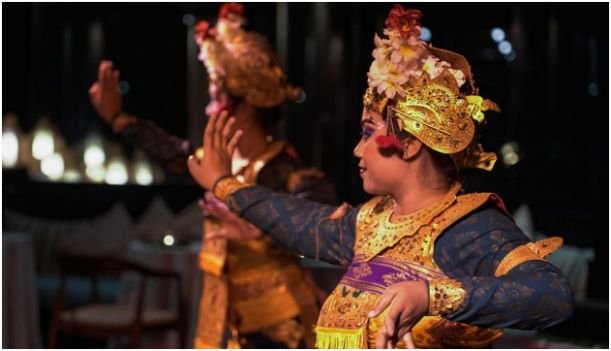
Globalization once made culture feel smooth and standardized. The same coffee shops, hotel styles, fashion looks, and minimalist brand designs appeared everywhere.
Now people want texture again. They want regional food, native languages, neighborhood stories, handmade objects, public art, local festivals, and cultural memory.
Glocalization Is Replacing One-Size-Fits-All Culture
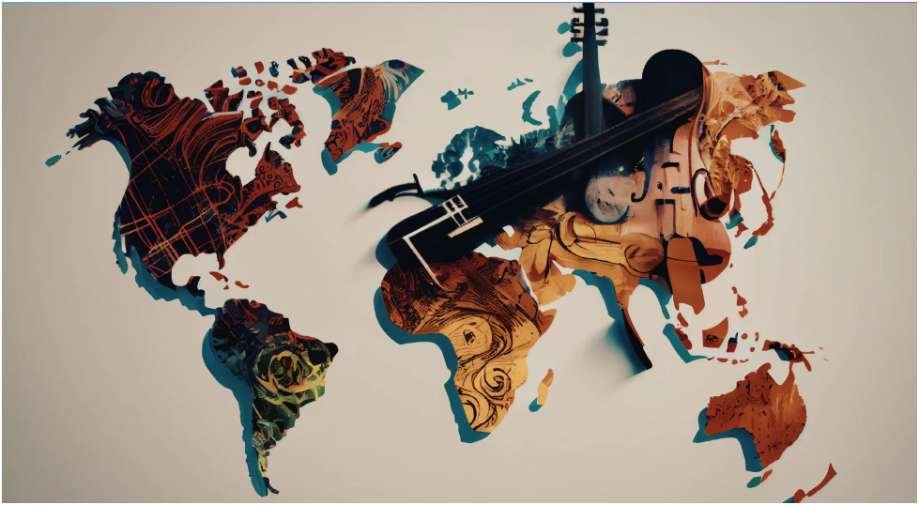
Glocalization means global reach with local meaning. A brand, artist, or creator can reach the world, but the strongest work still feels rooted in place.
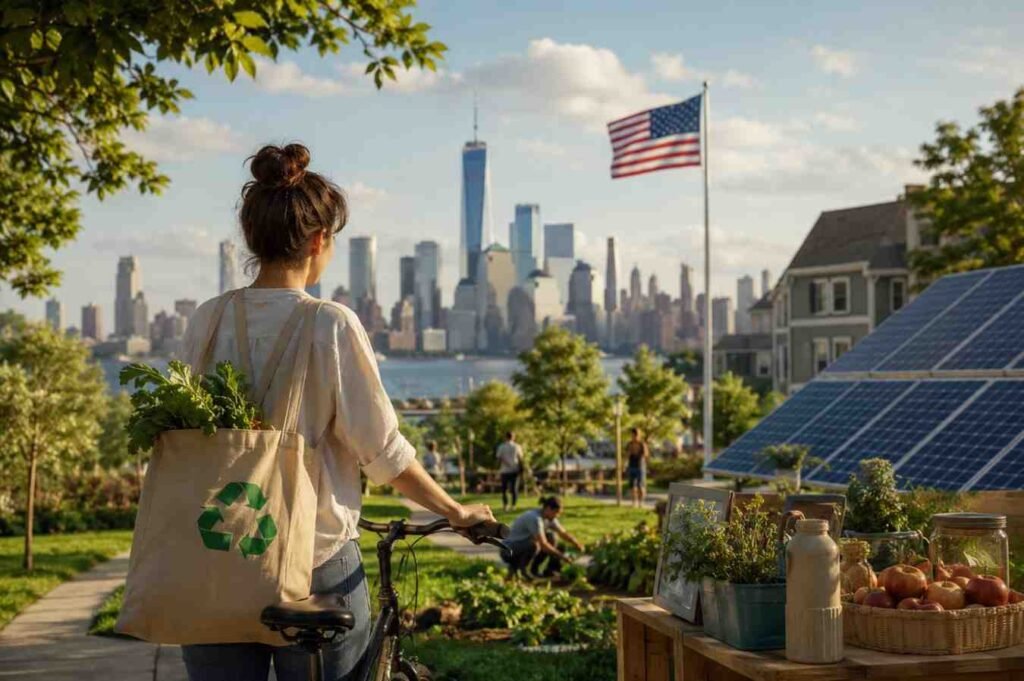
This is why local food videos travel globally. It is why regional crafts sell online. It is why public murals, folk music, traditional textiles, and community events feel fresh again.
People do not want global culture to erase their roots. They want their roots to travel.
Local Art and Heritage Matter More
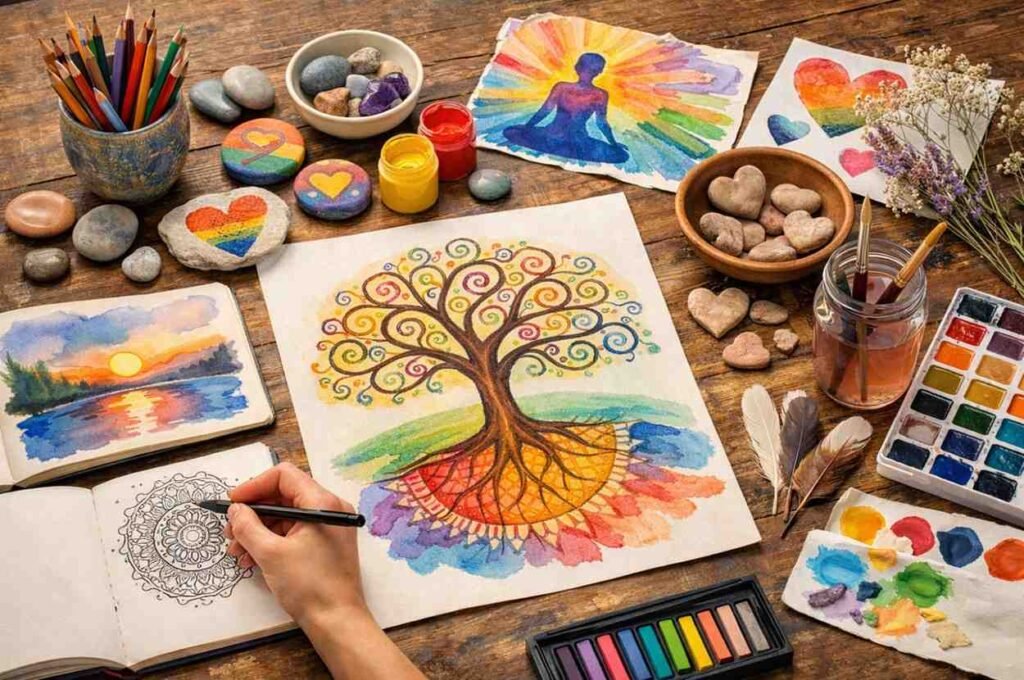
If you want to understand the relationship between art and culture, look at murals, music, clothing, architecture, dance, and handmade crafts.
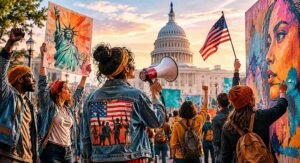
Art carries what data cannot. It shows grief, pride, protest, humor, migration, faith, family, and resistance. As life becomes more digital, local art helps people stay grounded.
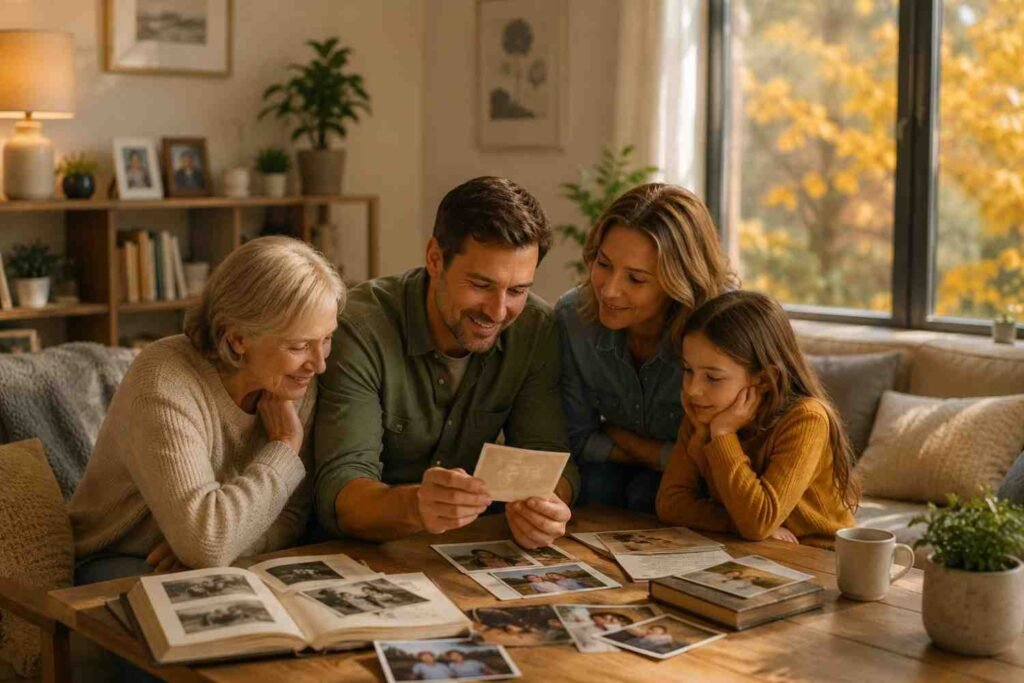
This is why cultural preservation matters. People do not want every city, store, and social feed to feel identical. They want proof that their stories still matter.
Why Offline Connection Is Becoming Valuable Again
Digital life keeps people connected, but it does not always make them feel close. Loneliness has become one of the strongest cultural forces of our time.
That is why offline connection is becoming valuable again. People are paying for social clubs, run clubs, pottery classes, fitness communities, singles events, coworking spaces, retreats, book clubs, and local meetups.
The deeper trend is simple: real human connection has become a premium experience.
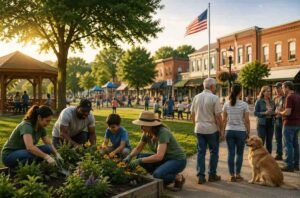
For US audiences, this shows up in pickleball leagues, neighborhood markets, supper clubs, creator meetups, art workshops, and wellness events. People want low-pressure ways to be around others without the awkwardness of forced networking.
How Workplace Culture Reflects Bigger Social Change

Work is no longer separate from identity and well-being. Employees want more than a paycheck. They want flexibility, transparency, recognition, mental health support, and meaningful communication.
Younger workers especially expect leaders to understand real life. They do not respond well to empty slogans or top-down motivation. They want honest systems, inclusive teams, and peer recognition.
This workplace shift reflects a bigger cultural truth. People are questioning anything that drains their health, time, identity, and hope.
What These Global Culture Trends Mean for Creators and Brands
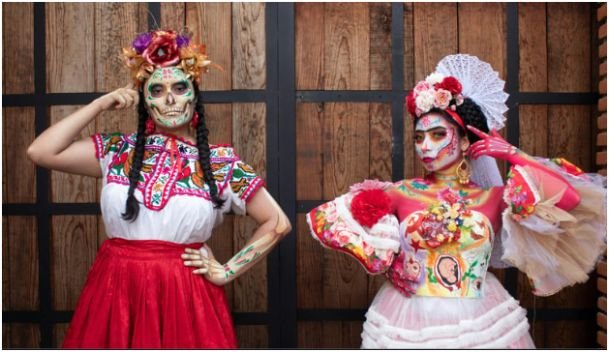
The smartest response to global culture trends is not to chase every viral moment. That often creates shallow content and forgettable branding.
A stronger approach is to understand what people are really asking for beneath the trend.
They want identity without isolation. They want personalization without losing shared meaning. They want global access without cultural erasure. They want useful technology without total dependence. They want brands to stand for something, but they also want proof.
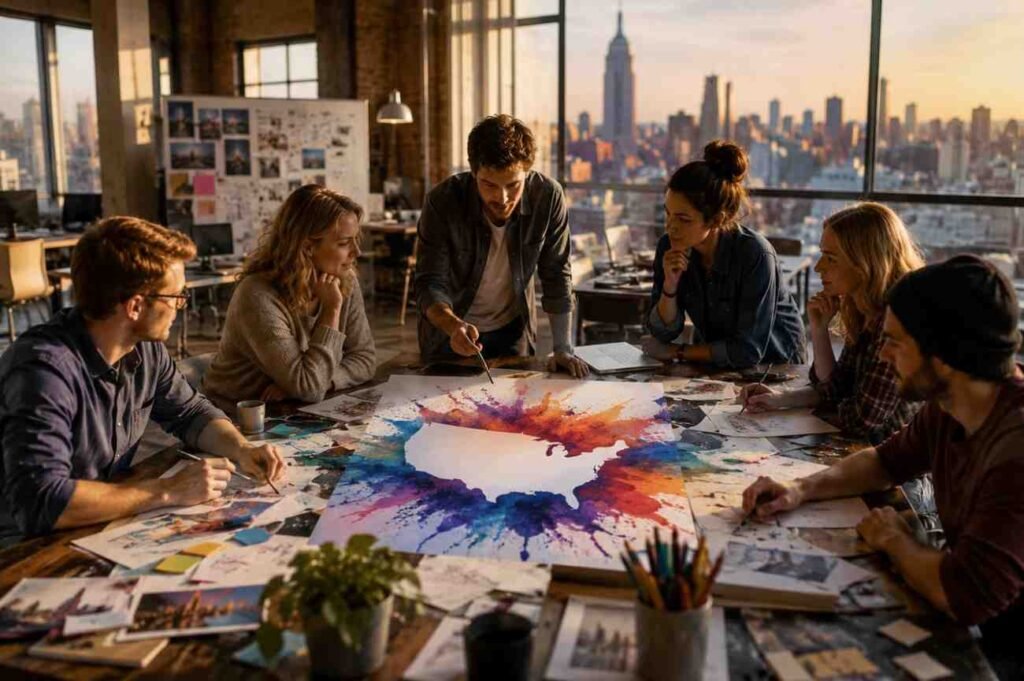
For creators, narrow beats broad. A specific audience often builds stronger loyalty than a vague mass audience.
For brands, local relevance matters. A national message should still feel personal, regional, and culturally aware.
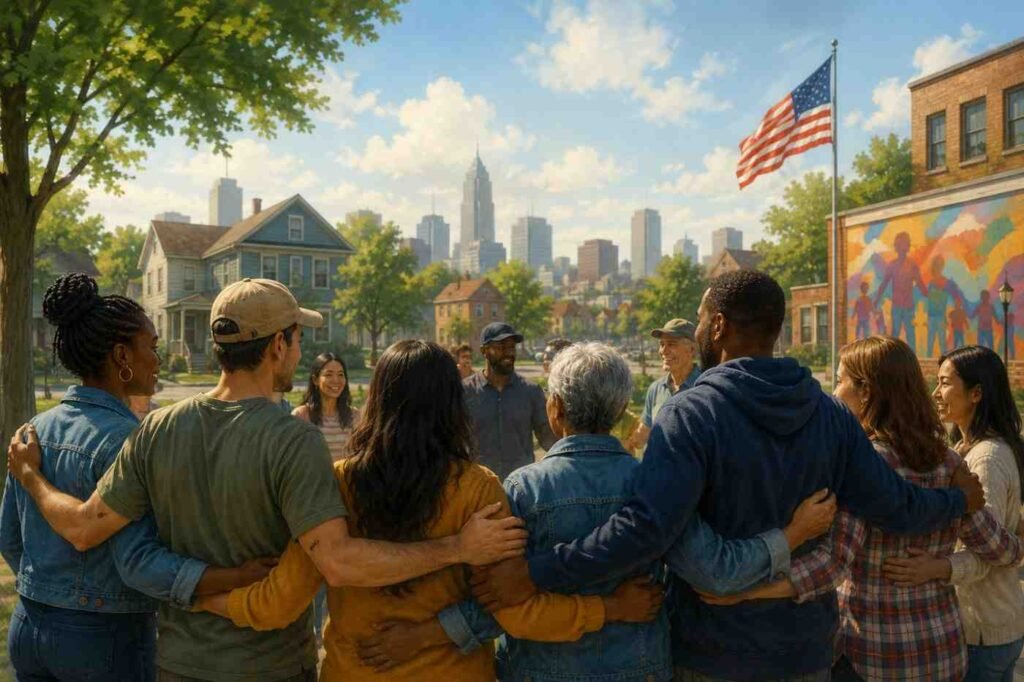
For communities, the opportunity is even bigger. The more digital life becomes, the more people value real places, real faces, and real rituals.
FAQs About Global Culture Trends
1. What are the biggest global culture trends right now?
The biggest global culture trends include AI personalization, niche fandoms, self-optimization, local identity, offline connection, sustainability, and changing workplace expectations.
2. Why are global culture trends becoming more personalized?
Culture is becoming more personalized because algorithms, AI tools, creator platforms, and niche communities now shape what people see, buy, watch, and believe.
3. How does AI affect global culture?
AI affects global culture by changing how people create, search, shop, learn, and entertain themselves. It makes daily life more tailored, but it also raises questions about originality and control.
The Culture Plot Twist
The future does not look like one giant global culture where everyone watches, buys, and believes the same things. It looks more personal, local, emotional, and fragmented.
That may sound messy, but it also creates opportunity. If you want to understand culture now, stop looking only at what is viral. Look at what people protect, gather around, repeat, and refuse to let disappear.
That is where the next wave of global culture trends will begin.